.png)


If you are searching for companies that build ADUs from foundation to keys in hand in Menlo Park, you are likely looking for more than a contractor. Most homeowners want a team that handles every stage of the project without forcing them to coordinate architects, engineers, and trades themselves.
A true turnkey ADU Menlo Park project means one accountable team manages feasibility, design, permitting, construction, and the final handoff. That is exactly the design build approach used by Acton ADU, a Bay Area specialist that has spent more than 35 years delivering site built backyard homes.
This guide explains what a foundation to keys in hand ADU actually involves in Menlo Park, why full service expertise matters in this city, and how a focused ADU builder can simplify the process from the first site check to move-in day.
Let’s define what “foundation to keys in hand” really means in Menlo Park
The phrase “foundation to keys in hand ADU” is often used in marketing, but it has a very specific meaning when it comes to real construction projects.
A genuine turnkey service means a single team is responsible for the entire project lifecycle, including:
- Property feasibility and zoning review
- Architectural design and layout planning
- Engineering and structural documentation
- City permitting and plan approvals
- Construction management and inspections
- Final walkthrough and move in readiness
In Menlo Park, this integrated process is particularly important because ADU projects must comply with local planning rules as well as California statewide ADU legislation.
Homeowners should expect a builder to account for local requirements such as:
- Setback requirements from property lines
- Height limits and placement on the lot
- Parking regulations depending on property location
- Utility tie ins such as sewer, water, and electrical capacity
These factors must be addressed early in the design stage. If they are not, a project can easily stall during plan review or require costly redesigns.
A full service ADU design build team coordinates these details from day one. Instead of the homeowner acting as their own project manager, the builder organizes architects, engineers, trades, inspectors, and city reviewers so the project moves forward smoothly.
That is the real meaning of turnkey. It is not simply construction. It is a fully managed project from concept to completion.
Here’s why a full service ADU team matters more in Menlo Park
Menlo Park is one of the most desirable communities on the Peninsula, but it also presents unique challenges for backyard construction.
Many properties in the city were built decades ago, which means ADU projects often involve tight lots, mature landscaping, and older infrastructure.
Common site conditions include:
- Narrow side yards that limit construction access
- Existing detached garages that may need conversion or replacement
- Heritage trees that influence placement of new structures
- Older sewer and electrical systems that may require upgrades
Each of these factors affects the design and feasibility of an ADU.
In addition, homeowners must navigate multiple departments during the approval process, including planning, building, utilities, and sometimes environmental review.
An experienced Menlo Park ADU builder understands how these layers interact. They know how to prepare permit packages that anticipate city questions and how to structure designs that comply with local rules without sacrificing livability.
Acton ADU brings more than 35 years of Bay Area residential experience to this process. That history helps the team anticipate common surprises such as:
- Soil conditions that affect foundation design
- Sewer depth that influences plumbing connections
- Electrical panel capacity and utility upgrades
By identifying these issues early, a specialized ADU builder prevents delays and budget surprises later in the project.
For homeowners, that expertise translates into something very valuable: predictability.
How does Acton ADU handle every step for Menlo Park projects?
Acton ADU is a Bay Area specialist focused exclusively on accessory dwelling units and residential additions. Unlike modular or prefab providers, Acton builds site built ADUs that meet California residential building standards and integrate naturally with the main home.
The company manages every stage of the project with a unified team.
The process follows three core phases that guide homeowners from idea to move in.
Feasibility
The first step is determining what is possible on the property. Acton ADU evaluates zoning rules, lot dimensions, setbacks, and utility access to confirm the property qualifies for an ADU.
Homeowners receive clear options showing what size and type of backyard home can realistically be built.
Pre Construction
Once the project direction is confirmed, the team prepares full architectural and engineering documentation. Permits are submitted and tracked with the city while homeowners finalize finishes and design details.
Build and Warranty
Construction begins with site preparation and foundation work, followed by framing, mechanical systems, and interior finishing. Inspections and quality checks are coordinated throughout the build. Once complete, homeowners receive the keys along with warranty coverage for long term peace of mind.
This integrated design build model means homeowners have one partner responsible for the entire project rather than managing separate consultants and contractors.
The result is a smoother experience and a higher level of accountability.
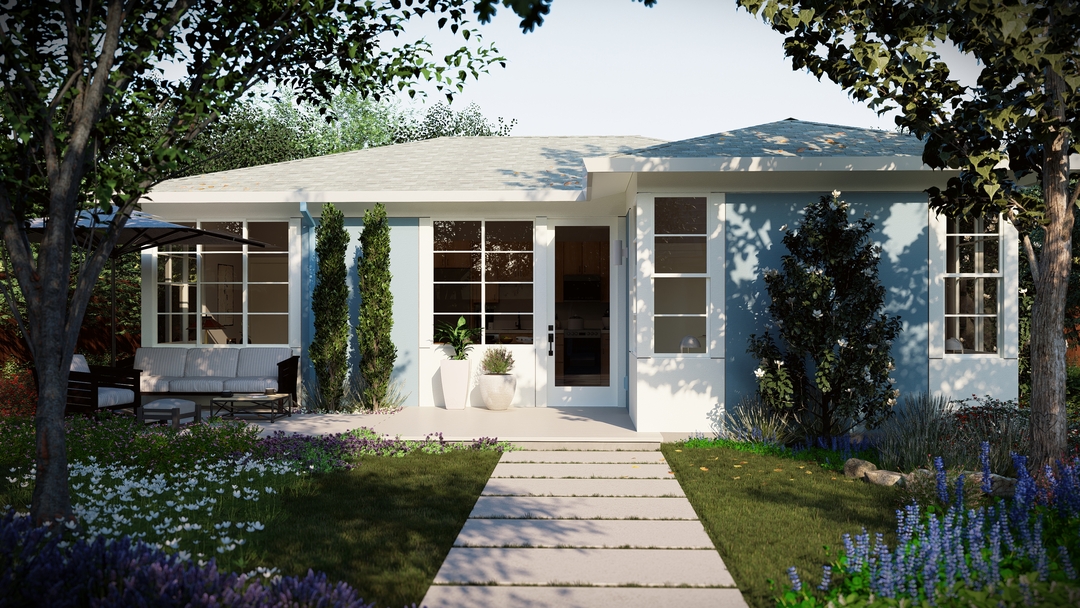
What are the key stages from ADU foundation to keys in hand?
Understanding the steps involved helps homeowners see how a fully managed ADU project unfolds.
From foundation to keys in hand
Feasibility stage
The feasibility phase answers the most important question first. Can an ADU be built on this property and what should it look like?
During this stage Acton ADU reviews local zoning requirements, analyzes the lot layout, and confirms utility access. The team may conduct site visits and create conceptual layouts that show potential ADU placements.
Homeowners receive practical recommendations that balance city requirements with design goals such as privacy, natural light, and efficient use of space.
Pre construction stage
Once the direction is confirmed, the project moves into detailed planning.
This stage typically includes:
- Architectural drawings and floor plan development
- Structural engineering and energy compliance documentation
- Interior finish selections and fixture planning
- Permit application preparation and submission
Homeowners can choose between custom layouts or curated models from the Build Ready ADU collection, which provides professionally designed floor plans optimized for efficiency and livability.
Those exploring a fully personalized design can also work through Acton’s Custom ADUs program, which tailors the architecture to the unique characteristics of the property.
Permitting is often the longest phase of the process. Acton ADU coordinates plan revisions, communicates with city reviewers, and tracks approvals until construction can begin.
Build and warranty stage
Once permits are approved, the construction phase begins.
Typical milestones include:
- Site preparation and excavation
- Foundation installation
- Framing and structural work
- Plumbing, electrical, and HVAC systems
- Interior finishing and exterior detailing
Throughout construction, inspections are scheduled with the city and quality control checks are performed to ensure the project meets California building standards.
Acton ADU manages subcontractors and keeps homeowners informed through a project communication system that provides updates at each stage.
When construction is complete, the project moves into the final walkthrough and handoff.
“For an ADU, the way to go is with Acton ADU as they design build the project and work through all the permit hurdles. There are just too many details to manage without an experienced team.”
At this point the homeowner receives the keys to a finished backyard home along with warranty support that protects the investment for years to come.
Here’s how Acton ADU compares to a generic contractor
Not all builders approach ADU projects the same way. Many general contractors focus primarily on construction and expect the homeowner to manage planning and design separately.
This difference can significantly affect the experience and outcome of the project.
When evaluating builders, it is also important to understand how familiar they are with local regulations. For example, homeowners should always see Menlo Park ADU regulations before finalizing a design so that setbacks, height limits, and placement rules are clearly understood.
A specialized ADU builder incorporates these requirements into the design from the start, which reduces redesigns and change orders later in the project.
Acton ADU also offers Build Ready models that streamline the process even further. These pre designed layouts have already been optimized for efficiency, comfort, and permitting success across Bay Area cities.
The result is a smoother project with fewer surprises.
What should you ask any Menlo Park ADU builder before you sign
Choosing the right contractor is one of the most important decisions in an ADU project. Asking the right questions helps homeowners compare builders and identify who truly offers a full service experience.
Below is a checklist you can use when evaluating any Menlo Park ADU builder.
Key questions to ask
1. How many ADU projects have you completed in Menlo Park or nearby Peninsula cities?
Local experience reduces permitting risks and improves project planning.
2. Who handles the architectural design and engineering?
A true design build company coordinates these services internally.
3. Do you manage the permit process with the city?
Some contractors expect homeowners to submit permits themselves.
4. How are change orders handled during construction?
Clear policies prevent unexpected cost increases.
5. What type of ADUs do you build?
Ask whether the company specializes in site built homes, modular units, or both.
6. What is included in the construction warranty?
Reliable builders stand behind their work after the project is complete.
7. How do you communicate project progress?
Regular updates and transparent scheduling help homeowners stay informed.
8. Can you show completed ADU projects and client references?
Real examples demonstrate experience and quality.
Red flags may include vague timelines, unclear permitting responsibilities, or builders who expect homeowners to coordinate multiple consultants.
When speaking with Acton ADU, homeowners can ask these same questions and review local project examples to understand how the process works in practice.
Next steps if you want a turnkey ADU in Menlo Park
If you are exploring companies that build ADUs from foundation to keys in hand in Menlo Park, the most useful first step is determining what is possible on your property.
Acton ADU specializes in site built ADUs across the Bay Area, delivering fully managed projects that move from feasibility through construction and final move in.
Homeowners typically start by reviewing:
- The Service Area pages for Peninsula cities
- Local ADU regulations and planning considerations
- The curated Build Ready ADU model collection
From there, the easiest way to begin is to check whether your property qualifies for an ADU and explore potential layouts.
Once feasibility is confirmed, the Acton ADU team can walk you through design options, timelines, and next steps for creating a backyard home that adds long term value and flexibility to your property.
With the right team managing every stage, building an ADU in Menlo Park can be far simpler than many homeowners expect.