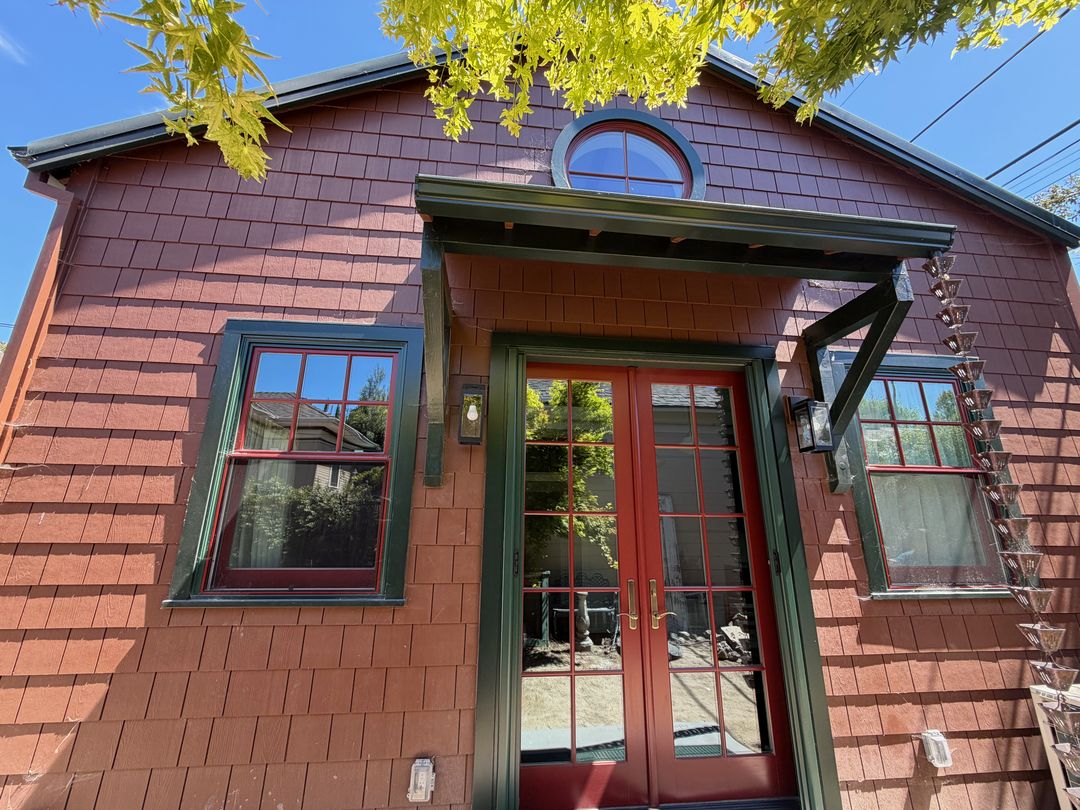
Los Angeles homeowners have more ADU options than ever. There are prefab units, stock plans, low-cost builders, premium design-build firms, and almost every variation in between.
That makes price comparison tempting. Two proposals may both describe a two-bedroom ADU of roughly the same size, yet the numbers can be dramatically different. Square footage alone does not explain what you are buying.
A high-quality ADU should improve the property financially, function better for the people living there, and continue performing years after construction is finished. That combination is where much of the real value lives.
Two ADUs With the Same Square Footage Can Be Very Different Assets
Think about two 1,500-square-foot houses in the same Los Angeles neighborhood. Few homeowners would assume they should have exactly the same value simply because their dimensions match.
One might have an excellent floor plan, strong natural light, thoughtful architecture, durable materials, and workmanship that has held up beautifully. Another might have awkward rooms, inexpensive finishes, deferred maintenance, and little architectural appeal.
ADUs work the same way.
Acton’s value proposition puts this distinction plainly: two 500-square-foot ADUs are not automatically worth the same. Design, quality, craftsmanship, and how well the home serves its occupants all influence how the finished product performs.
A high-quality Los Angeles ADU should therefore be evaluated as a home and an asset, rather than as a cost-per-square-foot exercise.
Quality Starts With How the Home Feels to Live In
Some of the most valuable design decisions are surprisingly ordinary.
Can you place a sofa without blocking a doorway? Is there somewhere to store a vacuum cleaner? Does the bedroom accommodate a real bed and nightstands? Can two people prepare food in the kitchen comfortably? Does the bathroom feel cramped? Where does someone put luggage, linens, coats, or pantry items?
A floor plan can photograph beautifully and still become frustrating within weeks of move-in.
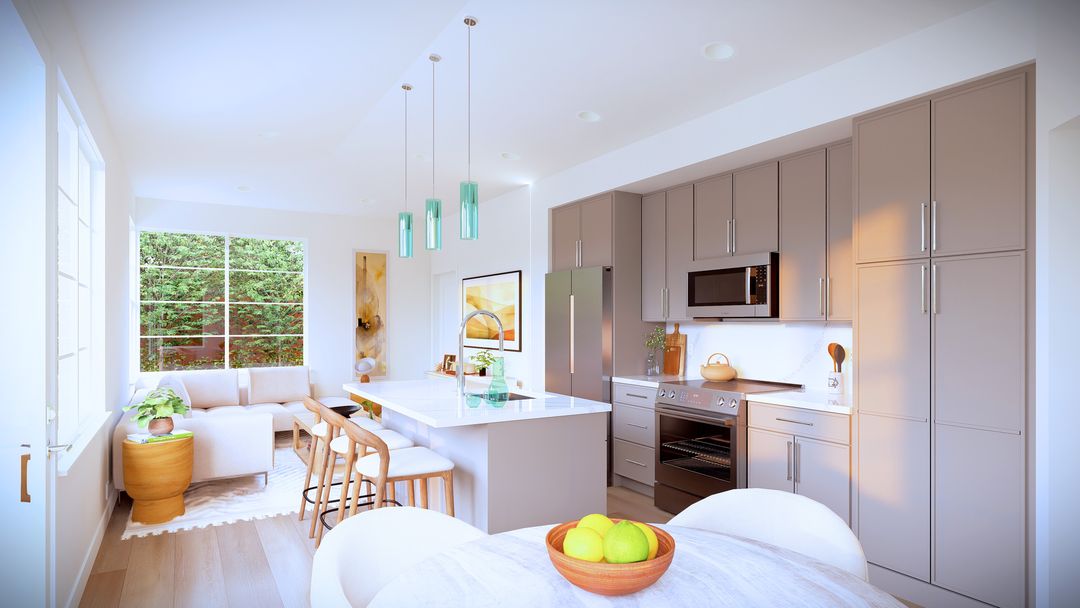
High-quality ADU design pays close attention to these everyday details. Smaller homes have less room for mistakes, so circulation, storage, window placement, furniture layouts, and room proportions need to work especially hard.
Natural light matters too. A well-positioned window can make a compact room feel generous, while poor placement can leave the occupant choosing between daylight and privacy.
These decisions may not add square footage, but they can dramatically improve the value of every square foot that is built.
The Parts You Cannot See May Matter Most
Once an ADU is furnished and landscaped, much of its construction disappears from view.
The foundation is covered. Waterproofing sits behind finished surfaces. Insulation is sealed inside walls. Mechanical, electrical, and plumbing systems quietly do their jobs.
Their quality becomes obvious only when something goes wrong.
A premium finish package cannot compensate for poor waterproofing, uncomfortable temperatures, noisy rooms, unreliable systems, or materials that begin deteriorating much sooner than expected.
This is one reason Acton’s brand promise emphasizes homes designed and built for the next 30 years rather than the next 30 days.
Long-term quality includes details such as:
- Foundations suited to the property
- Proper drainage and waterproofing
- Effective insulation
- Reliable heating and cooling
- Quality windows and doors
- Durable exterior materials
- Thoughtful sound control
- Well-installed plumbing and electrical systems
- Finishes selected for real use rather than appearance alone
A high-quality ADU should still feel like a good decision after years of daily use.
Better Quality Can Support Better Rental Performance
For homeowners planning to rent the ADU, monthly income often becomes the easiest number to focus on.
The quality of the home can influence that income.
A bright, private, attractive ADU with comfortable rooms and good storage may appeal to a different renter than a unit designed primarily around minimizing construction cost. Quality can also influence how long tenants stay and how well the property competes when other rentals become available.
That difference compounds over time.
Higher rent is one potential benefit. Lower turnover, fewer maintenance issues, and the ability to attract tenants who are looking for a genuine long-term home can matter too.
Acton frames rental income as one part of a wider financial picture that also includes equity and long-term wealth creation.
For a homeowner building an asset expected to remain on the property for decades, that wider view matters.
A High-Quality ADU Can Strengthen the Main Property
The ADU does not exist in isolation.
Its architecture, location, landscaping, access, and relationship with the main house influence how the entire property feels. A poorly conceived addition can create awkward views, sacrifice privacy, or make the backyard feel crowded.
A thoughtful one can make the property feel more complete.
In Los Angeles, where residential architecture varies enormously from neighborhood to neighborhood, quality may mean different things from one property to the next. A contemporary home may call for a clean, modern ADU. A Spanish-style residence may benefit from compatible proportions, roof forms, and materials. Another property may support a complementary design rather than a close match.
The goal is architectural intention.
Future buyers should be able to see the ADU as a meaningful part of the property rather than a structure that happened to fit in the available space.
There Is Value in Getting the Project Right the First Time
Construction itself carries financial risk.
Unexpected utility work, difficult access, foundation requirements, grading, electrical upgrades, and other site conditions can change a project budget quickly when they are discovered late.
A cheaper initial proposal can therefore become less meaningful if important property conditions were never properly evaluated.
Acton’s process begins with understanding the site because the property can influence project cost as much as the ADU itself. The objective is to identify those realities early, translate them into the budget, and make design decisions with better information.
That kind of certainty has value.
It allows homeowners to compare decisions based on a more realistic picture of the project, rather than discovering major constraints after they have already committed emotionally and financially to a particular plan.
High Quality Creates More Ways to Use the Home
An ADU built well enough for permanent living naturally becomes more flexible.
It might begin as a rental and later become a home for a parent. It could house an adult child, provide longer-term accommodations for relatives, become a workspace for a period of time, or eventually serve as a downsizing home for the property owners.
The home does not need to predict every future scenario. It needs enough quality and versatility to remain desirable when the scenario changes.
A comfortable kitchen, sensible storage, privacy, durable materials, good light, and strong construction serve almost every future occupant. These are simple characteristics, but together they create optionality.
That optionality is valuable because homeowners rarely know exactly what their family or financial situation will look like fifteen years from now.
Look at the Return Over Decades
The lowest construction price and the strongest long-term value are not necessarily found in the same project.
When evaluating an ADU, it helps to look beyond the initial contract price and consider the full ownership period.
Ask what the home may contribute through:
The strongest investment may be the ADU that performs well across several of these categories rather than maximizing only one.
Build the ADU You Will Still Value Years From Now
A high-quality Los Angeles ADU should earn its value repeatedly.
It should feel good to live in. It should hold up. It should strengthen the property rather than compromise it. If rented, it should be a home people want to stay in. If family needs change, it should be capable of taking on a new role.
Acton ADU builds around that long-term view.
We invest time upfront in understanding the property, identifying the factors that affect cost, and designing around how the home will actually be used. Our focus is certainty throughout the process, quality in the finished product, and a home built to perform for decades.
Because when you are adding a permanent home to a Los Angeles property, the important question is not simply what it costs to build.
It is what that home will be worth to you ten, twenty, and thirty years from now.