.png)


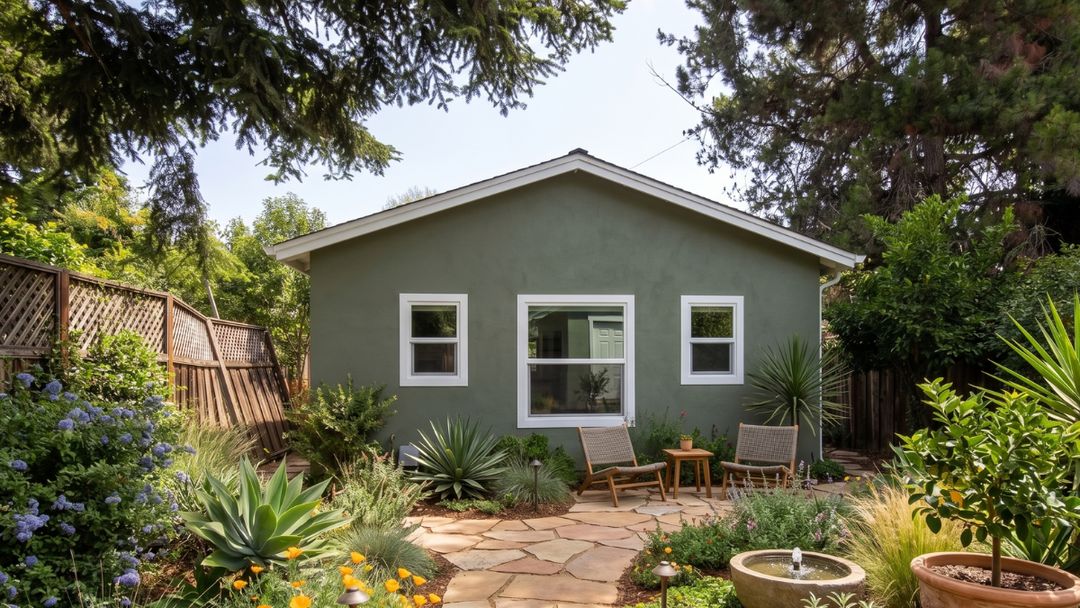
When parents begin talking about moving closer to adult children, the benefits of proximity are usually easy to see. Help is easier to reach, family dinners can happen more often, grandchildren get more time with grandparents, and there is less worry about someone managing a house alone from miles away. At the same time, many parents have spent decades running their own households and have no desire to give up the routines, privacy, and autonomy that come with having a home of their own.
A Los Altos Hills ADU can make both possible. Parents can live close enough for family support while maintaining their own kitchen, front door, schedule, visitors, and personal space. Getting that balance right depends on involving them in the design process and paying attention to the details of how they already live.
Ask Your Parents What Makes a Home Feel Like Theirs
Adult children often approach an ADU project thinking about future safety, mobility, doctor appointments, and how much help a parent may eventually need. Those concerns belong in the conversation, but they should not crowd out the preferences of the person who will actually live in the home.
Your parents may care deeply about having enough kitchen counter space, keeping a favorite dining table, waking up to morning light, gardening, hosting friends, or bringing along furniture and belongings that have been part of their home for decades. Understanding those routines can lead to a much better design than starting with assumptions about what an older adult should need.
Before settling on a layout, talk through an ordinary week. Ask where they like to eat, whether they cook every day, how often people visit, which furniture they hope to keep, how much storage they use, and where they tend to spend their time at home. Those details give the design team something much more useful than a generic brief for an aging parent ADU. They help create a home that actually feels like theirs.
Independence Begins With Everyday Choices
Privacy is often discussed in terms of distance between the ADU and the main house, but independence depends on many smaller decisions as well. A parent who can come and go without crossing the family patio, receive deliveries at their own door, prepare dinner in a full kitchen, and invite a friend over comfortably will experience the ADU very differently from someone who still has to rely on the main house for ordinary activities.
A few details can make a significant difference:
- A separate entrance with a clear path from parking
- A kitchen designed for everyday cooking
- Enough storage for long term living
- A private outdoor area
- Laundry access within the ADU
- Windows positioned for light and privacy
- Space to host a friend or family member comfortably
These features help the ADU function as a true home. They also make it easier for parents and adult children to spend time together because neither household has to be involved in every part of the other’s day.
Give Them a Place to Welcome You
One of the nicest shifts that can happen after a parent moves into an ADU is that the relationship becomes more reciprocal.
Instead of always coming into the main house for dinner, a parent may invite the family over to their place. Grandchildren can stop by for a snack. A friend can visit for coffee. Holidays and birthdays can move between the two homes rather than always happening under one roof.
That possibility should influence the layout. A small dining area, comfortable seating, enough kitchen counter space, and a pleasant outdoor connection can give parents room to continue hosting in the way they are accustomed to.
For many people, being able to welcome others into their own home is closely tied to independence. It keeps the ADU from feeling like an annex to the main residence.
Outdoor Space Can Help the ADU Feel Complete
Los Altos Hills properties often offer opportunities to create meaningful outdoor space around an ADU, and that space can be especially important for parents moving from a larger home.
A small patio can become part of the daily routine. A garden bed may let someone continue a hobby they have enjoyed for years. A shaded sitting area can create a comfortable place to read, have coffee, or spend time with grandchildren.
The relationship between the two homes matters here too. Parents may enjoy having an easy path to the main residence, while still appreciating an outdoor area that clearly belongs to them.
The goal is to make closeness convenient without making it compulsory.
Plan for Aging Without Designing a Home That Feels Clinical
Future mobility deserves consideration, but an ADU for parents should still feel warm, attractive, and personal.
Many accessibility features can be incorporated quietly into the design. A low threshold at the entrance can make the home easier to enter with groceries today and easier to navigate with a walker years from now. Wider circulation can make rooms feel more comfortable. A curbless shower can look clean and contemporary while reducing a common fall hazard.
Thoughtful planning might include:
- Minimal level changes
- Comfortable clearances around the bed
- Good lighting along pathways and inside the home
- Easy to operate doors and windows
- Bathroom walls that can accommodate future support bars
- Storage that does not require excessive reaching or bending
- Flooring chosen for stability and easy maintenance
These decisions preserve options without forcing the home to feel designed around a future limitation that may never arise.
Keep Familiar Routines in Mind
Moving from a long-time family home into a smaller ADU can be a major emotional adjustment, even when the move is welcome.
The new home may have fewer rooms and less storage, but it should still support the routines that make everyday life familiar. If your mother makes coffee in the same corner of the kitchen every morning, think about how the new kitchen will work for her. If your father spends hours reading beside a window, give that activity a good place in the new home.
Furniture deserves attention too. Parents may have a dining table, armchair, artwork, piano, or family heirloom they are unwilling to leave behind. Designing around a few meaningful possessions can make a new ADU feel settled much sooner.
This kind of planning is easy to overlook when everyone is focused on square footage and construction. It can have an enormous effect on whether the parent experiences the move as a loss of independence or the beginning of a more comfortable phase of life.
Privacy Includes Sound and Routine
Visual separation is only part of privacy. Sound and household schedules can matter just as much when two generations live close together.
Parents may go to bed earlier. Grandchildren may be outside playing on weekend mornings. Someone in the ADU may watch television late at night or have friends over while the main household is quiet.
Room orientation can reduce potential friction. Bedrooms can face away from active outdoor areas, mechanical equipment can be positioned thoughtfully, and good insulation can help both homes feel more independent.
The same principle applies to everyday movement. If the only route to the ADU passes directly through the main family’s entertaining space, both households may eventually feel watched. A separate approach gives everyone more freedom to keep their own schedule.
Think About the Next Ten Years, Not the Next Ten Months
The ADU should work well for your parents when they move in, but their needs may change gradually.
One parent may stop driving. A spouse may eventually need more assistance. A caregiver could become part of the household. Grandchildren may grow old enough to visit independently. The parents may remain active and healthy much longer than anyone expected.
A strong design gives the family room to adjust without requiring major renovation every time circumstances change.
This is part of what Acton calls Family Integrity Planning. Families can prepare their property to support different generations before a housing or caregiving decision becomes urgent. The ADU becomes a long term resource that helps people remain close while maintaining their own home and routines.
Family Integrity Planning Gives the ADU a Bigger Purpose
The concept of Family Integrity Planning grew out of a challenge many California families are already facing. Aging parents may need more support, adult children may struggle to stay in the communities where they grew up, and families often find themselves making major housing decisions only after circumstances have become urgent. Acton sees ADUs as a way to prepare for those changes earlier, using the property a family already owns to create more choices for the people they care about.
For parents who value independence, that planning can be especially meaningful. An ADU gives them a home of their own while making everyday family support much easier. They can remain involved with children and grandchildren, maintain familiar routines, and receive more help as their needs change without immediately giving up control over their living environment.
The value can continue long after the original move. The same home may eventually accommodate a caregiver, another relative, an adult child, or even the property owners themselves at a different stage of life. Building with those possibilities in mind gives the family more flexibility to respond to change while keeping generations connected.
For a Los Altos Hills family, that can turn an ADU into part of a much longer housing plan. The decisions made today can help parents live more independently now while giving the entire family more options for the years ahead.
Let Your Parents Have a Real Say
One of the simplest ways to protect independence is to make sure parents are genuine participants in the project.
If they will be living in the ADU, they should have a voice in the floor plan, kitchen, storage, lighting, finishes, and outdoor space. They may prioritize things their adult children would never think to ask for, and those preferences are often the difference between a home that merely works and one they genuinely enjoy.
The process can also make the move feel more positive. Choosing finishes, discussing furniture placement, and seeing the home take shape gives parents ownership over the transition rather than making them feel as though a housing decision has been made for them.
Build a Home They Will Be Proud to Call Their Own
Acton ADU approaches homes for parents with the same care we bring to every permanent residence. We begin by understanding the property, the people who will live there, and the routines the home needs to support. From there, we develop a design that balances independence, comfort, accessibility, privacy, and long term value.
For Los Altos Hills families, the goal is a home that allows parents to stay closely connected to the people they love while continuing to live on their own terms.
That may mean walking over for dinner several nights a week, helping with grandchildren, sharing holidays, or simply knowing family is nearby when needed. At the end of the evening, they can return to a front door, kitchen, living room, and quiet space that belong entirely to them.
That is the kind of closeness an ADU can make possible when independence is part of the plan from the beginning.