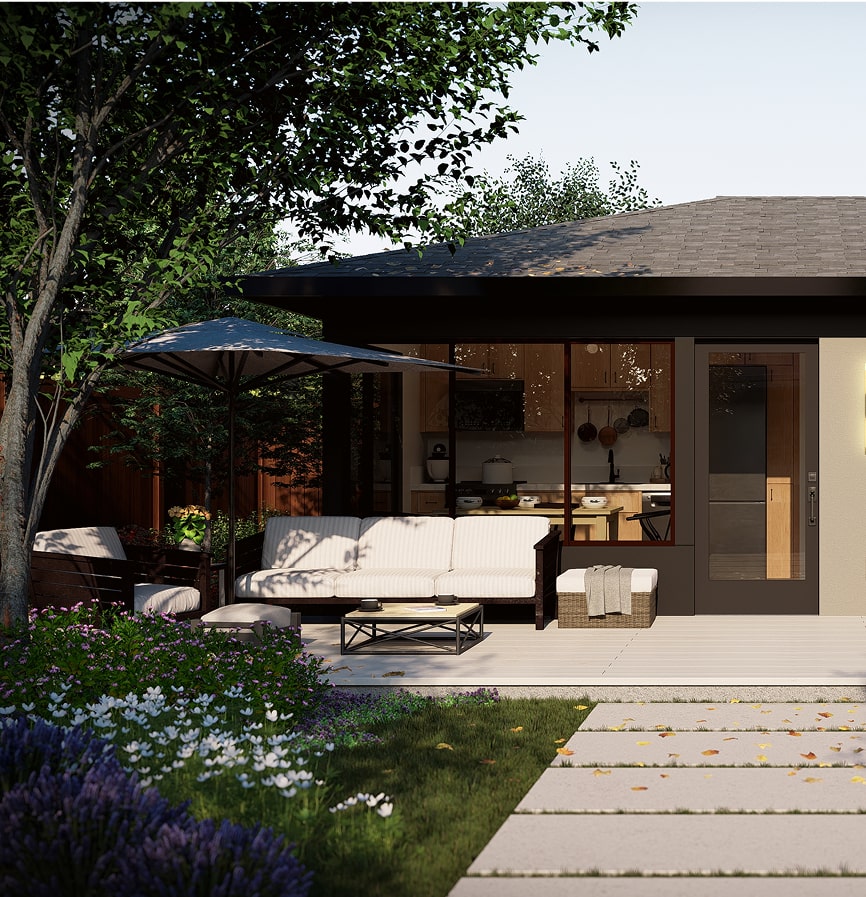
Palo Alto Guest House Rules: How Silicon Valley Homeowners Can Build a Legal Backyard Cottage
Palo Alto guest house rules treat a legal backyard cottage as an Accessory Dwelling Unit (ADU), and most lots can qualify. Three things decide it: your lot's setbacks and size limits, your utility connections, and whether the plans meet Title 24 energy rules. California law gives homeowners strong rights, but the details vary by property.

Why does a legal backyard cottage matter for your family?
Most Palo Alto homeowners we talk with are thinking about people first. It might be an aging parent who needs to stay close, an adult child who needs a landing spot, or a home that can serve a different purpose in fifteen years. A legal ADU can do all of that, and it can also serve as a rental later.
That is the idea behind Family Integrity Planning: deciding who the space serves now and who it may serve later. An unpermitted guest house cannot do that job well. It can create problems with insurance, financing, and resale, so building it legally comes first.
Below, we cover the zoning rules, how to move faster, how Title 24 energy compliance works, and what to expect from inspections. All city rules below are as of January 2026, and you should verify them with the City of Palo Alto Development Services before you design anything.
What are the zoning rules for building a guest house in Palo Alto?
A guest house with a kitchen and bathroom that someone can live in is legally an ADU. A guest house without a kitchen is treated differently and is usually limited to occasional guest use. If you want a space that works for family, long stays, or renters, plan it as an ADU from day one.
Here is the quick vocabulary:
What are the main size, setback, and height numbers?
State law sets a floor that cities must honor. Palo Alto may allow more in some cases, so confirm your exact limits with the city. As of January 2026, these are the numbers we plan around:
Height can be higher in some situations, such as lots near transit, but do not assume it. Impact fees are generally waived for smaller ADUs under state law, but verify the current fee schedule with the city.
Those numbers are only the starting point. Palo Alto also has protected trees, flood zones, historic districts, and hillside areas that can change what is possible. A lot that looks wide open on a map may have a heritage oak in the exact spot you want.
How can I add a guest house to my property in Palo Alto?
Start with the site, not the floor plan. The same ADU can price very differently on two properties because of access, utilities, and trees. Here is the order we recommend:
Acton ADU's Check Your Property tool on ActonADU.com is a simple first step. It helps you see which models may fit your lot before you spend time on design. A site visit then confirms what the tool cannot see.
This is also where an experienced design-build team earns its keep. One team handles feasibility, design, permits, and construction, so no one is left to explain why a drawing ignored a sewer line. With more than 35 years of residential construction experience, Acton ADU looks at the property first and the floor plan second.
Once you know what your lot allows, the next question is how long it will all take.
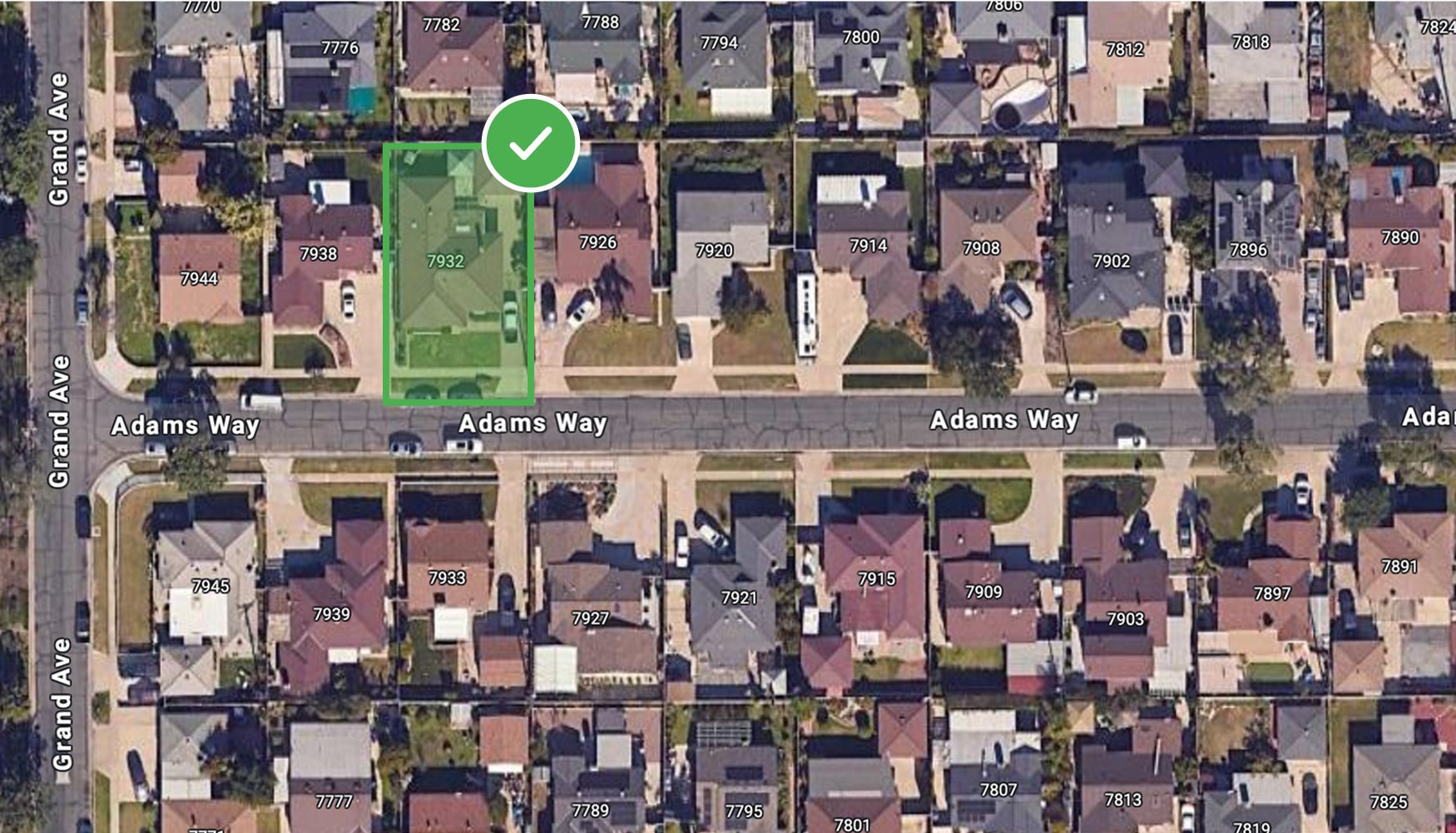
How to get a backyard home built fast in Palo Alto?
The fastest path is a pre-designed plan, a complete permit application, and one team managing every phase. "Fast" in the ADU world means fewer delays, not skipped steps.
Most slowdowns come from the same places:
Acton ADU's Build Ready ADUs address the first three. They are pre-designed, site-built homes with drawings, engineering, and curated finish options already done. Choose from 100+ plans, including the Investor Series, Signature Series, and Aging-in-Place Series. They are not prefab boxes. Each one is built on site to California residential standards, with permits and inspections like any primary home.
State law helps too. California requires cities to approve or deny a complete ADU application within 60 days. That clock only runs on a complete package, and it does not cover the time you spend on design, corrections, or utility work. A well-prepared Build Ready package keeps your application clean and avoids restarts.
So what is realistic? Plan in phases: feasibility and site work estimate, plan selection, permit preparation, city review, then construction. Permit review and utility coordination are the least predictable steps, and some cities run slower than their legal deadlines suggest. Build in a buffer, ask your builder for a written schedule with that buffer included, and verify current review times with Palo Alto's Development Services.
A Build Ready plan is a good fit when you want a dependable timeline. A Custom ADU is the better choice when your lot has quirks, your style is specific, or you want a design shaped around a family member's needs.
How does Title 24 energy compliance work for ADUs in Palo Alto?
Title 24 is California's building energy code. It sets minimum standards for insulation, windows, lighting, heating and cooling, and water heating in new homes, including ADUs. Palo Alto's own sustainability goals make energy performance a bigger topic here than in many other cities.
The 2025 California code cycle applies to permit applications submitted on or after January 1, 2026. Under it, the energy math favors efficient electric equipment such as heat pumps for heating, cooling, and hot water. Gas equipment can still be legal, but it is harder to make the energy numbers work.
Here is what Title 24 usually touches in a new ADU:
The timing matters most. If energy compliance is handled during design, it shapes window sizes, wall assemblies, and equipment choices before drawings are final. If it is handled after, you may redesign, resubmit, and wait again. The documentation is prepared by an energy consultant and submitted with your plans.
How does the ADU inspection process work in Palo Alto?
The city inspects your ADU at set milestones during construction, and each one must pass before work moves forward. Most projects follow this sequence:
Passing the first time depends on the builder. A licensed contractor with an active California State License Board (CSLB) license knows what inspectors look for and sequences the work to match. A failed inspection means a re-inspection fee, lost days, and a delayed move-in.
The homeowner's role is light but useful:
What should I ask an ADU builder before I hire?
Ask questions that reveal whether the builder will protect your budget, schedule, and sanity. Use this checklist:
A very low bid can hide site work that was left out. Acton ADU calls this the Lowest Bid Trap, and it is a good reason to compare what is included, not only the total.
How does a Palo Alto backyard cottage hold its value?
A well-built ADU holds value in three layers. First, it adds equity on day one because it is real, permitted living space on your property. Second, it appreciates along with the rest of the home over time. Third, it stays flexible: it can house a parent now, an adult child later, and a tenant or a downsized you after that.
Two ADUs of the same size are not worth the same. Layout, light, storage, and craftsmanship change how it lives, who wants to rent it, and how it appraises. Quality is part of the investment.
Partner with Bay Area ADU experts for a stress-free build
The pattern is simple. Know your zoning, choose an efficient design path, build Title 24 into the plans from the start, and hire a licensed team that expects to pass every inspection. Acton ADU brings more than 35 years of residential construction experience to Bay Area ADU builders' toughest questions, with hundreds of completed projects across California.
Homeowners choose Acton when they're looking for certainty throughout the process, quality in the finished product, and a home that's built to perform for decades.
Reach out today for a free consultation. Use the Check Your Property tool on ActonADU.com, browse our 100+ Build Ready ADU plans including the Investor Series, or explore a Custom ADU designed around your lot and your family.
Frequently Asked Questions
What are the zoning rules for building a guest house in Palo Alto?
A guest house that people can live in is treated as an ADU. As of January 2026, state law requires cities to allow at least 800 square feet with 4-foot side and rear setbacks, and Palo Alto may allow more. Verify your lot's limits with the city.
How can I add a guest house to my property in Palo Alto?
Start with a site assessment that checks your lot, property lines, trees, and utilities. Then choose a pre-designed or custom plan, prepare a complete permit application, and build with a licensed contractor. Acton ADU's Check Your Property tool is a good first step.
How can I get a backyard home built fast in Palo Alto?
Use a pre-designed plan, submit a complete permit package, and hire one team to manage every phase. State law requires a decision within 60 days of a complete application. Design, utility work, and construction still take time, so plan for a buffer.
How does the ADU inspection process work in Palo Alto?
The city inspects at milestones: foundation, rough framing, rough plumbing and electrical, insulation, and final. Each must pass before work continues. Your builder schedules the inspections and handles corrections.
How does Title 24 energy compliance work for ADUs in Palo Alto?
Title 24 sets energy standards for insulation, windows, lighting, heating and cooling, and water heating. The 2025 code cycle applies to applications on or after January 1, 2026. Handling it during design avoids redesigns and resubmittals.
Hear why homeowners build
The numbers only tell part of the story. On ADU Adventures: Building in Your Backyard, Acton ADU sits down with homeowners, planners, and builders to talk about why families across California are adding a home to their property. Listen at https://www.buzzsprout.com/2459996
Acton ADU | CA Lic. #638333 | (408) 539-1908 | info@actonadu.com | ActonADU.com