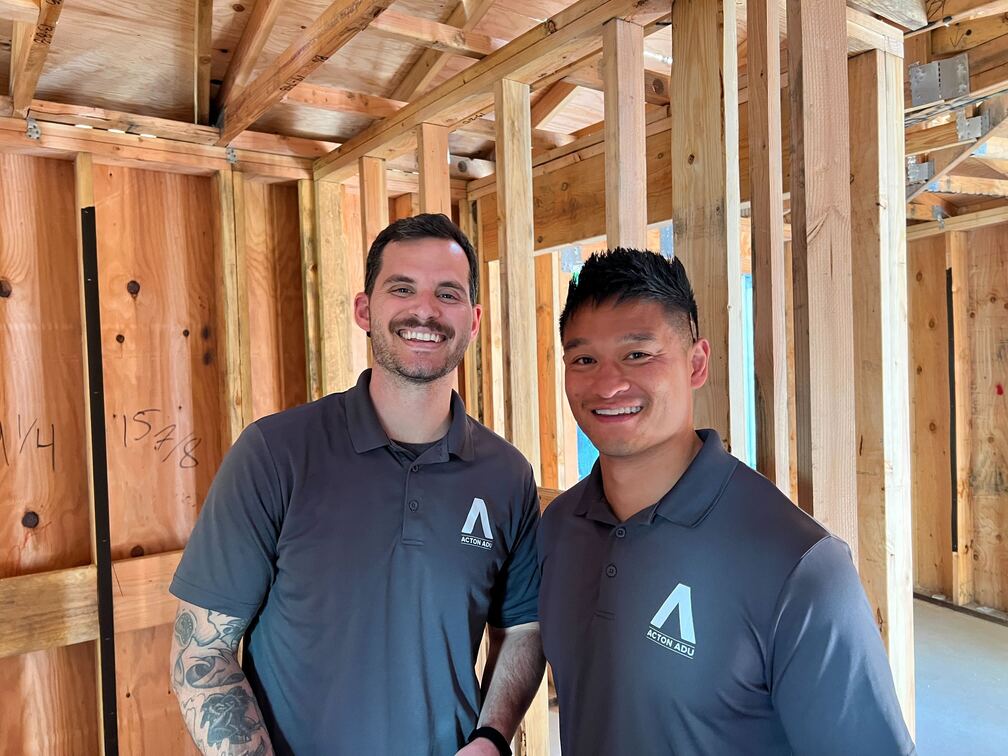
For most multigenerational homeowners, design-build ADU vs. hiring an architect then a contractor comes down to accountability, site conditions, and how much project management you want to carry. Design-build puts design, permits, and construction under one agreement. Separate vendors can fit homeowners with a distinctive design vision and time to manage.
An ADU, or accessory dwelling unit, is a second home on your property. Most families who build one are planning for an aging parent, an adult child, or a flexible space that serves the family for decades. The way you hire shapes how smoothly that goes.
This guide compares the two routes honestly, including who should take the architect-then-contractor path. Rules and timelines below are as of 2026. Verify them with your city or county before you commit.
What Are My Options: Design-Build or Architect Then Contractor?
Short answer: Both routes produce a legal, permitted ADU. The difference is who is accountable when drawings, price, and field conditions disagree.
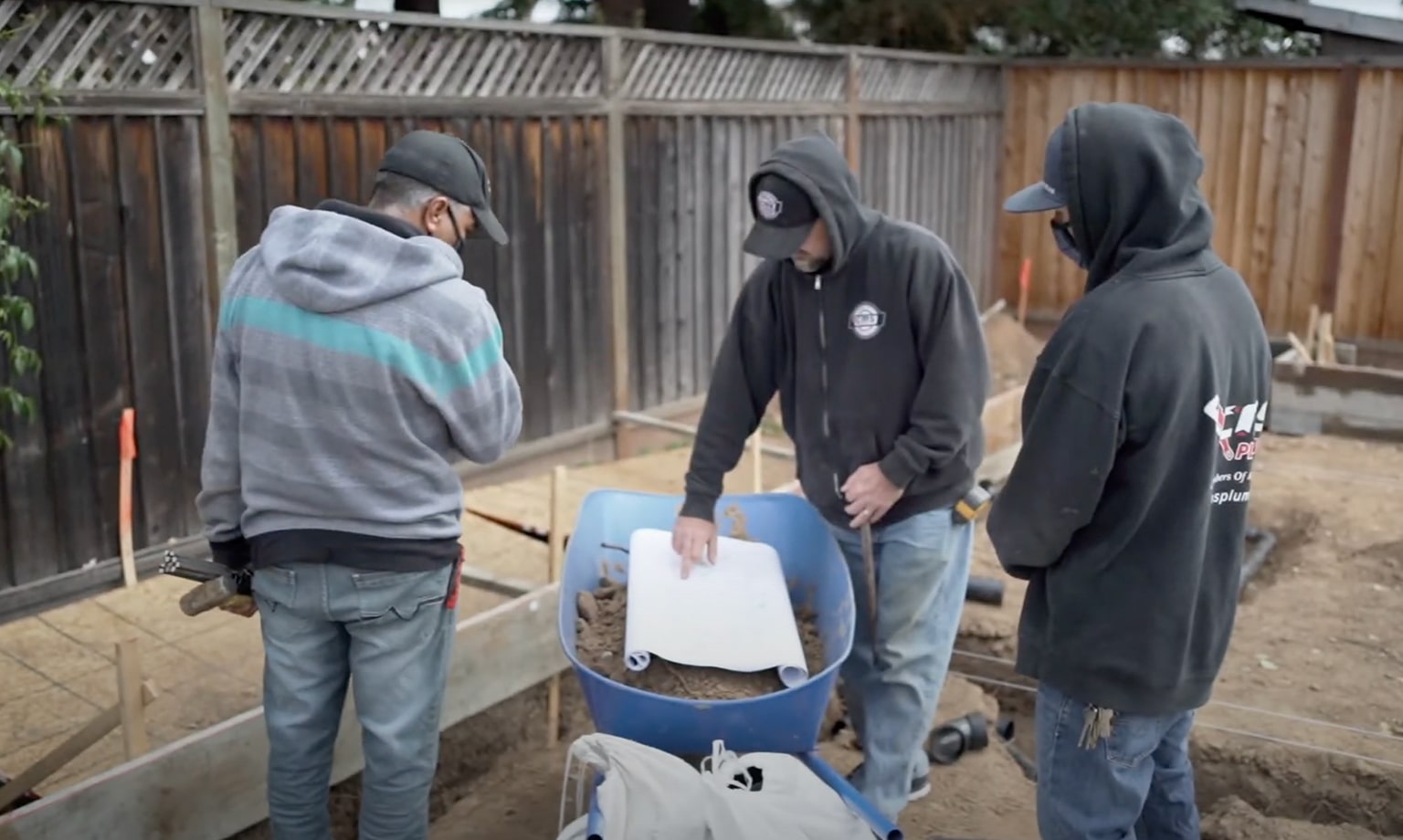
In the traditional route, you hire an architect to draw plans. You then take those plans out to bid, compare contractors, and sign a separate construction contract. You are the connection between two companies that never agreed to a shared budget.
In the design-build route, one team handles feasibility, design, engineering, Title 24 energy compliance (California's energy code), permitting, and construction. You sign one agreement and have one point of contact. Acton ADU has more than 35 years of residential construction experience in the Bay Area, and this unified model is how we work.
Do I need an architect or a design-build firm for an ADU in San Jose?
You need a complete, permit-ready plan set, but you do not need to hire an independent architect to get one. A design-build firm produces those drawings as part of its scope. Confirm current San Jose ADU requirements, including who must stamp which drawings, with the City of San Jose.
Here is how the two approaches compare on the factors that matter most to a family:
Site conditions
Timeline
Permitting
Disruption to the main home
Flexibility across life stages
Long-term value
Which Is Faster, and How Do the Costs Compare?
Short answer: Design-build is usually faster and more predictable, because the design is shaped around a buildable price from the start. The traditional route can cost less in some cases, but it carries more room for surprise.
In the traditional route, you pay for design first and learn the construction price later. If bids come in above your budget, the architect revises the plans, and the bids start again. Each loop adds weeks and design fees.
A design-build firm designs to a budget. Because the people pricing the work sit beside the people drawing it, a beautiful idea that cannot be built affordably gets caught early. You see one scope and one agreement, not a design fee plus a separate construction contract. Written estimates will not carry numbers here because every property prices differently. Trenching through dirt versus a concrete driveway, overhead versus underground electrical, and special foundations can move a project significantly.
Is it faster to use a design-build firm? Yes, in most cases, because phases can overlap. While the city reviews plans, a design-build team can line up materials and trade schedules. In the architect-first model, the contractor often cannot begin that planning until the drawings are finished and bid.
Be candid about permits, though. Review times vary widely by city and by project complexity. Some Bay Area jurisdictions run slowly, and no builder controls the city's queue. Build a buffer into any schedule, whichever route you choose.
For homeowners comparing prices, a note on the Lowest Bid Trap. A low number that excludes site work or leaves details vague tends to grow through change orders. Compare scope line by line, not just totals.
What Are the Risks of Using Separate Vendors?
Short answer: The biggest risk is split responsibility. When a problem appears on site, the architect and the contractor can each point to the other, and you are left holding the cost.
Here is what that looks like in practice:
A design-build firm absorbs most of those risks internally, because the drawings and the construction are one team's responsibility. That protects your budget and your peace of mind.
Should I use a design-build firm or manage separate vendors myself? Unless you have professional construction management experience and the time to use it, we advise against self-managing. An ADU involves permits, utilities, inspections, and trade sequencing. Missing one handoff can delay the whole project.
Does Local Expertise Change the Answer in Woodside and San Jose?
Short answer: Yes. Local rules and lot conditions often matter more than the choice of firm type, so site-first review is essential in towns like Woodside.
Woodside ADU regulations and the Town's design expectations can be demanding. Many parcels are large, wooded, or sloped, and trees, setbacks, access, and water or wastewater service can shape what is possible. Rules change, so verify current Woodside requirements with the Town. San Jose has its own permit pathways and review volumes, and each Bay Area city differs.
Woodside architects vs. design-build ADU firms: which is better? It depends on what you need. A high-end local architect brings a strong feel for neighborhood character and may be ideal for a one-of-a-kind guest house. A firm that specializes in ADUs brings working knowledge of state ADU law, local workarounds, and what the build will actually cost.
Build Ready ADUs add another advantage. These are pre-designed, site-built homes with engineering and drawings already complete, chosen from 100+ plans. A complete plan set can move toward submittal faster than a drawing started from scratch. A Build Ready ADU is built like any other home under local permits and inspections, not as a factory-assembled unit.
When you evaluate a firm's portfolio, ask for completed projects in your own city or one like it. Look at how the home meets the yard, how the finishes have aged, and whether the owner would hire the firm again. When you want a plan shaped entirely around your lot and family, a Custom ADU from Acton ADU covers feasibility, architecture, engineering, Title 24 compliance, permitting, construction, and warranty under one agreement.
When Does Architect Then Contractor Make Sense?
Short answer: The traditional route fits homeowners who want full control over a distinctive design and have the time and experience to manage it.
It may be the right call if:
It is a harder fit if your priorities are certainty, a firm schedule, and keeping your own life on track. For a family planning care for an aging parent or housing for an adult child, those priorities usually come first.

What Should I Ask a Builder Before I Hire?
Short answer: Ask questions that expose who is accountable, how the site is evaluated, and what happens when something changes.
How Does This Hold Its Value?
Short answer: A well-designed, traditionally built ADU adds equity on day one and grows with the property. Quality and design, not square footage alone, drive that performance.
Two ADUs of the same size are not worth the same. Layout, light, storage, finishes, and craftsmanship change how a home feels and how it performs. Appraisers and buyers notice the difference.
Over time, the ADU appreciates with the rest of your property. A home designed for flexibility serves an aging parent today, an adult child later, and a rental or downsizing home after that. That flexibility across life stages is what makes an ADU an enduring asset.
Choosing the Right Path for Your Backyard Home
If you value certainty, a single accountable team, and your own time, design-build is usually the safer path. If you have a specific architectural vision and the time to manage it, the traditional route can work.
The multigenerational homeowner who wants a home that performs for decades — one that's designed and built as a unified product, with clear accountability and a team that knows Bay Area jurisdictions — is the reader that design-build is built for.
Ready to explore what Acton ADU can build on your lot? Contact us for a free consultation at actonadu.com or call (408) 539-1908.
Frequently Asked Questions
Do I need an architect or a design-build firm for an ADU in San Jose?
You need permit-ready plans, but you do not have to hire a separate architect to get them. A design-build firm prepares the drawings as part of one agreement. Verify current San Jose requirements with the city.
What is the difference between design-build and hiring an architect separately?
Design-build gives you one team and one agreement for design, permitting, and construction. The architect-then-contractor route splits those roles, so you coordinate two companies and carry the handoff risk.
Is design-build faster for a Bay Area ADU?
Usually, yes. Phases can overlap, and the design is built around a realistic price, which avoids redesign loops. City review times still vary, so plan for a buffer.
What are the risks of hiring a separate architect and contractor?
The main risks are finger-pointing when issues arise, change orders for details the drawings missed, and the time burden of managing it all yourself. Design-build absorbs much of that internally.
Woodside architects vs. design-build ADU firms: which is better?
A local architect can be a strong fit for a one-of-a-kind design vision. An ADU-focused design-build firm brings knowledge of ADU law, pricing, and permitting. Verify Woodside requirements with the Town before you decide.
Who is Acton ADU?
Acton ADU is a Bay Area design-build firm with more than 35 years of residential construction experience, specializing in accessory dwelling units across San Jose, Woodside, Palo Alto, Campbell, Cupertino, and surrounding cities. CA Lic. #638333.