Accessory dwelling units (ADUs) are backyard homes, sometimes called in-law suites or guest houses. Across Sunnyvale, Campbell, Menlo Park, and Mountain View, more families are adding one to care for aging parents, give adult children a place to land, or create a rental. The big question comes next: should you build a custom ADU or choose a pre-designed plan, and should it be built on site or in a factory?
This guide answers that plainly. Acton ADU brings more than 35 years of residential construction experience and hundreds of completed projects across California to the question. Every ADU we build is site-built to California residential code, not factory-assembled.
Below, you will find clear definitions, a comparison of construction methods, a way to size up your own lot, and what to ask any builder before you sign. One note up front: city rules, fees, and timelines change often. Everything here reflects general conditions as of the current code cycle, so verify details with your city.
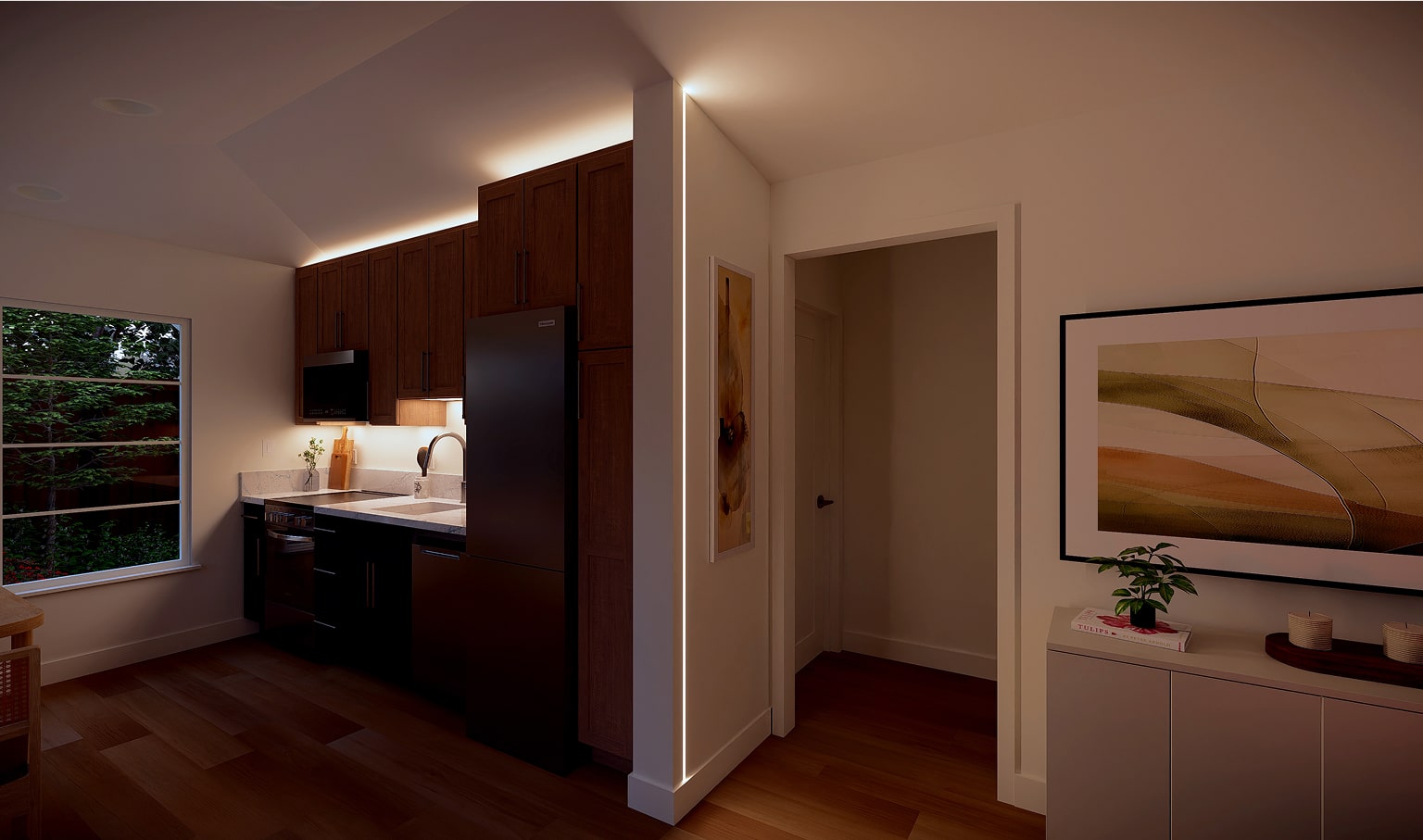
Understanding Your Options: Custom, Pre-Designed, and Prefab ADUs
The difference comes down to two separate choices: who designs the home, and where it gets built. A custom or pre-designed ADU can be built on site. Prefab describes a construction method, not a design style.
Here are the three terms homeowners hear most:
- Custom ADU: A backyard home designed from scratch around your property and your family. It maximizes light, privacy, and storage for your exact lot, setbacks (required distances from property lines), slopes, utilities, and parking.
- Pre-Designed ADU: A complete plan that already has drawings, engineering, and curated finish choices. At Acton ADU, these are our Build Ready ADUs, with 100+ plans to choose from. Because the design work is done, you skip a long design cycle and get a clearer path on cost and permitting.
- Prefab or modular ADU: A unit built in a factory and trucked to your property. It often needs significant logistics, such as crane access and delivery routes.
The key difference in Silicon Valley is this: pre-designed describes the plan, and prefab describes the construction method. Acton ADU does not build factory-assembled units. Our pre-designed Build Ready ADUs are built on your property, under local permits and inspections, just like a main house.
Why does this matter for value? Two ADUs of the same size are not worth the same. Design quality, craftsmanship, and how well the home works day to day change how it performs for your family, for tenants, and at resale. The right type is a long-term decision, not just a purchase.
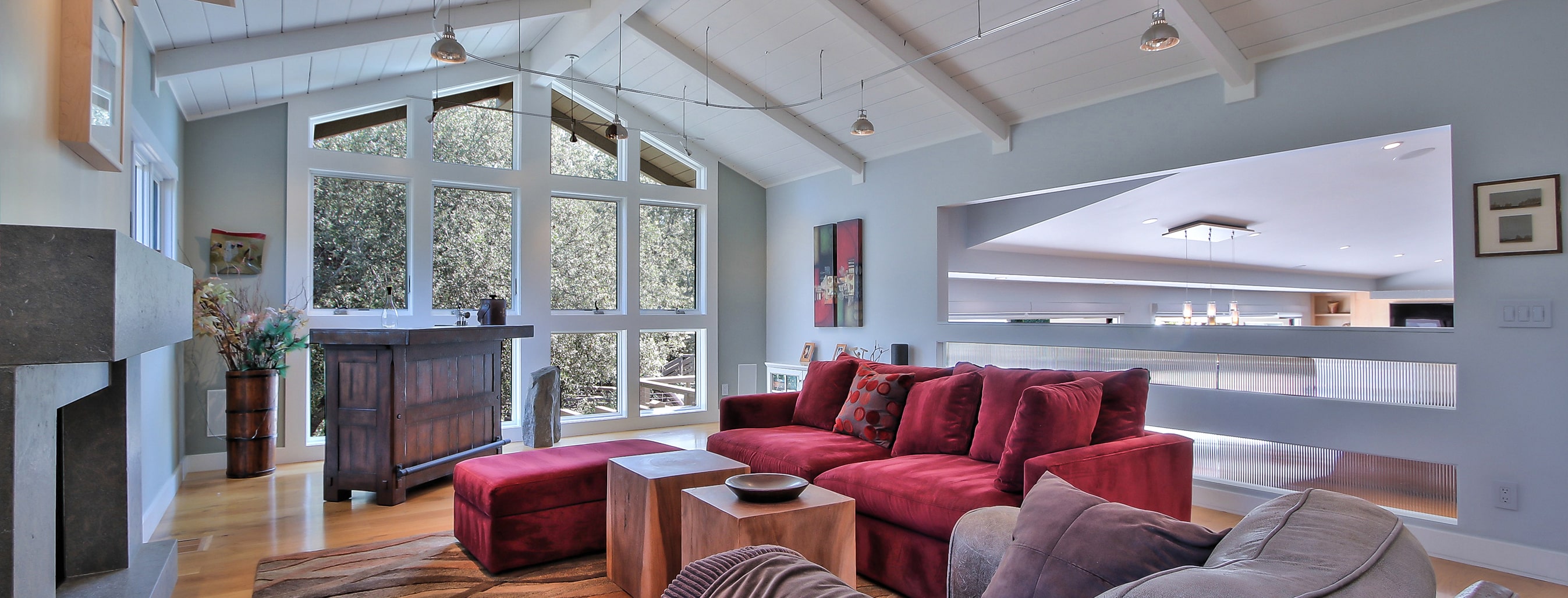
Site-Built vs. Modular ADUs: Maximizing Value in Menlo Park and Mountain View
For most Peninsula and South Bay lots, site-built is the more flexible choice. A site-built ADU is constructed entirely on your property, so the crew can adapt to what the ground, the trees, and your existing home actually present.
Is it better to get a site-built ADU or a prefab one in Menlo Park?
Often, yes. Menlo Park neighborhoods tend to have mature trees, established landscaping, and homes with strong architectural character. A site-built backyard home can match rooflines, siding, windows, and proportions so the new space feels like it was always part of the property. Factory-built units usually come in set shapes and sizes. Matching them to an existing home can be harder, and the result may look like an add-on instead of a second home.
Why choose site-built over modular for a backyard guest house in Mountain View?
Mountain View lots are often compact, and access can be tight. Site-built construction does not depend on a delivery truck and crane reaching your backyard, so access is less likely to decide your design. Here are the logistics homeowners should ask about with any modular proposal:
Here are the logistics homeowners should ask about with any modular proposal:
- Crane and truck access: Narrow side yards, fences, and neighboring structures can block delivery.
- Overhead wires: Power lines can limit where a crane can lift a unit.
- Foundation fit: The site foundation must match the unit precisely. A mismatch can mean delays and rework.
- Unexpected site conditions: Buried utilities, roots, or soil surprises are easier to handle when builders are already on site.
Site-built homes are designed to perform for decades. They are built to the same residential standards as your main house, which supports long-term value for generations. For a backyard guest house or a home for family, site-built gives you stronger craftsmanship and an easier path when the unexpected shows up.
Choosing Between Custom and Pre-Designed for Your Sunnyvale or Campbell Lot
Your lot usually decides the answer. A standard, fairly regular lot often fits a Pre-Designed ADU well. An irregular lot, mature trees, or a very specific vision often points to a Custom ADU.
Which is better for Sunnyvale lots: custom ADU or pre-designed ADU?
It depends on the lot and your goals. Many Sunnyvale lots are fairly regular in shape, which suits a Build Ready ADU. You get predictable costs, a faster path to permit submittal, and fewer decisions to untangle mid-project. If your Sunnyvale lot has an odd shape, a tight setback, or a design goal no existing plan meets, a Custom ADU is worth a closer look.
How do I choose between a custom and a pre-designed ADU in Campbell?
Campbell has a mix of lot sizes and plenty of mature trees. If you want to protect a favorite tree, work around a slope, or create a very specific style, a Custom ADU gives your architect room to design around it. If your lot is straightforward and you want less stress, a pre-designed plan can be a strong fit. Pre-designed does not mean cookie-cutter. Our library includes models such as Campbell Contemporary and Cupertino Contemporary, and you can choose from interior and exterior packages to make the home your own.
This quick comparison can help:
Best lot type
- Pre-Designed (Build Ready ADU): Regular, accessible lots
- Custom ADU: Irregular lots, slopes, tree preservation
Design process
- Pre-Designed (Build Ready ADU): Choose a finished plan
- Custom ADU: Designed from scratch for your lot
Timeline
- Pre-Designed (Build Ready ADU): Typically shorter, since design is done
- Custom ADU: Longer, with added design time
Cost clarity
- Pre-Designed (Build Ready ADU): Standardized details help predictability
- Custom ADU: Depends on design choices and site
Personalization
- Pre-Designed (Build Ready ADU): Interior and exterior packages
- Custom ADU: Fully tailored
Use this checklist to size up your own space:
- Lot size and shape: Is the backyard open and regular, or narrow, sloped, or oddly shaped?
- Utility access: How far is the trench to your sewer, water, and electrical connections? Is power overhead or underground?
- Trees and obstacles: Do you have mature trees you want to keep?
- Primary goal: Is this for an aging parent, an adult child, a guest house, or a rental? Aging-in-place needs may point to our Aging-in-Place Series.
- Timeline and stress tolerance: Do you want the fastest, most predictable path, or a one-of-a-kind design?
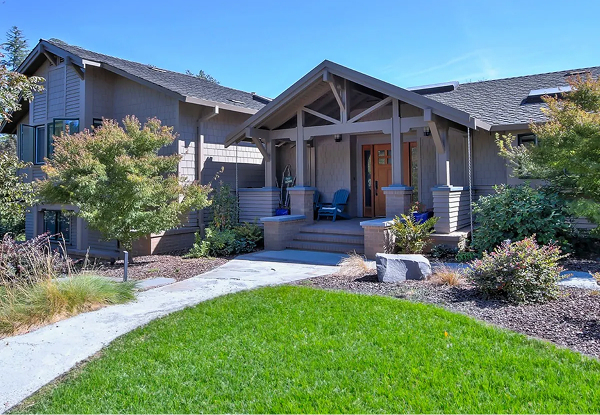
Why Hiring a Specialized Bay Area ADU Builder Matters
If you are asking whether to hire an ADU specialist or a general remodeler, the specialist is usually the safer choice. An ADU is a complete second home, with its own utilities, code requirements, and permit path. ADU regulations are layered. State law sets a baseline, and each Bay Area city adds its own rules on setbacks, height, parking, and review. These rules change often. A builder who works on ADUs every week keeps up. A general remodeler may treat the job like a standard addition.
Here is where the difference shows up:
- Separate utilities: Metering, trenching, and panel capacity can shape cost as much as the ADU itself.
- Title 24 compliance: California's energy code applies to new homes. The 2025 code cycle applies to permit applications on or after January 1, 2026.
- Tight-lot logistics: Staging materials and working around neighbors takes planning.
- Permit navigation: Knowing how each city reviews plans helps avoid resubmittals.
A specialist should also be candid about slow cities and site conditions early, before surprises become change orders. At Acton ADU, every detached ADU begins with a Feasibility Package, where we inspect your property and determine what is possible before you commit to a design. With more than 35 years of residential construction experience, we manage the process from feasibility through construction, so one accountable team handles the details.
Before you hire anyone, ask these questions:
- How many ADUs have you built in my city, and can I see them?
- Do you inspect my site and price site work before we talk floor plans?
- Who handles permits, utilities, and Title 24 documentation?
- Is the ADU built on site, and what is your process if conditions change?
- How do you handle change orders?
- Is your contractor license active? (Acton ADU is CA Lic. #638333.)
- What warranty do you provide, and how is it honored?
Taking the Next Step: Start Your Silicon Valley ADU Project
The main takeaways are simple. Site-built construction gives you durable quality and flexibility on real-world lots. The choice between custom and pre-designed comes down to your lot, your goals, and how much you want to personalize. And an experienced ADU builder protects your time, budget, and peace of mind.
Homeowners choose Acton when they are looking for certainty throughout the process, quality in the finished product, and a home built to perform for decades. With the right partner, an ADU can serve your family now and flex for adult children, a rental, or your own downsizing later.
Curious what is possible in your backyard? Use our free property assessment tool to see which ADU models work on your lot. Reach out today for a free consultation.
Frequently Asked Questions
What is the difference between a custom ADU and a prefab or pre-designed ADU in Silicon Valley?
A Custom ADU is designed from scratch for your lot. A Pre-Designed ADU uses a finished plan with engineering already done. Prefab is a factory-built method, and Acton ADU builds all of its ADUs on site.
Is it better to get a site-built ADU or a prefab one in Menlo Park?
For most Menlo Park lots, site-built is the more flexible choice. It can match your existing home and adapt to trees, utilities, and access limits.
Which is better for Sunnyvale lots: custom ADU or pre-designed ADU?
It depends on your lot. Regular lots often suit a pre-designed plan, while irregular lots or specific design goals often call for a Custom ADU.
Should I hire an ADU specialist or a general remodeler in the Bay Area?
An ADU specialist is usually the better fit. They know local ADU regulations, utility requirements, and permitting steps from experience.
Why choose site-built over modular for a backyard guest house in Mountain View?
Site-built construction avoids crane and delivery limits on tight lots. It also adapts more easily to unexpected site conditions.