Building a Backyard Rental Unit in Santa Clara: Your Complete ADU Guide
Building a backyard rental unit in Santa Clara is possible on most single-family lots. It depends on three things: your lot's size and setbacks, your utility connections, and the permit path the city assigns. An accessory dwelling unit (ADU) is a small, self-contained home on your property. A site review tells you quickly whether yours qualifies.
Silicon Valley housing demand is strong, and many homeowners are weighing a rental ADU. This guide covers where to start, the rules, the permits, the costs, and how to choose a builder. Acton ADU brings more than 35 years of residential construction experience to the Bay Area, and hundreds of completed projects across California.
Why Is Santa Clara a Good Place for a Backyard Rental Unit?
Santa Clara sits in the middle of Silicon Valley, close to major employers, universities, and transit. People who work nearby often struggle to find housing close to their jobs. That steady demand is why a well-built backyard home tends to attract stable tenants.
A rental ADU does more than produce monthly income. A well-designed, site-built ADU adds usable living space to the property, so it can add long-term equity as well. We treat monthly rent as one benefit of the investment, not the whole case.
State law also supports ADUs. California has limited how much cities can restrict them, and that gives homeowners a more predictable path than they had years ago. The same home can later house an aging parent or an adult child, which is the thinking behind Family Integrity Planning: build once, and let the space serve your family at year one and year fifteen.
Where Do I Start When Planning My Santa Clara ADU?
Start with a property check, then define your goals, then pick a path. Doing these in order keeps you from falling in love with a plan your lot cannot support.
Here are the first steps we recommend:
- Check feasibility. Confirm your lot has room for a detached unit. Look at access to the backyard, existing structures, large trees, and where the utilities run.
- Define your goals. Decide whether the unit is mainly a rental, a future home for family, or both. Think about privacy for you and for your tenant, and set a budget range you are comfortable with.
- Choose your path. A Build Ready ADU uses a pre-designed plan to save time and keep decisions manageable. A Custom ADU is designed around your lot, which helps with unusual shapes, slopes, or tight access.
- Talk to one accountable team. A design-build firm handles design, engineering, permits, and construction together, so site problems show up early instead of mid-project.
As a rule, the site often drives cost as much as the ADU itself. Two identical plans can price very differently depending on trenching distance, existing driveways, and utility upgrades. Learning that before you pick a floor plan protects your budget.
If you want a quick look at design options, Acton ADU offers 100+ Build Ready plans. Examples include the Campbell Contemporary and Cupertino Contemporary designs, and the Investor Series is built around efficient two-bedroom, two-bath layouts for rental use. A Custom ADU makes sense when your lot needs something different.

What Are the Santa Clara ADU Rules and the Permitting Process?
Santa Clara ADU rules follow California state law, with local standards layered on top. The core limits below reflect state ADU law as of January 2026. Always verify details with the City of Santa Clara Planning and Building divisions before you finalize a design.
Core rules to know (as of January 2026):
- Setbacks: State law generally limits side and rear setbacks for an ADU to 4 feet. Front setbacks and unusual lot conditions can differ.
- Size: State law protects the right to build a detached ADU of at least 800 square feet. Larger units are often possible, and local size limits apply.
- Height: Detached ADUs are commonly limited to about 16 feet in height, with exceptions in some situations such as near transit.
- Parking: Cities generally cannot require replacement parking when an ADU is within a half mile of public transit. Other exemptions may apply, so confirm your address.
- Utilities: Santa Clara has its own municipal electric utility, Silicon Valley Power. Panel capacity and service upgrades can affect schedule and cost.
Check whether your home is in a historic district, a flood zone, or under an HOA with its own rules. In California, HOAs generally cannot ban ADUs outright, but design standards may still apply.
The permitting process, step by step:
- Site documentation: A survey and site plan show setbacks, utilities, and existing structures.
- Design and engineering: Architectural plans, structural engineering, and energy compliance documents are prepared.
- Submittal: Plans go to the city. Permit applications filed on or after January 1, 2026 fall under the 2025 California code cycle, which includes updated energy standards.
- Plan check and corrections: City reviewers comment, and your team responds. Plan review in Bay Area cities can be slow, so we build a buffer into every schedule.
- Permit issuance and construction: Inspections happen at set stages, such as foundation, framing, and final.
State law sets time limits for cities to act on ADU applications, but real timelines vary with completeness, corrections, and the city's workload. Treat any timeline as an estimate and confirm current review times with the city. A builder who submits the permits and handles city correspondence for you keeps this stage moving and keeps you out of the paperwork.
How Much Does It Cost to Build a Backyard ADU in Santa Clara?
The cost to build an ADU in the Bay Area varies widely, because it depends on size, design, finish level, and site conditions. We do not publish single price numbers in an article, because a number that ignores your lot is a guess. A property-specific estimate is the only price you should rely on.
Here is what typically makes up the total:
- Design and engineering: Plans, structural calculations, and energy compliance. Build Ready plans reduce this because the drawings already exist.
- Permits and fees: City permit and review fees, plus utility and school fees where they apply. Fee schedules change, so verify with the city.
- Site preparation: Clearing, grading, foundation work, and tree considerations.
- Utilities: Trenching for water, sewer, and electric, and possible panel upgrades. This is where lots differ the most. Trenching five feet costs far less than trenching through a long concrete driveway.
- Construction: Framing, roofing, plumbing, electrical, heating and cooling, insulation, and windows.
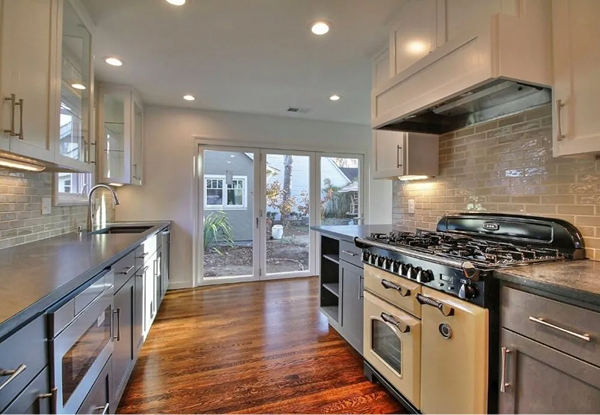
- Finishes: Flooring, cabinets, counters, fixtures, and paint.
Because site work can change the final price, we price what your property requires before we talk floor plans. That is how we aim to avoid change orders unless you change the scope.
Design
- Build Ready ADU: Pre-designed plan with curated style packages
- Custom ADU: Designed around your lot and goals
Best for
- Build Ready ADU: Homeowners who want speed and predictability
- Custom ADU: Unusual lots, slopes, or specific design needs
Cost control
- Build Ready ADU: Standardized details help keep budgets clearer
- Custom ADU: Flexible, with more design decisions
Permit prep
- Build Ready ADU: Plans are ready to submit
- Custom ADU: Design phase comes first
Quality also affects performance. Two ADUs of the same size are not worth the same. Better layouts, durable materials, and good craftsmanship tend to support stronger tenant demand, longer stays, and lower maintenance over time.

How Do I Choose an ADU Builder in Santa Clara for Rental Properties?
Choose a builder that handles design, permits, and construction under one roof, knows Bay Area codes, and can show completed work. Homeowners searching for the best ADU builders in Santa Clara should compare builders on these points, not just on the lowest bid.
A low bid often leaves out site work, which then appears later as change orders. Ask what each estimate includes and what it excludes.
Questions to ask any builder:
- Is the builder licensed with the California Contractors State License Board, and can you verify the license number?
- Do they handle design, engineering, permits, and construction in one team?
- Have they built ADUs in Santa Clara or nearby cities, and do they know the local permit process?
- Will they visit your property and price the site work before you sign?
- How do they handle change orders, and when can the price change?
- Can they show completed projects and speak to how the homes perform for tenants?
- Is the ADU site-built to residential code, rather than a factory-built unit?
- What warranty do they offer, and how do they handle service requests?
For a rental, also look at the design itself. Tenant-friendly layouts include good natural light, smart storage, and privacy between the main house and the ADU. Durable finishes cut down on repairs and help the unit stay rentable for decades.
Acton ADU is a local design-build team with more than 35 years of residential construction experience. We do not build tiny houses or factory-assembled units. Every Acton ADU is site-built under local permits and inspections.
Ready to Transform Your Backyard? Next Steps
A backyard rental unit in Santa Clara can add income, equity, and flexibility for your family. The path gets simpler when you start with your property, understand the rules, and work with a team that handles permits and city correspondence for you.
Homeowners choose Acton when they're looking for certainty throughout the process, quality in the finished product, and a home that's built to perform for decades.
Use our Check Your Property tool at ActonADU.com today to explore our Build Ready and Custom ADU options. Reach out today for a free consultation.
Frequently Asked Questions
I want to build a rental unit in my Santa Clara backyard. Where do I start?
Start by checking your property for room, access, setbacks, and utility locations. Then define your goals and choose between a Build Ready or Custom ADU. A design-build team can review your site before you commit to a plan.
What are the ADU rules and costs for Santa Clara backyard homes?
As of January 2026, state law generally allows 4-foot side and rear setbacks and protects an ADU of at least 800 square feet. Costs depend on size, finishes, and site conditions such as utility trenching. Verify current rules and fees with the City of Santa Clara.
How do I get permits for a backyard rental unit in Santa Clara?
You submit plans to the city, respond to plan check comments, and receive a permit before construction begins. Applications filed on or after January 1, 2026 fall under the 2025 California code cycle. A builder who handles submissions and city correspondence keeps the process moving.
How do I choose an ADU builder in Santa Clara for rental income?
Look for a licensed design-build firm with local permit experience and completed projects you can review. Ask what each estimate includes and excludes. Check that the builder designs for tenant appeal and durability.
How much does it cost to build a backyard ADU in Santa Clara?
It varies with size, design, finishes, and site work, so a property-specific estimate is the reliable answer. Utility trenching, grading, and panel upgrades often cause the biggest differences between lots. A site review before design helps you see those costs early.