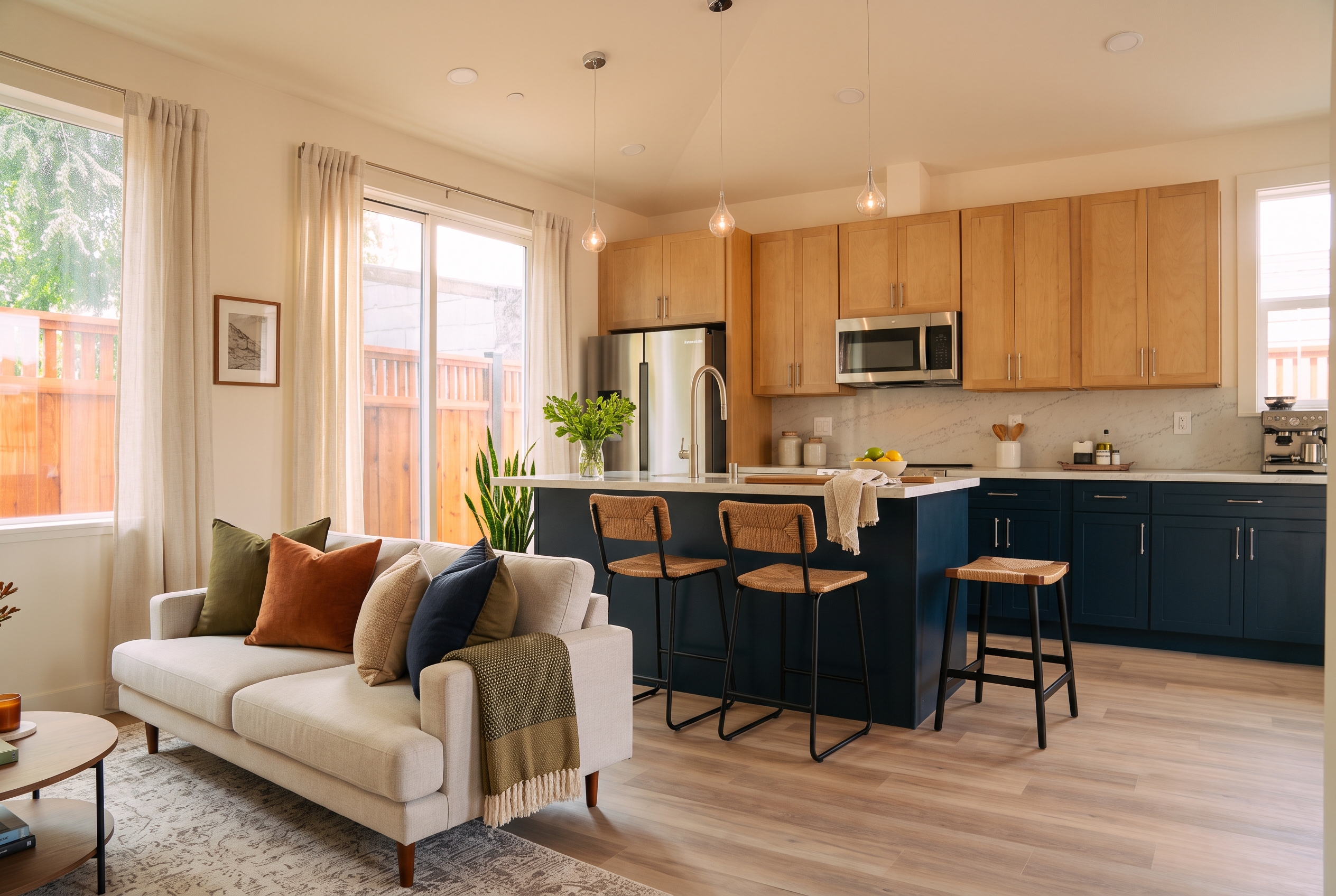
Can you build an ADU in Menlo Park and come out ahead? For most homeowners with the right lot, yes. An ADU (Accessory Dwelling Unit — a small second home on your property, often called a granny flat or backyard home) can add real value, but the result depends on your site conditions, how the city reviews your plans, and the quality of the builder you hire.
Most families start with one question: who is this home for? Today it may be an aging parent. Later it may be an adult child, and after that a rental or a place for you to downsize. Below, we walk through value, permits, builder vetting, and timelines so you can plan for year one and year fifteen.
How Does an ADU Maximize Your Property Value in Menlo Park?
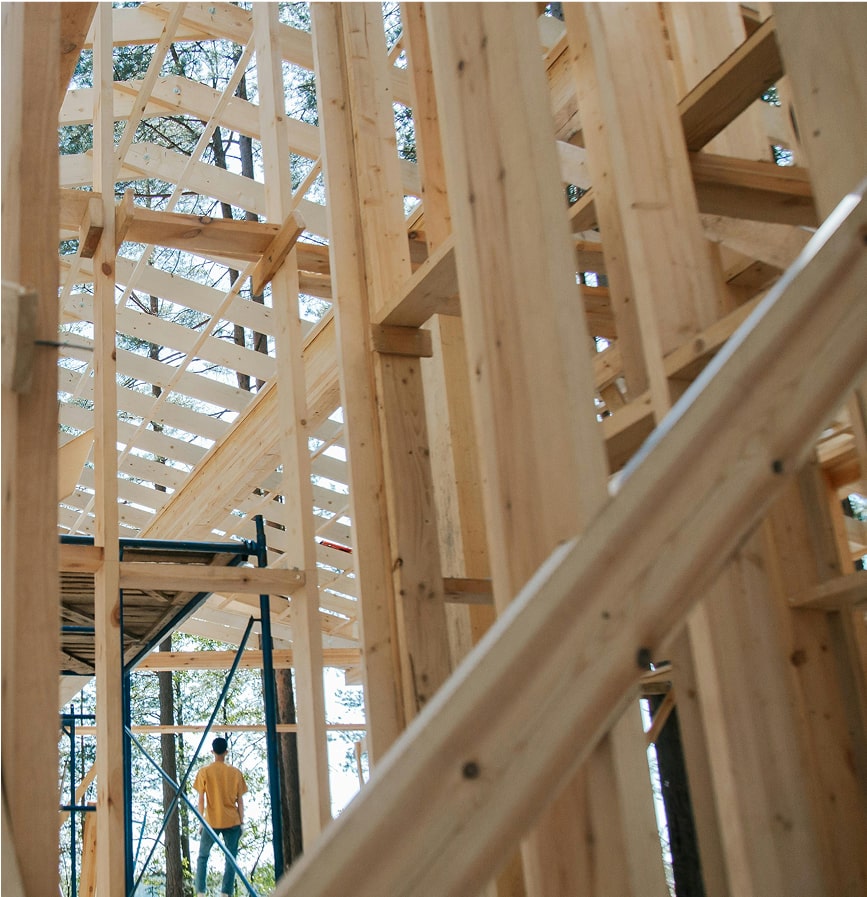
A well-designed, well-built ADU adds livable square footage to a property in one of the most sought-after markets in Silicon Valley. That space tends to add value in three ways: day-one equity, appreciation over time, and flexibility across life stages.
Start with day-one equity. A traditionally site-built ADU with quality finishes is often valued like a real home, not like a storage shed with a bathroom. Two ADUs of the same size are not worth the same. Design, craftsmanship, natural light, storage, and privacy all change how a home appraises and how it lives.
Next comes appreciation. Once the ADU is part of your property, it generally rises in value along with the rest of the home. Curb appeal matters here. A backyard home that echoes the architecture of your main house feels like part of the property, not an afterthought.
Then there is flexibility, which is where Family Integrity Planning comes in. A space that can house a parent today, an adult child next year, and a long-term tenant later gives you options that future buyers also value. Rental income can help, since Silicon Valley housing demand is strong. We think of it as a bonus on top of equity, not the whole case. Values and rents vary by property, so talk with a local appraiser or lender about your situation.
Quality also supports stable tenants and lower maintenance over time. That is why we say you are not just building an ADU. You are building a home that needs to perform for decades.
Who Handles the City Permits for a Menlo Park Granny Flat?
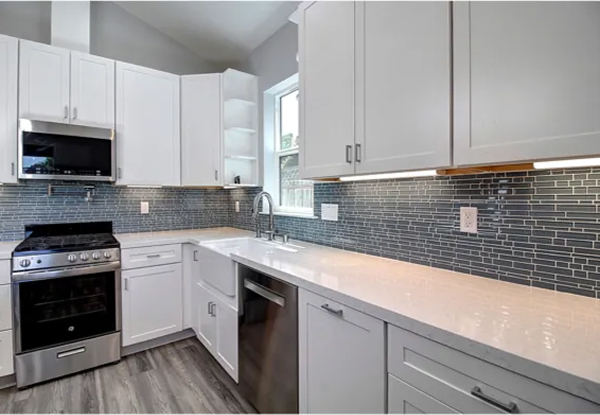
If you hire a full-service design-build firm, the builder handles the permits for you. That includes preparing plans, submitting them, answering city comments, and scheduling inspections. You stay informed and sign what needs your signature, but you do not have to learn the system.
In Menlo Park, ADU projects generally pass through the Menlo Park Planning Division (zoning, setbacks, height, and design standards) and the Menlo Park Building Division (structural, electrical, plumbing, and energy code review). Utility providers and fire review may also come into play depending on your lot. Rules, fees, and review times change, so we recommend verifying current requirements directly with the city before you finalize any plan.
The type of plan you choose affects the permit stage. A Build Ready ADU starts with complete drawings, engineering, and selections already done, so the submittal package is ready to go. A Custom ADU is designed around your specific lot, so it needs more design time up front and usually a longer review. Neither path is better in every case. The right one depends on your site, your goals, and your budget.
DIY permitting is where many homeowners lose months. Missed setbacks, incomplete drawings, and unanswered city comments can send a project back to the start. Whoever signs the permit application also carries responsibility for the work under it, which is one reason the contractor should pull the permit.
Choosing the Right Builder: How Much Experience Do You Need?
For an ADU in Menlo Park, look for a builder with decades of residential experience in Bay Area conditions, not a company that started building ADUs last year. Experience matters because every city, soil type, and utility situation is a little different. Acton ADU brings more than 35 years of residential construction experience to Bay Area homeowners, including hundreds of completed projects across California.
Experience should show up in a few concrete ways. A strong builder looks at your property first, before talking about floor plans. They check access, setbacks, utilities, trees, and foundation needs, because the site often drives cost as much as the ADU itself.
When you ask who the reputable ADU contractors in Menlo Park are, skip the popularity contest and check the facts. Reputable builders can show:
- An active California contractor license that you can verify on the Contractors State License Board website
- A portfolio of finished projects, including both Build Ready and Custom ADUs
- Recent client reviews and references you can actually call
- A written project agreement with clear scope and a process for change orders
- A local team that handles design, permits, and construction together
A design-build firm keeps one accountable partner from feasibility through warranty. Acton ADU is a licensed design-build company (CA Lic. #638333) that handles feasibility, design, permits, and construction under one roof.
Be wary of the lowest bid. It often leaves out site work or leans on allowances that grow later — what we call the Lowest Bid Trap, one of the most common ways ADU budgets go sideways.
What Are Realistic Timeline Estimates from Menlo Park ADU Builders?
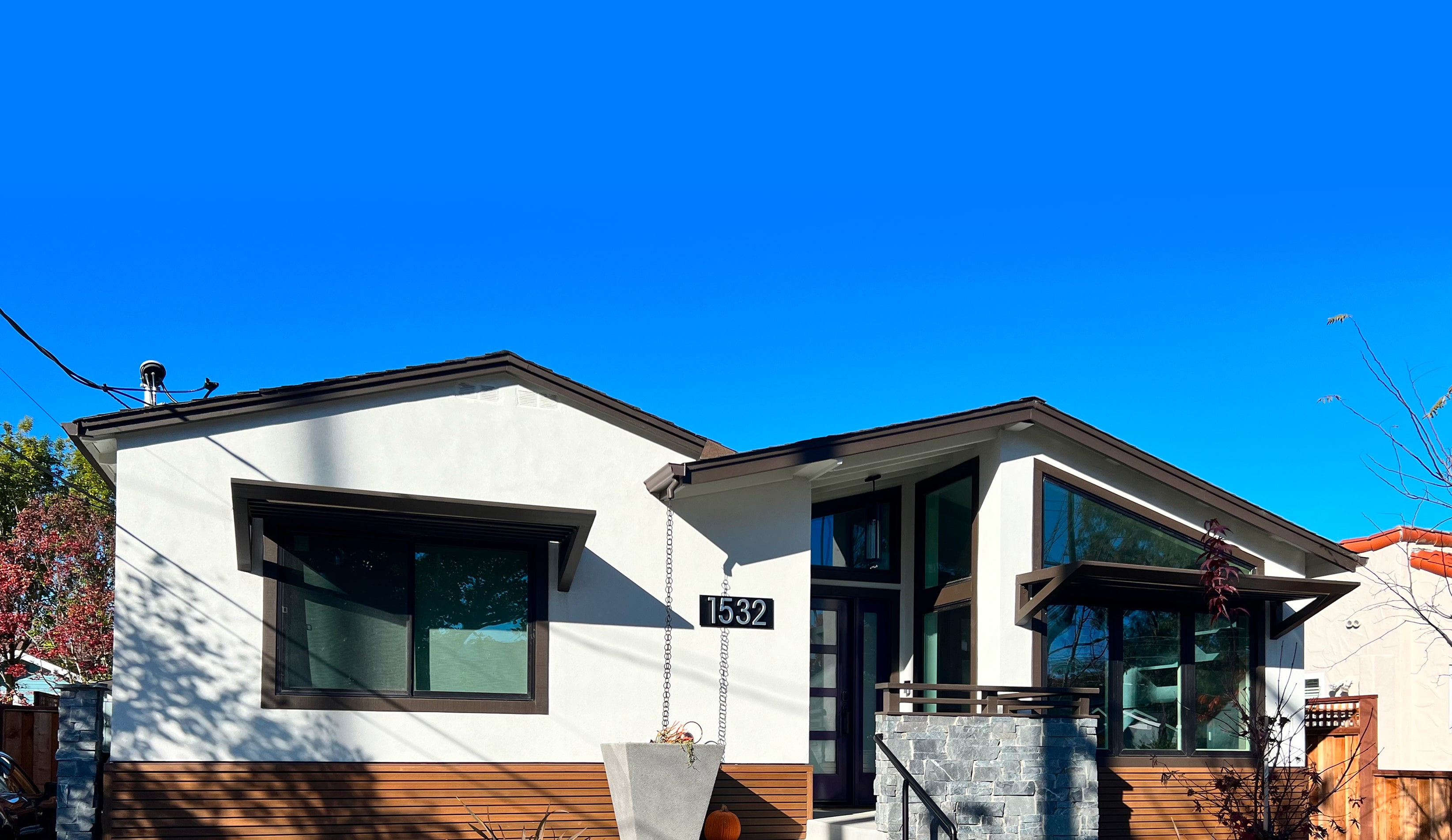
Most ADU projects in the Bay Area take roughly 7 to 13 months from first design to move-in. The typical ranges below are general estimates. Your timeline depends on your lot, your plan, and the city's current workload — verify with the city and your builder.
Design
- Typical Range: 1 to 3 months
- What Happens: Site review, floor plan, selections, engineering
Permitting
- Typical Range: 2 to 4 months
- What Happens: City plan review, comments, corrections, approval
Construction
- Typical Range: 4 to 6 months
- What Happens: Foundation, framing, systems, finishes, inspections
Build Ready ADUs usually move faster in the design phase because the drawings and engineering already exist. You pick a plan from 100+ options, choose your finishes, and move toward permit submittal sooner. Custom ADUs take longer up front, but they let you shape the home around your lot and your family.
Several things can slow any project down. Be candid with yourself about these:
- Utility connections. Electrical panel upgrades and service work can involve long lead times, so ask about them early.
- Soil and foundation conditions. Clay soils or sloped lots may need a geotechnical report before engineering is complete.
- City backlog. Plan review times rise and fall with application volume. Build in a buffer.
- Trees and setbacks. Protected trees or tight setbacks can force design changes.
- Late selections. Slow decisions on finishes can stall ordering and scheduling.
A dedicated local project team keeps these risks visible. At Acton ADU, surfacing problems early is part of how we work.
Start Your Menlo Park ADU with Acton ADU
An ADU can add livable space, flexibility for your family, and long-term value to your Menlo Park home. Homeowners choose Acton when they are looking for certainty throughout the process, quality in the finished product, and a home that is built to perform for decades.
A good first step is to visit ActonADU.com to see which ADU models may work on your lot. You can also browse floor plans or talk with our team about your goals. Reach out today for a free consultation.
Frequently Asked Questions
How can I maximize my property value with an ADU in Menlo Park?
Focus on quality, design, and flexibility. A traditionally site-built ADU with strong finishes, good light, and a layout that suits future buyers tends to hold value best. Confirm expectations with a local appraiser or lender.
Who handles the permits for a granny flat in Menlo Park?
A full-service design-build firm typically handles the entire permit process, including plans, submittals, city comments, and inspections. The plans are reviewed by the Menlo Park Planning Division and Building Division.
How much experience should an ADU builder have in Menlo Park?
Look for decades of residential construction experience in Bay Area conditions, an active CSLB license, and a portfolio of completed ADUs. Acton ADU has more than 35 years of residential construction experience.
How long does it take to build an ADU in Menlo Park?
A typical project runs about 1–3 months for design, 2–4 months for permitting, and 4–6 months for construction. Build Ready plans often shorten the design phase. City backlog, utilities, and soil conditions can add time.
What should I look for in a reputable ADU contractor?
Check license status, completed projects, references, a written project agreement, and a team that manages design, permits, and construction together. Be cautious of bids that look far lower than the rest.