.png)


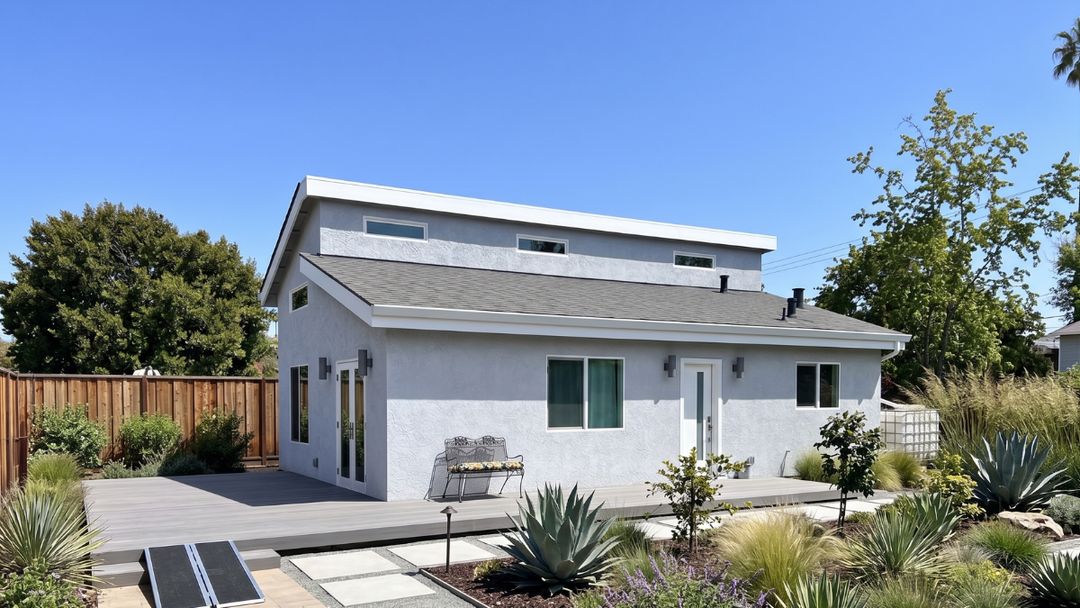
A caregiver ADU can make an enormous difference when someone you love needs more day-to-day support. Having help only a few steps away can make meals, appointments, medications, mobility, and emergencies easier to manage without requiring everyone to share the same house.
The challenge is getting the relationship between the two homes right. A caregiver needs convenient access to the person they are supporting, while both households still need enough separation to live normally. Privacy affects whether the arrangement feels comfortable six months into it, so it deserves as much attention as the bedroom count or kitchen layout.
For Saratoga homeowners, the best caregiver ADU plans begin with the routines that will happen between the two homes and design around them.
Start With How Care Will Actually Work
“Caregiver” can describe very different living arrangements. A family member may move into the ADU to help an aging parent. A professional caregiver may live on-site. One spouse may need additional support while the other remains in the main home. The ADU may eventually become the residence of the older family member instead.
Before choosing a floor plan, think through an ordinary week. How often will someone move between the two homes? Will the caregiver share meals with the family? Is overnight assistance likely? Will medical professionals or other visitors need access? Does the person receiving care need to reach the ADU independently?
Those answers influence the site plan far more than a generic label such as “one-bedroom ADU.”
Acton’s approach begins with how people will actually use the home, including how those needs may change years later. That long-term thinking is part of designing a home that can continue performing as family circumstances evolve.
Close Enough for Care, Separate Enough for Daily Life
A caregiver ADU generally works best when moving between the two homes is easy, but constant visibility can become uncomfortable very quickly.
Imagine a caregiver’s front door opening directly toward the main family patio. Every arrival and departure becomes part of the household’s outdoor activity. Put the ADU living room opposite the main kitchen windows and both households may feel as though they are sharing one large room despite having separate buildings.
Small changes in orientation can create a very different experience. The caregiver entrance might connect to a convenient side pathway. Windows can capture garden views instead of facing directly toward the main residence. Each home can have its own small outdoor area without placing a tall fence between family members who need to see one another regularly.
The objective is comfortable proximity. Someone can be reached quickly when needed while still having a front door they can close at the end of the day.
Privacy Has Several Layers
Homeowners often think of privacy mainly in visual terms, but a long-term caregiver arrangement brings several kinds of privacy into play.
Sound deserves particular attention. A caregiver who works irregular hours may come and go early in the morning or late at night. The main household may entertain while the caregiver is resting. Thoughtful room placement and good sound control make those routines much easier to share over time.
Give the Caregiver a Real Home
A live-in caregiver arrangement can last much longer than initially expected. Designing the ADU as temporary accommodation may save a little space, but it can make the arrangement difficult for the person living there every day.
A comfortable caregiver ADU should have a functional kitchen, useful storage, a living area separate from the bedroom when space permits, a private bathroom, good natural light, and somewhere to spend time outdoors. Laundry access should also be considered carefully. Requiring a professional caregiver to enter the main house every time clothes need washing undermines the independence the ADU is supposed to provide.
These features matter for family caregivers as well. A son, daughter, sibling, or other relative providing care still needs personal space and a normal home life.
A home that respects the caregiver tends to support a healthier arrangement for everyone involved.
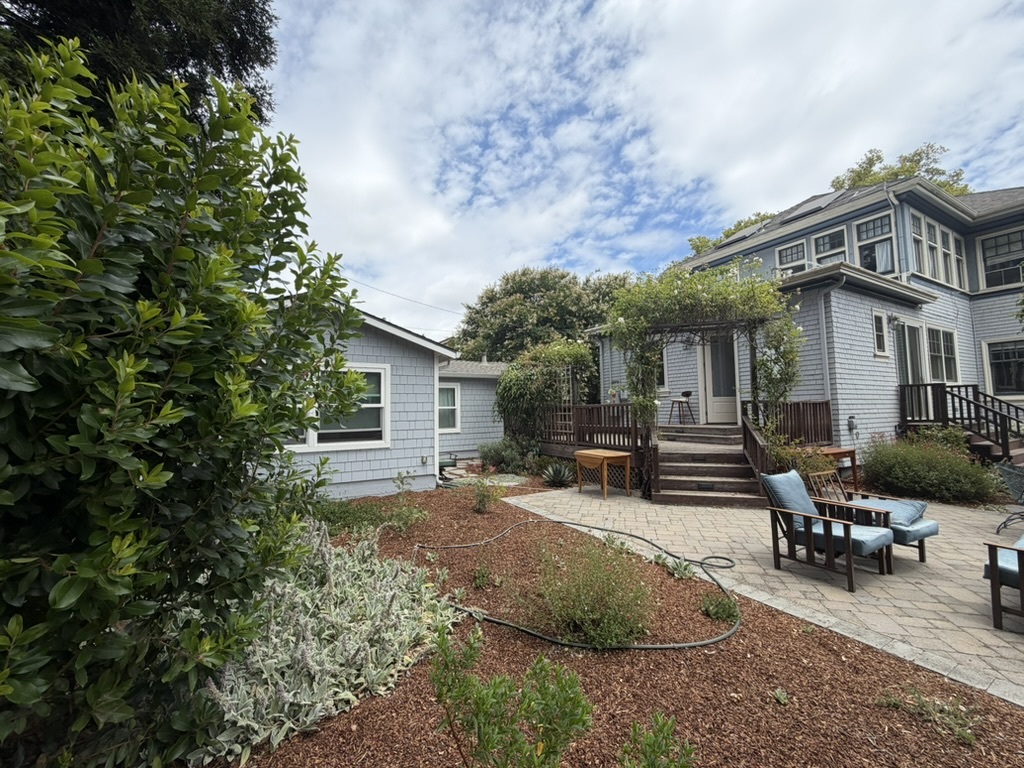
Think About the Person Receiving Care Too
Sometimes the initial plan is for the caregiver to occupy the ADU, but the family later realizes the opposite arrangement works better.
An older parent may eventually prefer the smaller home because it is easier to navigate and maintain. The caregiver or another family member can then remain in the main residence. That possibility is worth considering when planning circulation, bathroom clearances, thresholds, lighting, and access between the buildings.
You do not have to turn every caregiver ADU into a specialized medical environment. Thoughtful choices made during initial design can make the home easier to adapt without creating an institutional feeling.
Useful considerations include wider circulation where practical, an easy route from the bedroom to the bathroom, a shower that can accommodate changing mobility needs, good nighttime lighting, and an entrance that avoids unnecessary steps.
These details can serve guests and future occupants just as well, which helps the ADU remain useful after the original caregiving need changes.
Protect Family Boundaries
Caregiving can blur boundaries even in the best circumstances. When someone lives on the same property, physical design can help maintain healthier routines.
A caregiver should be able to leave work and return to their own space. Parents and adult children living close together should have areas where each household can entertain guests or spend a quiet evening independently. Family members providing unpaid care may benefit from this separation most of all because their personal and caregiving roles can otherwise become difficult to distinguish.
This idea fits closely with Acton’s Family Integrity Planning philosophy: create housing that helps generations remain close while preserving dignity and independence. The goal is to make family support more sustainable over time.
The placement of a door or patio will not solve every family dynamic, but good architecture can remove sources of friction before they develop.
Plan for Life After Caregiving
One of the advantages of building an ADU rather than making a highly specialized alteration to the main residence is that the space can continue serving the property.
When the caregiving chapter ends, the ADU might house an adult child, welcome extended family, become a long-term rental, provide a place for the homeowners to downsize, or support another family member years later.
That future usefulness should influence the design today. Extremely specialized layouts may solve one immediate problem while reducing the home’s appeal later. A complete, attractive residence with thoughtful accessibility features usually offers more options.
Acton describes this ability to adapt over five, twelve, or thirty years as part of what makes a quality ADU valuable.
A Caregiver ADU Deserves Careful Site Planning
Saratoga properties vary considerably, and the distance between two points on a site plan does not tell the whole story. Slopes, landscaping, pathways, utility locations, construction access, and the position of the main residence all influence where a caregiver ADU should go.
This is one reason Acton evaluates the property before recommending a solution. Understanding site-specific conditions early helps homeowners make decisions with a clearer picture of cost, feasibility, and how the completed homes will function together.
For a caregiving project, that evaluation has an added purpose. The best construction location needs to support the human relationship between the buildings as well as the technical requirements of the site.
Build for Closeness That Still Feels Comfortable
A caregiver ADU can give Saratoga families something difficult to achieve with almost any other housing arrangement: immediate access to support without requiring two households to become one.
Acton ADU designs around the people who will actually live in the space. We look at the property, daily routines, future accessibility needs, privacy, and the ways the home may be used after the original caregiving arrangement changes.
Our focus is certainty throughout the process, quality in the finished home, and a residence built to perform for decades.
When caregiving brings people closer, good design gives everyone enough room to remain themselves.