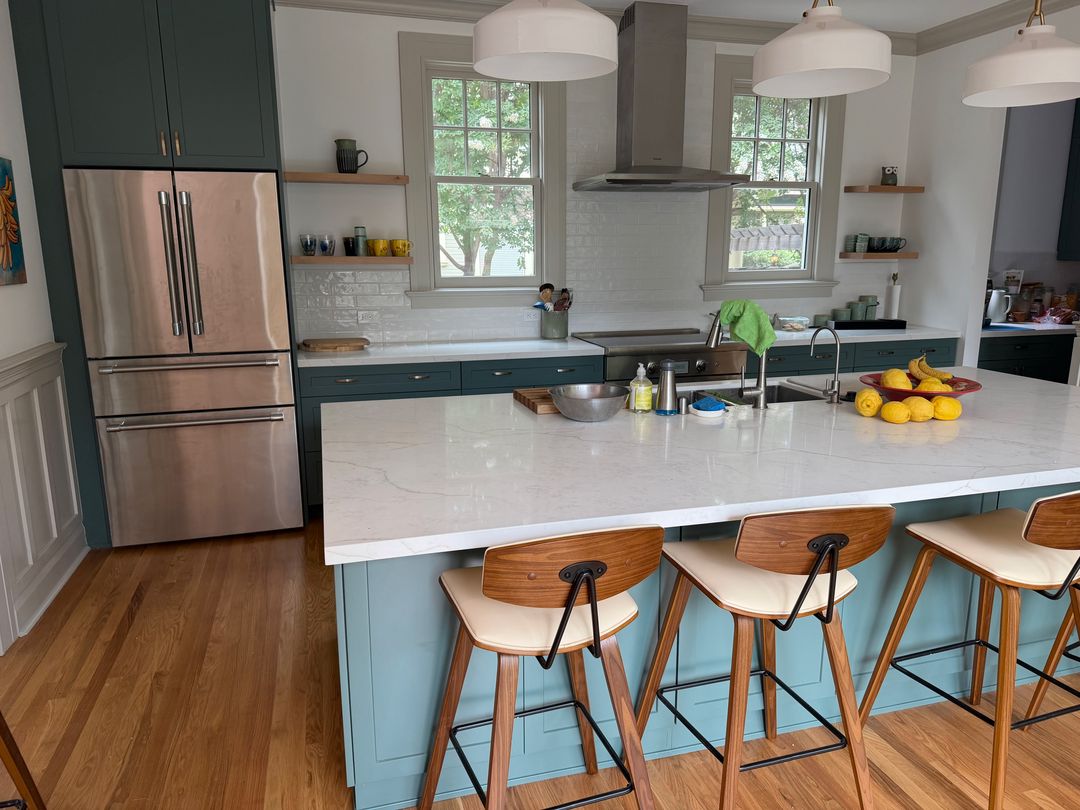
A guest house usually begins with a simple idea. You want a comfortable place for relatives or friends to stay when they visit.
That alone can make the project worthwhile, especially when guests come for more than a weekend. A private bedroom, bathroom, kitchen, and living area make longer visits easier for everyone. Guests can keep their own routines, and the main household does not have to reorganize daily life each time someone arrives.
Still, the most useful San Marino guest houses tend to take on a larger role over time. A space built for visiting family may later help an adult child return home, give an aging parent a safe place to live, accommodate a caregiver, or become a future home for the property owners themselves.
The family changes. A well-planned guest house can change with it.
Think Beyond the Next Visit
It is tempting to plan a guest house around the people who visit most often today. You may picture parents staying for the holidays, siblings visiting with children, or friends spending a few weeks in California.
Those visits provide a good starting point, but families rarely stay in the same stage for long. Children grow up, parents age, careers change, and housing needs appear with little warning.
A guest house may serve several purposes during its lifetime:
The exact sequence will be different for every household. The point is to create a home that remains useful when the original plan changes.
Make Longer Stays Feel Natural
A guest room works well for a few nights. A guest house should support real daily life.
Someone staying for several weeks needs a place to make breakfast, store groceries, take a phone call, do laundry, and spend time alone. They should be able to wake up early or come home late without feeling that they are disrupting the main household.
This independence often improves the time families spend together. Meals and visits become choices rather than obligations created by sharing every room and routine.
A comfortable guest house should include:
- A kitchen suited to regular use
- Storage for clothing, luggage, linens, and household items
- A living area that does not feel like an extension of the bedroom
- A bathroom that is comfortable for guests of different ages
- Good natural light and ventilation
- A private entrance
- A place to sit outdoors
- Enough acoustic separation for both households
These features allow guests to feel welcomed rather than accommodated. They also make the home more suitable for future long-term occupants.
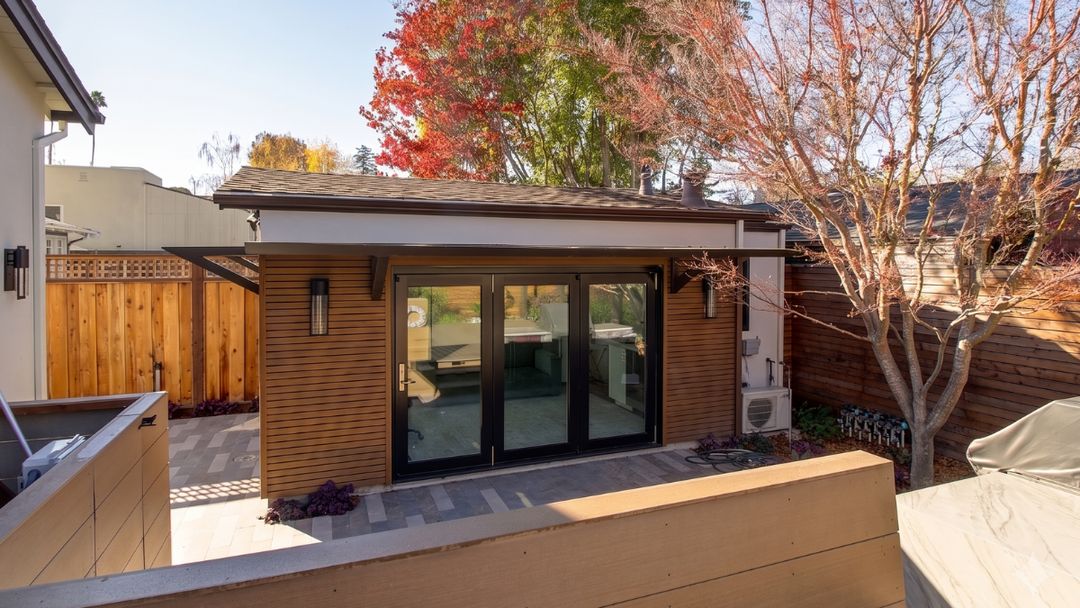
Leave Room for Family Transitions
Some of the most important uses for a guest house are difficult to predict.
An adult child may return home after university while beginning a career. A family member may need temporary housing during a divorce, relocation, or health issue. New grandparents may want to help with a baby for several months. An older relative may be independent today but need more support later.
During these transitions, a private home on the family property can reduce pressure on everyone involved. It creates a place to land without requiring someone to move into the main residence or rush into an expensive housing decision.
The goal is not to plan the guest house around every possible emergency. It is to avoid designing it so narrowly that it only works for occasional visitors.
A complete kitchen, dependable storage, comfortable room proportions, and an independent entrance may seem generous for a weekend guest. They become essential when a stay lasts six months.
Consider How Privacy Changes Over Time
The right amount of separation depends on who is living in the guest house.
Visiting family may enjoy being close to the patio, pool, or main entertaining areas. An adult child living there for a year may want a more independent route in and out. An aging parent may value easy access to the main home while still wanting privacy from family activity.
The design can support these different relationships through thoughtful entrances, pathways, windows, and outdoor areas.
A small private patio can give the occupant a place to read, eat, or welcome a friend. A separate walkway can make the home feel independent without placing it far from the family. Carefully positioned windows can bring in light without creating direct views between the two homes.
Privacy helps family members remain close comfortably. It gives everyone the ability to spend time together and the freedom to step away.
Design for Different Ages
A guest house may welcome people in their twenties, seventies, and every age in between. A few early decisions can make it easier for the home to accommodate them all.
A straightforward route from the entrance to the bedroom and bathroom can support future mobility needs. Wider clearances, fewer level changes, and a bathroom with enough room to move comfortably are useful long before anyone thinks of them as accessibility features.
Lighting also deserves attention. Guests who are unfamiliar with the space need clear pathways at night. Older occupants may need stronger task lighting in the kitchen and bathroom. Easy-to-operate windows, doors, fixtures, and controls improve the home for everyone.
These features do not have to make the guest house feel institutional. When they are incorporated from the beginning, they simply make the home more comfortable.
Give the Home Its Own Personality
A guest house should relate to the main residence, but it does not need to feel like a reduced copy of it.
San Marino properties often have strong architectural identities. The guest house can respect that character through its proportions, roofline, materials, windows, and exterior details while developing an atmosphere of its own.
Inside, the home may be lighter, simpler, or more contemporary than the main residence. It can reflect the way a smaller space is used without feeling secondary.
This is where thoughtful design creates charm. A window seat, a garden view, built-in storage, a welcoming entry, or a well-proportioned living area can give the home a memorable quality. Guests may arrive for a short stay, but the space should feel considered enough for someone to make it home.
Family Value Builds Over Time
A guest house can add measurable property value and may eventually produce rental income. Its day-to-day family value can be equally meaningful.
It may reduce hotel costs during frequent visits. It can help an adult child save money while establishing a career. It may allow parents to remain close instead of moving into unfamiliar housing. It can support childcare, caregiving, and extended family visits without placing every responsibility inside the main home.
Later, the guest house may become a downsizing option for the homeowners. Moving into a smaller residence on the same property can preserve familiar surroundings, community ties, and proximity to family while making the main home available for another generation.
This flexibility is part of what makes a well-built guest house a long-term asset. The value grows through the different roles the home is able to serve.
Create a Place That Keeps Family Close
Acton ADU’s Family Integrity Planning approach begins with the people the home is meant to support. We ask how the space may be used now, what the family could need later, and which design decisions will preserve the most options over time.
From there, we study the property, develop the right plan, and build a complete home with the quality required for decades of use. Homeowners know what to expect throughout the process, and the finished guest house is designed to earn its place on the property.
A San Marino guest house may begin as a place for occasional visitors. With the right planning, it can become a home for returning children, parents, caregivers, grandchildren, or the homeowners themselves.
Build it for the guests you know are coming. Design it for the family life you have not reached yet.