.png)


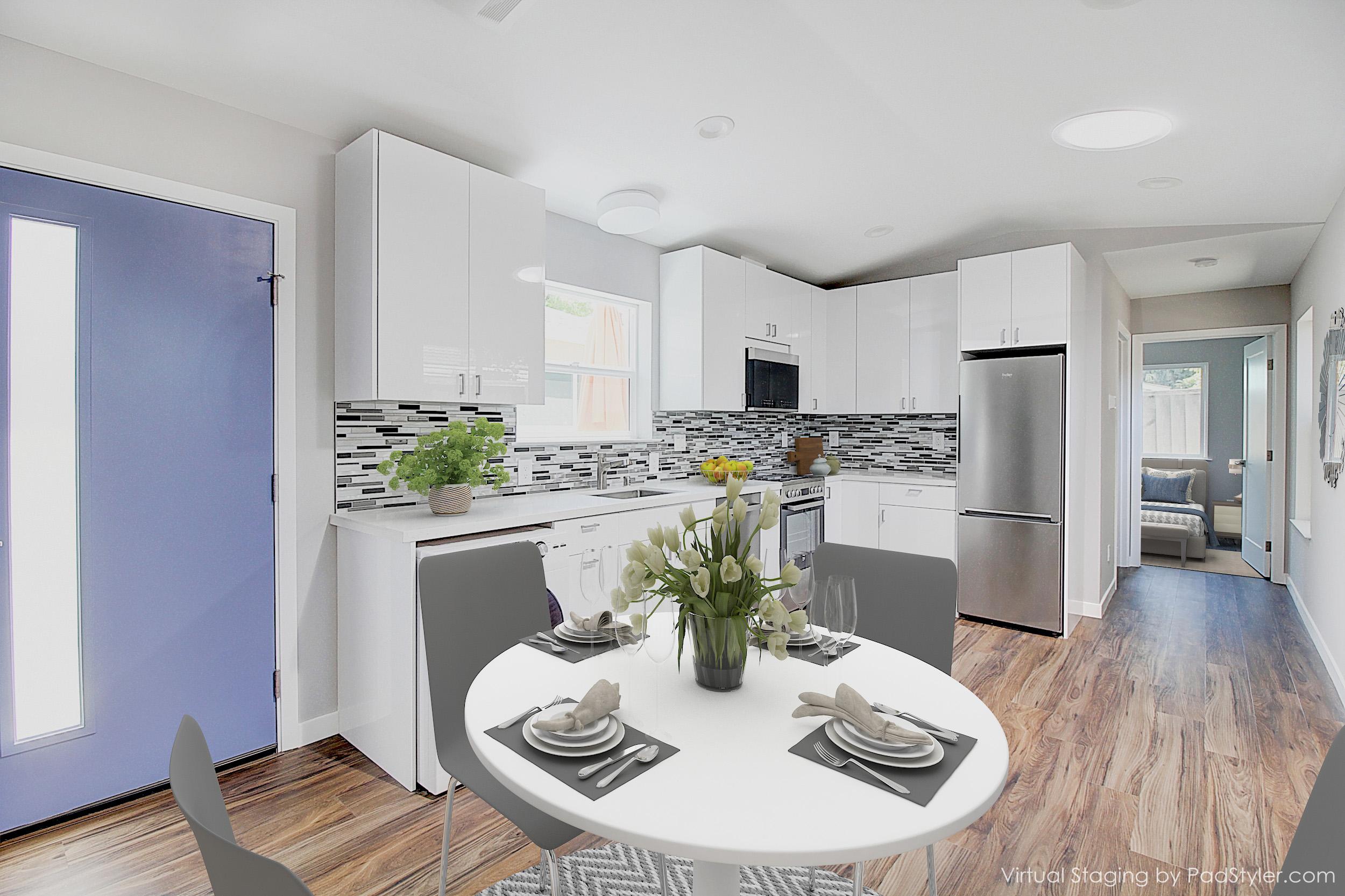
Remodeling a home in the Bay Area has never been a small decision. With property values among the highest in the country, every renovation choice carries long-term implications for livability, equity, and family use. In 2026, that reality is pushing homeowners to think beyond surface-level upgrades and toward remodeling strategies that future-proof their homes.
Across Silicon Valley and the surrounding Bay Area, remodeling is no longer just about aesthetics. It is about functionality, flexibility, and resilience. Homeowners want spaces that support multi-generational living, remote work, energy efficiency, and evolving family needs, all while navigating increasingly complex permitting processes.
With more than 35 years of experience, Acton ADU has seen how long-term thinking separates successful remodels from costly do-overs. Understanding where trends are headed and how long projects actually take is the first step to building with confidence.
The Evolution of Bay Area Homes: Design Trends for 2026
Home design across the region is responding to real lifestyle shifts. Rising housing costs, aging parents, adult children living at home, and long-term remote work have all reshaped what homeowners expect from a remodel.
The most notable Bay Area home remodeling trends for 2026 include:
- Multi-generational living solutions
ADUs and Junior ADUs are becoming standard components of remodeling plans rather than afterthoughts. Many homeowners are combining interior remodels with backyard cottages to support family living now and rental or aging-in-place options later.
- Quiet luxury and sustainability
Instead of flashy finishes, homeowners are investing in durable materials, thoughtful craftsmanship, and energy-efficient systems. Full electrification, high-performance windows, and Title 24 compliance are baseline expectations rather than upgrades.
- Flexible room usage
Spaces are designed to adapt over time. Home offices convert to guest rooms, wellness spaces, or secondary bedrooms. This flexibility protects value as needs change.
- Indoor-outdoor integration
Maximizing usable space on smaller lots is driving demand for seamless indoor-outdoor connections. Large sliding doors, covered patios, and shared outdoor living areas extend the home without increasing footprint.
- Smart home infrastructure
Robust electrical capacity, data wiring, and smart systems are being planned upfront. Homeowners expect their remodeled homes to support future technology without additional disruption.
These trends share a common theme. Remodeling is being treated as a strategic investment rather than a short-term refresh.

Setting Realistic Timelines for Permitting and Construction
One of the most common sources of frustration is unrealistic timeline expectations. Online estimates often understate how long permitting and construction actually take in the Bay Area.
Several factors influence the timeline:
- City-specific permitting backlogs
- Scope of work, cosmetic versus structural
- Whether the project includes an ADU
- Site conditions and utility requirements
It is helpful to think of remodeling timelines in three distinct phases: feasibility, pre-construction, and construction. Each phase builds on the last, and delays early in the process often ripple forward.
Cosmetic remodels such as kitchens or bathrooms can move faster, while structural changes, additions, or ADU construction naturally extend the timeline. Understanding this distinction helps homeowners plan realistically and avoid unnecessary stress.
The Pre-Construction Phase: Where Success is Planned
The majority of a Bay Area remodeling timeline happens before construction begins.
This phase is where expectations are set and risks are reduced.
Design and Engineering (2-3 months)
Layouts are finalized, structural engineering is completed, and energy calculations are prepared. For projects involving ADUs or major structural changes, this phase ensures compliance with Title 24 and local building codes. Much faster for Build Ready ADUs.
Permitting (3-5 months)
Permitting timelines vary widely by city. San Jose often moves faster than smaller jurisdictions or unincorporated areas, but all Bay Area cities experience backlogs. Projects that include ADUs, additions, or utility upgrades require additional review.
Construction (4-5 months)
Once permits are issued, physical construction begins. Weather, material availability, and project complexity all affect duration. Coordinating inspections and maintaining quality control are critical to staying on schedule.
Acton ADU’s Build Ready ADUs and streamlined processes can reduce portions of this timeline by minimizing design revisions and aligning plans closely with local requirements. While custom builds offer maximum flexibility, pre-vetted options can shorten approval times when speed is a priority.
Why Local Expertise Matters in Construction Management
Every city in the Bay Area has its own interpretation of zoning, setbacks, and building codes. Without local familiarity, even well-designed projects can stall.
Experienced home remodeling contractors in the Bay Area understand how to:
- Anticipate city-specific review concerns
- Coordinate utilities and inspections efficiently
- Manage sequencing to avoid downtime
- Maintain quality control to reduce change orders
A unified design-build approach further simplifies the process. When design, permitting, and construction are handled by one team, communication gaps shrink and accountability improves. This integration is especially valuable for homeowners combining interior remodeling with ADU construction.
Acton ADU’s long-standing presence in the region allows issues to be addressed proactively rather than reactively. That experience translates directly into smoother timelines and fewer surprises.
Build It Once, Build It Right
Remodeling in the Bay Area is an opportunity to align your home with how you live today and how you plan to live in the future. In 2026, the most successful projects are those that balance emerging design trends with realistic expectations about time, cost, and complexity.
Future-proof remodeling focuses on flexibility, energy efficiency, and multi-generational use. It recognizes that quality planning and experienced execution matter as much as design choices.
With decades of experience guiding homeowners through feasibility, permitting, and construction, Acton ADU helps ensure projects are built to last. Starting early, planning thoroughly, and working with a local expert allows you to build once and build it right.
Contact Acton ADU today to discuss your vision and get a realistic estimate on your project’s feasibility and timeline.