.png)


Building an accessory dwelling unit is one of the most flexible ways to add space and long-term value to a Bay Area property. But the difference between a smooth, rewarding project and a frustrating experience often comes down to the decisions made before design even begins.
Too many homeowners jump straight into floor plans and finishes. The smarter approach is to step back and clarify the foundational decisions that shape budget, layout, timeline, and long-term use.
When these early decisions are made thoughtfully, homeowners are far more likely to achieve strong long-term financial performance from the ADU as well as a smoother building experience.
If you are considering an ADU, these are the first five decisions that deserve serious thought.
Decision 1: Clarify the Primary Purpose of the ADU
Before discussing size or style, define the core purpose.
Rental Income
If the goal is generating consistent rental income, design choices should prioritize privacy, efficient layouts, durable finishes, and features that attract strong tenants.
Thoughtful layouts and durable materials can improve rental yield while helping reduce long-term maintenance costs.
Family Housing
If the ADU is intended for aging parents or adult children, accessibility, comfort, and emotional independence become central design priorities.
A well-designed ADU can provide private, independent living space while keeping family close.
Long-Term Flexibility
Some homeowners want an ADU that can shift between uses over time. In this case, flexibility should guide layout and infrastructure decisions from the beginning.
Designing with flexibility in mind protects the long-term value of the property by ensuring the space remains useful for different stages of life.
A clear primary purpose simplifies every decision that follows.
Decision 2: Determine Your Budget Range Early
An ADU is a meaningful investment. Establishing a realistic budget range early prevents frustration later.
All-In Cost Awareness
Costs include more than construction. Site work, utility upgrades, engineering, and permitting all contribute to the final investment.
Understanding the full project scope early helps reduce financial surprises and protects the overall timeline of the project.
Align Expectations With Market Reality
High-end Bay Area markets often justify higher-quality finishes and more durable materials.
Investing in stronger construction and durable materials often improves long-term performance by lowering lifecycle costs and supporting higher property value.
Cutting corners to reduce upfront cost can increase long-term maintenance and reduce property value.
A well-defined budget creates guardrails that protect both timeline and design integrity.
Decision 3: Choose Between Custom and Build-Ready
One of the most important early decisions is whether to pursue a fully custom design or a build-ready plan.
Custom ADUs
Ideal for unique lots, estate properties, or homeowners who want architecture tailored specifically to the main residence.
Build-Ready ADUs
Best for homeowners who value predictable pricing, faster timelines, and proven floor plans.
Because these plans are refined through repeated construction, build-ready ADUs often reduce design revisions and help mitigate construction risks.
Understanding which path fits your property and priorities streamlines the process and reduces redesign cycles.
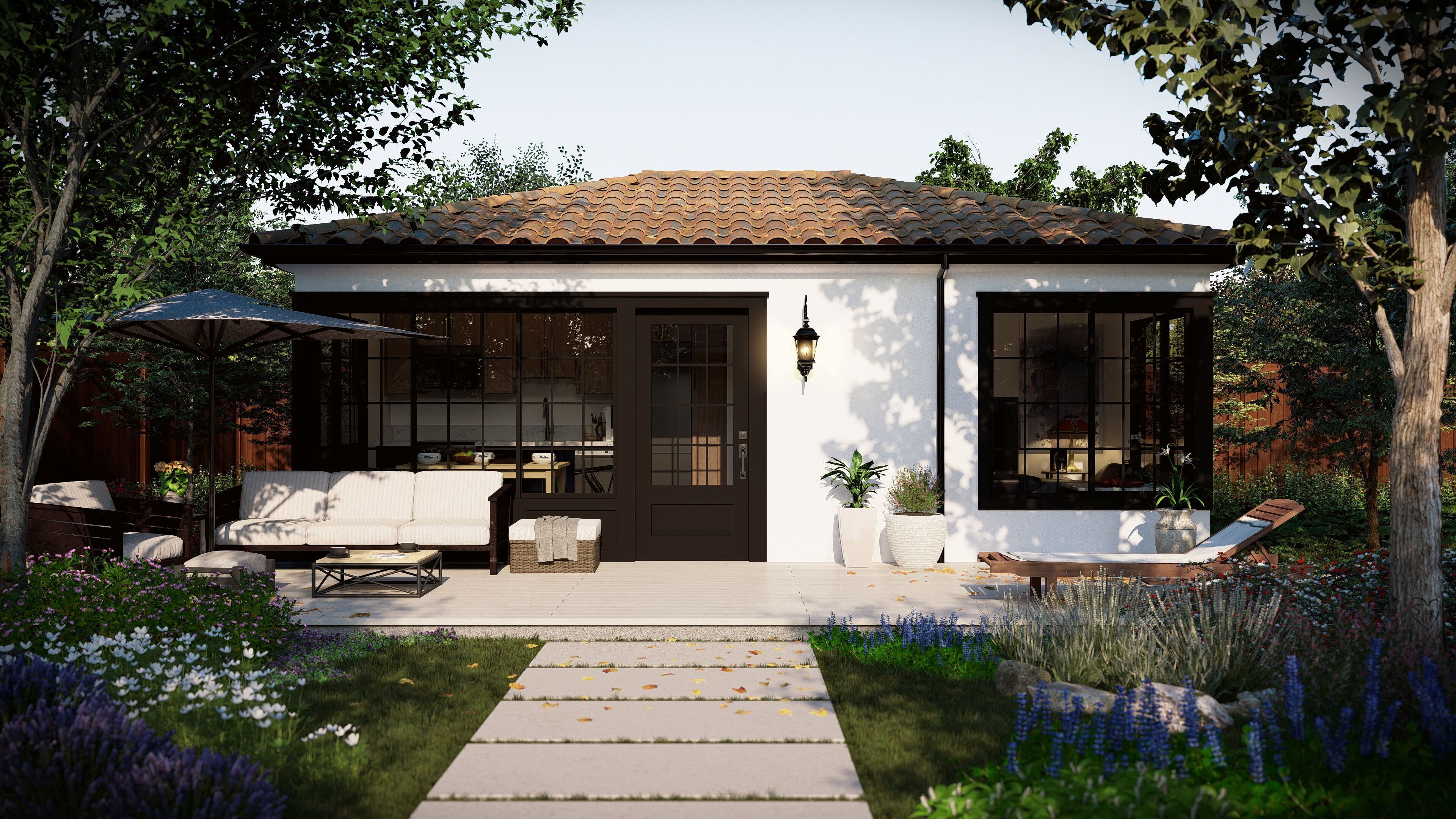
Decision 4: Evaluate Site Feasibility Before Design
Every lot has constraints. Setbacks, slope, tree protection, and utility capacity all influence what is realistically buildable.
A professional feasibility review helps answer key questions:
- Where should the ADU be placed?
- What size makes sense for the lot?
- Are utility upgrades required?
- Are there grading or drainage considerations?
Addressing these factors early reduces the risk of costly redesigns, construction delays, and permitting challenges.
Decision 5: Think 10 to 20 Years Ahead
An ADU is rarely a short-term decision. The smartest projects consider how needs may evolve over the next decade or more.
Aging in Place
Will you or a family member eventually use the ADU as a primary residence?
Property Value
How will the ADU impact resale potential in your specific neighborhood?
Maintenance and Durability
Materials and construction quality influence operating costs long after the project is complete.
Durable materials and thoughtful construction help reduce lifecycle maintenance costs while protecting the long-term performance of the ADU.
Designing with long-term adaptability in mind protects your investment.
A Strategic Start Leads to a Stronger Outcome
Building an ADU in the Bay Area is not simply about adding square footage. It is about adding flexibility, value, and long-term functionality to your property.
Homeowners who clarify purpose, define budget, choose the right design path, evaluate feasibility, and plan for the future consistently experience smoother projects and better outcomes.
The most successful ADU projects combine thoughtful design, professional execution, and long-term planning to deliver stronger financial performance over time.
Before selecting finishes or reviewing floor plans, take the time to make these five foundational decisions. They will shape every stage of the process and determine how well your ADU serves you for years to come.