.png)


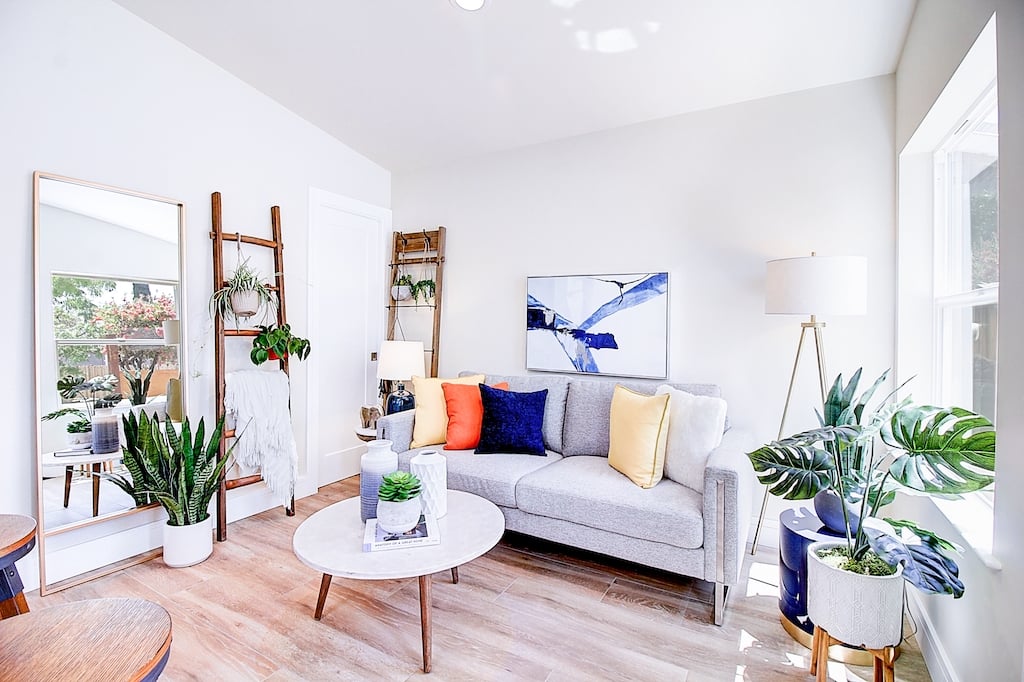
Adult children moving back home is no longer a temporary detour. Across the Bay Area in 2026, it has become a practical, strategic response to housing costs, career transitions, and changing family dynamics. The challenge for many parents is not whether to help, but how to do it without sacrificing privacy, independence, or long-term financial sense.
A well-designed accessory dwelling unit offers a clear solution. Unlike shared living under one roof, an ADU allows adult children to live independently while staying close to family support. For homeowners, it turns a short-term housing challenge into a permanent asset that adapts as family needs evolve.
With more than 35 years of experience navigating Bay Area regulations, Acton ADU has helped countless families create backyard homes that support boomerang kids today and deliver value for decades to come.
Why the Nest is Filling Up Again: The 2026 Bay Area Housing Reality
Bottom line up front: Adult children are returning home in record numbers because Bay Area housing costs and life transitions make independence financially unrealistic in 2026.
The cost of living in the Bay Area continues to outpace wage growth, especially for early- and mid-career professionals. Rent for modest apartments consumes a disproportionate share of income, even for well-educated adults with stable jobs. For families, this often leads to a difficult choice between watching children struggle financially or inviting them back home.
Remote and hybrid work has also reshaped expectations. Many adult children can work from anywhere, but they still need quiet, dedicated space. Childhood bedrooms rarely meet the needs of full-time professional life, especially when video calls and flexible schedules are involved.
Student loan debt compounds the issue. Monthly payments combined with Bay Area rents leave little room for saving or long-term planning. Returning home allows adult children to reset financially without abandoning independence entirely.
What once felt like a step backward is now widely viewed as a smart, multi-generational strategy. Families are recognizing that multi-generational living can preserve wealth, strengthen relationships, and offer flexibility during uncertain economic cycles. In this context, a backyard ADU becomes a proactive solution rather than a reactive compromise.
Balancing Togetherness and Autonomy
Bottom line up front: Families maintain privacy when boomerang kids move back home by designing ADUs that function as true standalone residences.
Privacy concerns are often the biggest emotional hurdle. Parents value their routines, and adult children want autonomy. A properly designed ADU addresses this from the ground up.
Private Entrances and Pathways
Separate entrances are essential. Independent walkways and gates allow adult children to come and go without crossing the main home’s living areas. This small design choice has a significant impact on daily comfort and boundaries.
Strategic Orientation and Window Placement
ADUs should be positioned to avoid direct sightlines into the main house. Window placement, setbacks, and orientation reduce the feeling of being watched while still allowing natural light. Frosted or clerestory windows can be used where privacy is critical.
Landscaping as a Buffer
Thoughtful landscaping creates natural separation. Hedges, fencing, and layered plantings define space without feeling restrictive. Private patios exclusive to the ADU reinforce the sense of having one’s own home.
Soundproofing for Daily Life
Noise privacy matters as much as visual separation. Enhanced insulation, high-performance windows, and mindful placement of bedrooms and living areas reduce sound transfer. These measures support different schedules and lifestyles under one property.
Clear Boundaries by Design
Design supports boundaries that conversations alone cannot enforce. Separate entrances, outdoor spaces, and utilities help both generations feel respected and independent, reducing friction over time.

Designing for Independence: Essential Features for Adult Living
Bottom line up front: An ADU for an adult child must function as a complete home, not a guest space.
Boomerang kids are adults with established routines, careers, and belongings. Their ADU should reflect that reality.
Full-Size Appliances and Living Spaces
Kitchen design is critical. Full-size appliances allow real cooking, meal prep, and entertaining. Compact kitchenettes may suffice for guests, but they fall short for long-term living.
Dedicated Workspace
Remote and hybrid work make a dedicated office or work nook essential. Built-in desks, proper lighting, and acoustic separation support productivity without encroaching on living areas.
Storage That Matches Adult Life
Adults come with furniture, hobbies, and possessions. Walk-in closets, built-in cabinetry, and thoughtful storage prevent clutter and support long-term comfort.
Independent Infrastructure
High-speed internet infrastructure should be robust and reliable. In many cases, separate networking ensures work-from-home needs are met without straining the main household’s system.
Future-Proofing Through Universal Design
Designing with flexibility benefits the entire family. Universal design elements allow the ADU to transition seamlessly if aging parents later occupy the space. This future-proofing preserves value and usability over time.
Can They Live Fully? Kitchens, Laundry, and Legalities
Bottom line up front: Yes, Bay Area ADUs can legally include full kitchens and in-unit laundry, and these features are standard for independent living.
Many homeowners worry that regulations limit how complete an ADU can be. In reality, detached ADUs across the Bay Area are permitted to include full kitchens with stoves, ovens, sinks, and refrigeration.
In-unit laundry is also allowed and strongly recommended for adult autonomy. Relying on shared laundry undermines independence and reintroduces friction.
It is important to distinguish between Junior ADUs (JADUs) and detached ADUs. JADUs often have efficient kitchens and share utilities, while detached ADUs are designed as complete residences.
Utility planning ensures these amenities fit comfortably within the footprint. Experienced designers maximize layouts so kitchens and laundry areas feel integrated rather than cramped. Acton ADU’s expertise in space-smart design allows full functionality without sacrificing comfort or aesthetics.
The Financial Equation: Building Equity vs. Paying Rent
Bottom line up front: Building an ADU often delivers better long-term ROI than paying rent for an adult child.
Paying rent is a sunk cost. Once the check is written, the money is gone. An ADU, by contrast, converts housing support into an appreciating asset.
Below is a simplified comparison illustrating the difference over five years. Actual numbers vary by project and financing terms, but the principle holds across most Bay Area markets.
Scenario
Monthly Cost
15-Year Total
Long-Term Outcome
Paying Rent for Adult Child / family member
$2,500-3,500
$450,000–$630,000
No equity, no asset, money out
Financing an ADU
$1,500-3,500
$270,000–$630,000
Permanent asset, increased property value, rental opportunity
Beyond numbers, families are effectively keeping money within the household rather than transferring it to landlords. Over time, permitted ADUs often increase overall property value and expand future options.
Flexibility is another key advantage. When the adult child moves on, the ADU can generate rental income, house aging parents, or serve as a home office or guest suite. This adaptability strengthens ROI beyond simple cash flow comparisons.
There may also be tax considerations if the adult child contributes rent, even below market rates. Consulting a tax professional helps families understand potential deductions or income implications.
Navigating the Red Tape: Permits, Process, and Difficult Lots
Bottom line up front: Acton ADU manages the entire permitting process, including complex Bay Area lots that other builders avoid.
Bay Area construction is rarely straightforward. Hillsides, easements, utility constraints, and strict setback rules can derail projects without experienced oversight.
Acton ADU provides end-to-end management:
- Feasibility analysis to confirm what is possible
- Custom or Build Ready design options tailored to the lot
- Full permitting coordination with cities and agencies
- Construction management through final inspection
Difficult lots are not an exception. They are common across the region. Years of local experience allow Acton ADU to anticipate challenges and address them early, reducing delays and surprises.
Having a single point of contact throughout the process simplifies communication and accountability. Families can focus on planning their next chapter while the technical details are handled by experts.
As Acton ADU experts often explain, experience is not just about building homes. It is about understanding how Bay Area regulations work in practice.
A Smarter Way to Support the Boomerang Generation
Boomerang kids are part of a broader shift toward intentional, multi-generational living. The question is not whether families will face this situation, but how they choose to respond.
A thoughtfully designed Bay Area ADU offers independence, privacy, and dignity for adult children while protecting the lifestyle and financial goals of parents. It transforms a short-term housing challenge into a lasting investment that adapts over time.
With decades of experience, Acton ADU helps families navigate complexity with clarity and confidence. From feasibility to move-in, their process ensures backyard homes are built right the first time.
Is your family ready for the next chapter? Schedule a free site feasibility consultation with Acton ADU today to explore how a backyard home can bring your family together while keeping your independence apart.