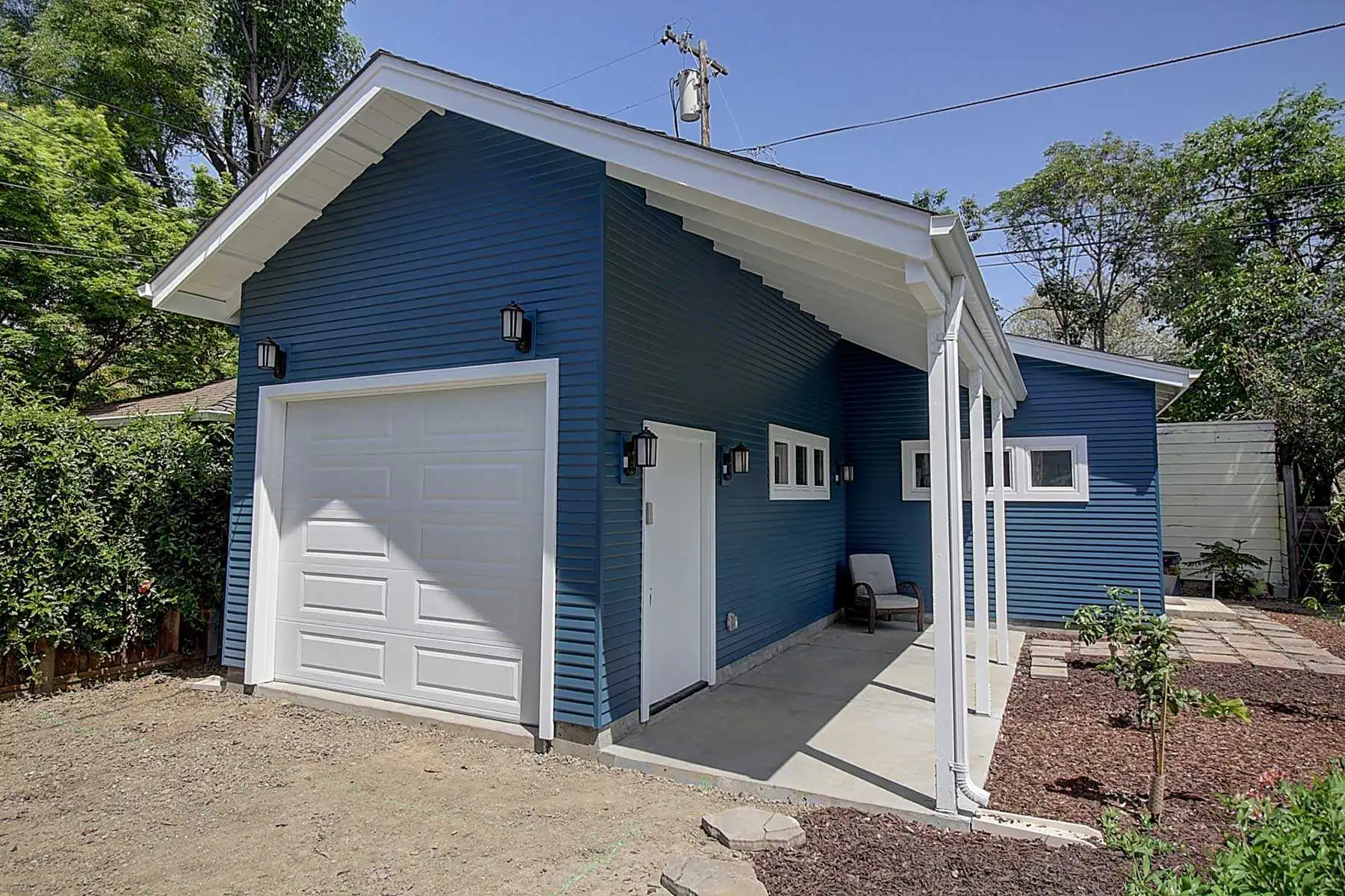
A prefab ADU can look like the simple choice at the start. The model is already designed. The price feels easier to compare. The timeline sounds shorter. For a homeowner trying to add a backyard home without turning the property into a full construction zone, the appeal is obvious.
But an ADU is not just a product you buy once. It is a home you live with for decades.
The real test often comes much later, when the roof starts to age, the water heater needs replacement, a leak appears inside a wall, the electrical system needs an upgrade, or the foundation has settled just enough to make doors stick and drywall crack. At that point, the question is no longer, “How fast can this be installed?” The question becomes, “How easy is this to repair?”
That is the 15-year reality many homeowners do not think about when comparing prefab ADU repairs with a custom, site-built backyard home.
The True Lifespan of a Prefab ADU on a Permanent Foundation
How long do prefabricated ADUs actually last on a permanent foundation?
A well-built prefab ADU can last for decades when it is properly designed, installed, maintained, and supported by a sound foundation. The issue is not that every prefab ADU fails early. The issue is that long-term serviceability can vary widely depending on the system, manufacturer, materials, foundation, and access to replacement parts.
A permanent foundation gives a prefab ADU a stronger long-term start than a temporary or poorly supported installation. But the foundation is only one part of the story. The structure still depends on the quality of the factory build, how well the modules or panels were joined on site, how the roof and exterior envelope perform, and whether future contractors can easily access the systems inside.
What happens to a prefab ADU when it needs major repairs 15 years later?
Around the 15-year mark, several major home systems may begin reaching replacement age at the same time. Water heaters, HVAC equipment, roofing components, exterior caulking, appliances, vents, windows, and plumbing connections can all start demanding attention. Cosmetic wear is expected. Major system failure is different.
Cosmetic wear might mean repainting, replacing flooring, or updating fixtures. Major failure might mean water behind a wall, roof leaks, foundation movement, electrical limitations, or structural concerns. In a conventional home, local contractors are usually familiar with the framing, access points, materials, and repair methods. In some prefab systems, especially those with proprietary assemblies or closed-wall construction, repairs can require more investigation before the real work even begins.
That is why the first price comparison is not always the most important one. The long-term question is whether the ADU can be maintained like a normal home or whether every major repair becomes a puzzle.
Foundation Settling and Structural Integrity Over a Decade
How does foundation settling impact the structural integrity of a modular guest house after a decade?
Soil moves. Moisture levels change. Seasonal expansion and contraction can affect the ground under any structure. After 10 to 15 years, small changes in the foundation can show up as cracks, uneven floors, sticking doors, gaps around trim, or windows that do not open smoothly.
This can happen in both site-built and prefab construction. The concern with modular or prefab units is that the structure may be more rigid in certain areas because it was built, transported, and set as a unit or as large sections. When the foundation shifts, stress can transfer through connections, seams, wall panels, and rooflines. Even small movement can create problems if the original installation did not account for soil, drainage, grading, and long-term load paths.
Do ADU builder warranties typically cover foundation shifting or structural sagging after 10 years?
Homeowners should read their specific contract carefully. Some builders offer limited warranty coverage for certain structural issues, but coverage is never unlimited. In California, construction defect claims have important time limits, and many homeowners discover that the party responsible for a 15-year-old issue is not simple to identify.
That matters because the financial responsibility often shifts over time. After the warranty period or legal claim window is gone, the homeowner may be paying for investigations, engineering, foundation repair, interior repair, and finish restoration out of pocket.
Warning signs worth taking seriously include:
- New or widening drywall cracks
- Doors or windows that suddenly stick
- Sloping or bouncy floors
- Gaps between walls, ceilings, and trim
- Water pooling near the foundation
- Exterior cracks around corners, seams, or openings
The worst time to notice these signs is after they have been developing quietly for years.
Accessing Systems, Plumbing, Electrical, and Factory-Sealed Walls
How do plumbers access and fix leaks inside factory-sealed prefab ADU walls?
Carefully, and sometimes with more uncertainty than homeowners expect.
In a traditional stick-built ADU, plumbers and electricians are generally working with familiar wall cavities, standard framing, and predictable access. If there is a leak, the contractor can usually open the affected area, locate the line, repair the pipe, dry the cavity, replace insulation, and restore the wall.
With some prefab or modular systems, the wall assembly may be less straightforward. A unit may include factory-sealed panels, specialized insulation, tight service chases, or components that were assembled before the unit arrived on site. That does not make repairs impossible. It does mean the contractor may need to understand how the unit was built before cutting into the wall.
The risk is not only the leak itself. It is what happens if the repair compromises insulation, vapor control, structural panels, fire rating, or the original assembly. If the manufacturer uses a proprietary system, the homeowner may need documentation, approved repair instructions, or specialized parts.
Electrical upgrades can create a similar problem.
Is it possible to easily upgrade the electrical panel or remodel the layout of an older modular unit?
Sometimes, yes. But “easy” depends on how the ADU was designed. A 15-year-old ADU may not have been planned for future EV charging, high-demand appliances, expanded HVAC, smart home systems, or a layout change. If wiring paths are hard to reach or walls are difficult to modify, the cost and disruption can rise quickly.
Layout remodeling can be even more complex. Moving walls in an older modular unit may affect structural connections, ceiling spans, plumbing runs, ventilation, or factory-built assemblies. A remodel that seems simple in a conventional home can become complicated if the ADU was not designed with future flexibility in mind.
This is where serviceability becomes part of quality. A home is not only well built when it looks good on day one. It is well built when it can be maintained, repaired, and improved years later.
Sourcing Materials and Finding Qualified Contractors Years Later
Will I be able to find matching replacement materials for a modular backyard home after 15 years?
Maybe. But it is not guaranteed.
Siding profiles change. Windows get discontinued. Trim packages disappear. Cabinet lines are retired. Exterior panels, proprietary connectors, roofing details, and factory finishes can become difficult to match once a manufacturer changes suppliers or stops producing a model.
This can create an “orphaned unit” problem. If the original prefab company closes, changes ownership, discontinues the product line, or no longer supports older units, the homeowner may be left trying to recreate parts of a system without factory support. A local contractor may still be able to help, but matching the original appearance and assembly can take more time.
Can standard local contractors repair structural issues in a prefab unit, or do I need the original manufacturer?
For basic items, local contractors may be able to handle repairs. Painting, flooring, fixtures, appliances, simple plumbing, and many exterior repairs may not require the original manufacturer. Structural issues are different. If a contractor is unsure how the unit was engineered or connected, they may be reluctant to take liability for opening, altering, or reinforcing the structure.
The best way to reduce this risk is to keep detailed records from day one. Every ADU owner should save:
- Original plans and engineering documents
- Product manuals and model numbers
- Window, siding, roofing, and trim specifications
- Paint colors and finish schedules
- Plumbing and electrical diagrams
- Manufacturer contact information
- Warranty documents and service records
If you already own a prefab ADU, this materials ledger can make future repairs less stressful. If you are still choosing an ADU builder, ask how easy the home will be to repair if the original company is not available 15 years from now.
Experience matters
Acton ADU has spent 35+ years building California homes and backyard residences with long-term ownership in mind. The materials, construction methods, and documentation are not treated like short-term product details. They are part of building a real home that future contractors can understand, maintain, and improve decades later.
Financial Realities, Maintenance Costs and Insurance Coverage
What are the typical out-of-pocket maintenance costs for an ADU hitting the 15-year mark?
The honest answer is that it depends on size, materials, climate, maintenance history, and the quality of the original build. But the categories are predictable.
A homeowner may need to budget for:
- Water heater replacement
- HVAC repair or replacement
- Roof repairs or partial replacement
- Window and door sealing
- Exterior painting or siding repair
- Plumbing leak investigation
- Electrical upgrades
- Appliance replacement
- Drainage or grading corrections
- Interior repairs after water intrusion
The scary part is not one maintenance item. It is several arriving close together. A roof leak can lead to drywall repair. A plumbing issue can lead to cabinet damage. A foundation problem can lead to door, flooring, and finish repair. A small issue becomes expensive when access is difficult or damage stays hidden.
Does standard homeowners insurance cover water damage or roof leaks in an aging prefab ADU?
Insurance usually depends on the cause. Sudden and accidental damage may be covered. Gradual wear, poor maintenance, long-term seepage, repeated leaks, or deterioration are often excluded. That distinction can become a major problem if a factory-sealed wall hides a slow leak until the damage is extensive.
Homeowners should also confirm how the ADU is covered under their policy. Do not assume the structure, contents, rental use, guest use, or detached building limits are automatically handled the way you expect. Ask your insurance provider whether your ADU needs specific policy language, higher coverage limits, or additional endorsements.
A smart long-term budget should treat ADU maintenance like home maintenance, not appliance maintenance. Set aside funds each year, inspect the unit regularly, and address water, roof, and foundation issues early. Waiting can turn a manageable repair into a major out-of-pocket surprise.
Custom Builds vs. Prefab Kits and the Acton ADU Advantage
Are Acton ADU custom builds designed to handle major structural remodeling decades down the line?
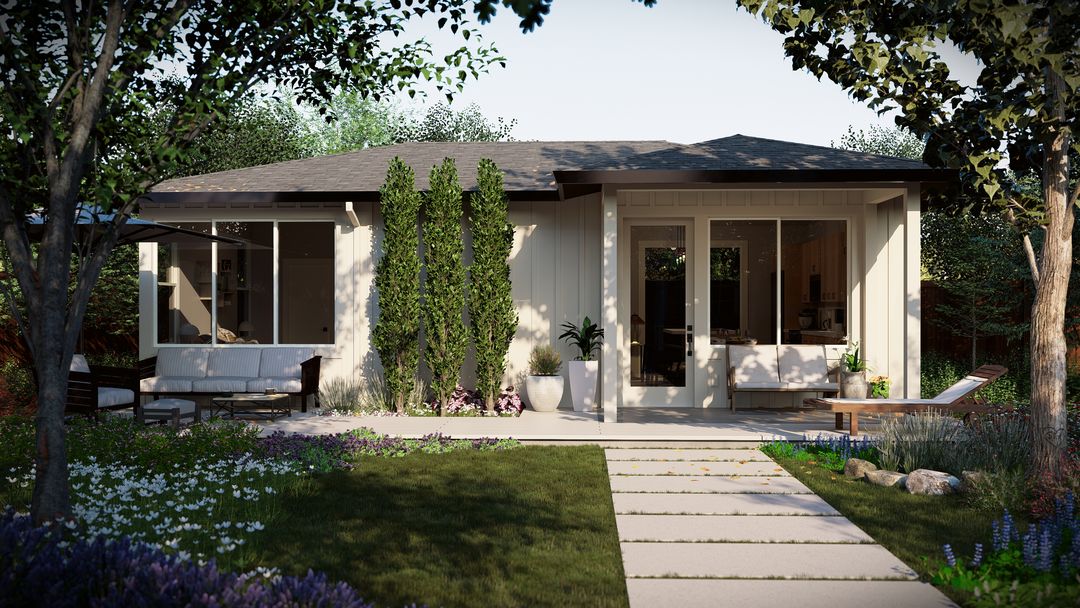
Acton ADU’s approach is built around permanent, site-specific backyard homes. The goal is not just to get a unit installed. The goal is to build a real home that fits the property, supports long-term use, and can be maintained with familiar construction methods.
That matters because standard building materials are easier to identify, source, repair, and remodel. A site-built ADU constructed with conventional methods gives future contractors a clearer path when systems need service or a layout needs to evolve. The walls, framing, roof, utilities, and finishes are not treated like a closed product. They are part of a home built for long-term ownership.
Acton ADU brings 35+ years of California design-build experience to backyard homes. Homeowners can explore custom ADUs designed around each property, compare more streamlined Build Ready ADU options, and review completed projects in Acton ADU’s work portfolio. Each path is grounded in the same idea: build it once, build it right.
Does choosing Acton ADU over a standard prefab kit actually save money on long-term repair costs?
No builder can promise that a homeowner will never face repairs. Every home needs maintenance. But choosing a high-quality, site-built ADU can reduce repair complexity because future work is more likely to involve standard materials, familiar assemblies, and local contractor knowledge.
That is the long-term advantage. A cheaper or faster path at the beginning may not feel cheap if a major repair later requires specialized parts, manufacturer support, custom investigation, or extra demolition just to reach the problem. Acton ADU custom builds are designed to support long-term value, future flexibility, and less stressful ownership.
For Bay Area and LA homeowners comparing prefab kits with custom ADU builders, the question should not be limited to upfront price. Ask what happens 15 years later, when the home needs to be repaired, upgraded, refinanced, rented, or adapted for family use.
Your ADU Preventative Maintenance Checklist
What yearly preventative maintenance schedule should I follow to keep my aging ADU structurally sound?
The safest ADU is the one that gets regular attention before damage becomes visible. Whether your ADU is prefab or site-built, preventative maintenance can protect the structure, reduce water risk, and extend the life of major systems.
Use this schedule as a starting point:
Twice a year
- Clear gutters and downspouts
- Check that water drains away from the foundation
- Inspect roof flashing, vents, and skylights
- Look for cracks around windows and doors
- Test smoke and carbon monoxide alarms
- Check under sinks and around plumbing fixtures
- Inspect caulking at tubs, showers, and backsplashes
- Replace HVAC filters
Once a year
- Service HVAC equipment
- Flush the water heater if recommended for the model
- Inspect exterior siding, stucco, or trim
- Touch up paint or seal exposed areas
- Check grading and soil levels around the foundation
- Review insurance coverage for the ADU
- Walk the interior and exterior for cracks, sticking doors, soft flooring, or musty smells
- Update your materials ledger with any repairs or replacements
Every few years
- Have the roof inspected
- Review electrical capacity if use has changed
- Inspect drainage and landscape irrigation
- Reassess weatherproofing around openings
- Plan ahead for major system replacement
Preventative maintenance cannot fix poor design, hidden access problems, or weak construction. But it can give homeowners time to act before small issues turn into expensive repairs.
The deeper peace of mind comes from choosing the right builder from the beginning. Looking for a backyard home built to last for generations without the long-term headaches of a prefab? Contact Acton ADU today for a custom, space-smart design tailored specifically to your property.