.png)


San Jose is widely considered one of the most ADU-friendly cities in California. On paper, the rules look straightforward, and many homeowners begin their research feeling confident that building a backyard home will be simple. That confidence often fades once the real permitting and design process begins.
The reason is not that San Jose discourages ADUs. In fact, the city actively supports them. The challenge is that San Jose ADU regulations are detailed, layered, and highly specific to each property. State laws create a helpful baseline, but local objective standards, site conditions, and infrastructure realities determine what can actually be built.
Homeowners frequently underestimate how many moving parts are involved. Issues like utility clearances, energy compliance, privacy rules, and infrastructure upgrades rarely appear in early online searches. Yet these are the very details that can affect timelines, budgets, and design decisions.
For more than 35 years, Acton ADU has guided homeowners through these exact challenges. Experience with San Jose ADU permits, zoning interpretation, and city review processes makes the difference between a smooth approval and a stalled project. Understanding the most commonly missed rules early allows homeowners to plan with clarity and build with confidence.
Below are the San Jose-specific ADU rules that surprise homeowners the most, and why addressing them early matters.
Quick Summary: The San Jose ADU Rules Homeowners Miss Most
- Pre-approved plans still require site-specific engineering
- Easements and power lines reduce buildable space beyond standard setbacks
- Title 24 ADU requirements and solar mandates impact design and budget
- Two-story ADUs face strict privacy and window placement rules
- Electrical, sewer, and fire systems may require costly upgrades
Why San Jose ADU Rules Differ From State Standards
California state law sets the framework for ADUs across the state. Through Housing and Community Development (HCD), the state establishes minimum rights and maximum restrictions. These include baseline size allowances, parking reductions, and limits on how much discretion cities can apply.
San Jose, like all cities, is allowed to apply its own objective standards within that framework. These local rules address zoning overlays, neighborhood conditions, infrastructure capacity, and safety considerations specific to the city.
Several factors cause San Jose ADU regulations to differ from what homeowners expect after reading state-level guidance:
- Zoning districts determine height limits, lot coverage, and placement rules
- Historic districts and specific neighborhood plans can introduce additional constraints
- Multi-family properties are subject to different standards than single-family lots
- San Jose municipal code chapters add technical requirements beyond state minimums
While state law may say an ADU is allowed, San Jose determines how it must be designed, reviewed, and connected to existing systems. This is why eligibility alone is never the full picture. A proper feasibility review evaluates zoning, lot conditions, utilities, and local ordinances together.
This local context explains why so many surprises emerge once plans move from concept to submission.


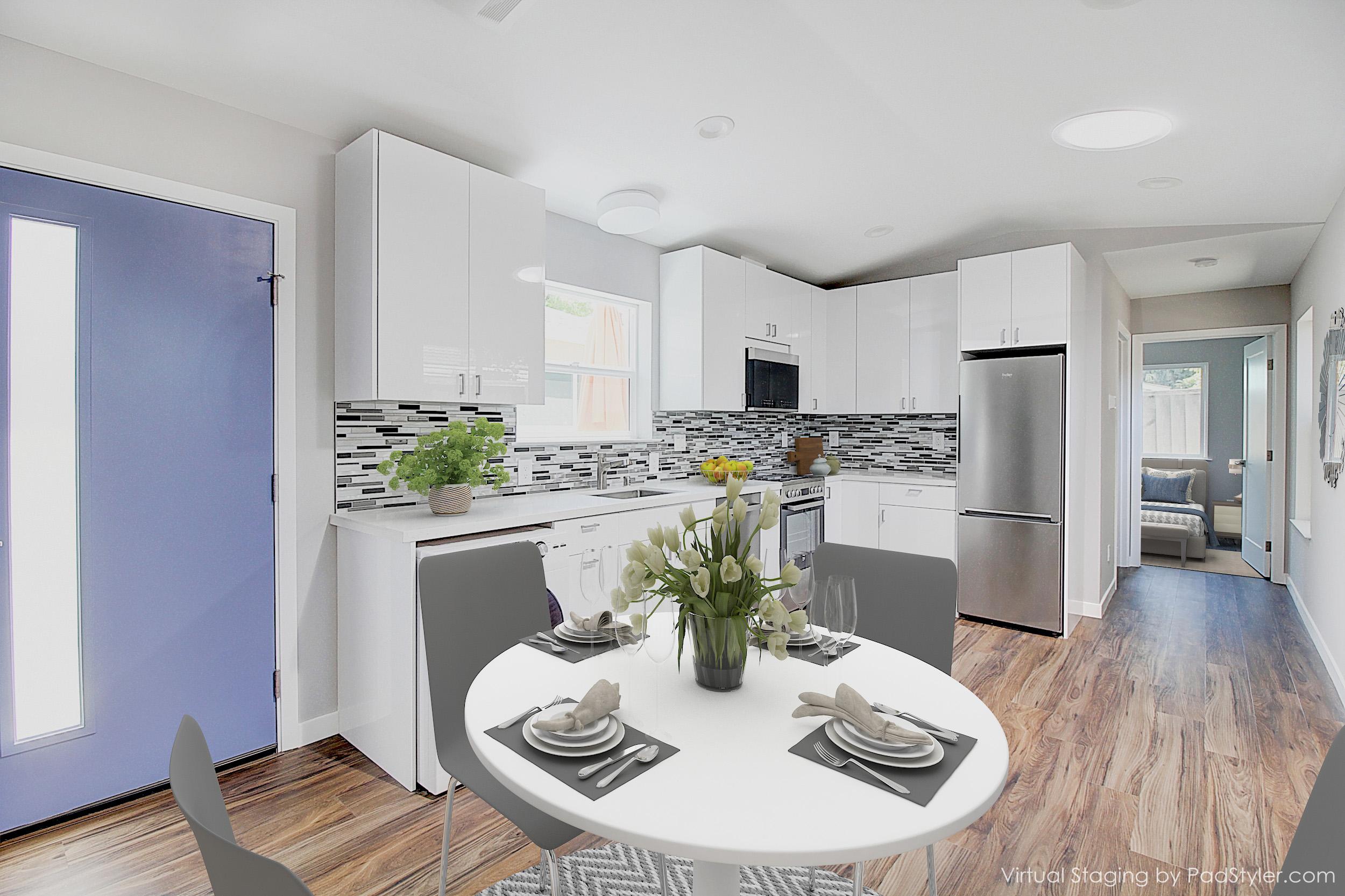
Surprise #1: The Reality of Pre-Approved Plans
San Jose is one of the Bay Area cities that actively supports pre-approved ADU plans, and for many homeowners, this is a significant advantage. Pre-approved plans are designed to align with local zoning and building standards, which can reduce review time and remove much of the guesswork from the permitting process.
The surprise for many homeowners is not that pre-approved plans fall short, but that they still need to be thoughtfully adapted to each property.
- Pre-approved plans speed up plan review because the city has already vetted the core design
- Site-specific elements like placement, grading, and utilities still need to be addressed
- Foundation systems must be engineered for your property’s soil conditions
- Existing structures, setbacks, and easements influence how the plan is applied
The rule in San Jose is that no two lots are identical. Even the best pre-approved design needs to be carefully matched to the realities of the site. When done correctly, this is a strength, not a drawback.
This is where Acton ADU’s extensive pre-approved plan library shines. Rather than starting from a generic template, homeowners can choose from a wide range of permit-ready layouts that are already optimized for San Jose regulations. These plans are then refined to fit the property, preserving design intent while maintaining efficiency.
For many projects, this approach delivers the best of both worlds: faster approvals, predictable permitting, and a design that still feels intentional and tailored. Pre-approved plans are not a shortcut around quality. They are a strategic tool when paired with local expertise.
Surprise #2: The Invisible Setbacks (Easements and Power Lines)
Most homeowners are familiar with standard ADU setbacks in San Jose, typically four feet from side and rear property lines. What often goes unnoticed are the constraints that do not appear on zoning maps.
These include:
- Easements for underground utilities that cannot be built over
- PG&E overhead power lines requiring horizontal and vertical clearance
- Tree protection zones around heritage trees
- Drainage and access easements recorded on the property title
The rule in San Jose is that these conditions function as additional setbacks, even though they are not labeled as such. A buildable area that looks generous on paper can shrink quickly once surveys and utility maps are reviewed.
This is why a feasibility study is essential. Identifying these constraints early prevents redesigns later in the permitting process. It also allows designers to orient the ADU in ways that preserve usable outdoor space and privacy.
For homeowners exploring backyard homes in San Jose, invisible setbacks are often the first major surprise.
Surprise #3: Solar Mandates and Title 24 Compliance
Energy compliance is one of the most underestimated aspects of ADU planning. In San Jose, most new detached ADUs are required to include solar panels and meet strict Title 24 energy standards.
Key requirements often include:
- Solar photovoltaic systems sized to the ADU
- High-performance insulation and windows
- All-electric appliances and systems
- Energy-efficient HVAC designs
The rule in San Jose is that energy efficiency is not optional. These requirements influence window placement, wall assemblies, roof design, and mechanical systems.
While solar and energy upgrades increase upfront cost, they also reduce long-term utility expenses and improve comfort. Planning for Title 24 ADU requirements early ensures they are integrated seamlessly into the design instead of added later under pressure.
Homeowners who budget only for construction costs are often surprised by how much energy compliance affects both pricing and layout decisions.
Surprise #4: Privacy Restrictions on Two-Story ADUs
San Jose allows two-story ADUs, which is not the case in every nearby city. This flexibility makes vertical designs appealing on smaller lots. However, privacy rules significantly influence how these units are designed.
Common restrictions include:
- Windows facing neighboring properties may need to be clerestory or obscured
- Balconies are often restricted or require privacy screening
- Upper-story layouts are reviewed carefully for line-of-sight impacts
- Height limits may depend on the height of the main residence
The rule in San Jose is that protecting neighbor privacy is a priority, especially for second-story ADUs. These projects often receive closer scrutiny during plan review.
Designing with privacy in mind from the beginning helps avoid delays and neighbor concerns. When done correctly, two-story ADUs can still feel open and light-filled while meeting all local standards.
Surprise #5: Unexpected Infrastructure Upgrades
Adding an ADU means adding demand to existing systems. San Jose requires that infrastructure can safely support the additional load, and this can trigger upgrades homeowners did not anticipate.
Common examples include:
- Upgrading the main electrical panel, often to 200 amps
- Sewer lateral inspections, testing, or replacement
- Fire sprinkler extensions if the main house is sprinklered
- Water meter or service line upgrades
The rule in San Jose is that safety and capacity come first. These requirements are not discretionary, and they apply regardless of ADU size.
These are often referred to as hidden costs, but in reality they are predictable when evaluated early. Acton ADU identifies these needs during feasibility to prevent last-minute surprises during permitting or construction.
Navigating the Process with Acton ADU
San Jose ADU regulations are designed to encourage responsible growth while protecting neighborhoods and infrastructure. The challenge is that no single rule exists in isolation. Zoning, setbacks, utilities, energy codes, and design standards all interact.
This is where professional guidance matters.
Acton ADU’s process is built around anticipating these surprises before they become obstacles:
- Feasibility review to confirm zoning, constraints, and infrastructure
- Thoughtful design aligned with San Jose standards
- Full permitting coordination with the city
- High-quality construction backed by decades of experience
The philosophy is simple: build it once, build it right.
If you are surprised by these rules, you are not alone. Do not navigate them alone either. Contact Acton ADU today for a free feasibility estimate and ensure your backyard home is designed and built with confidence.