.png)


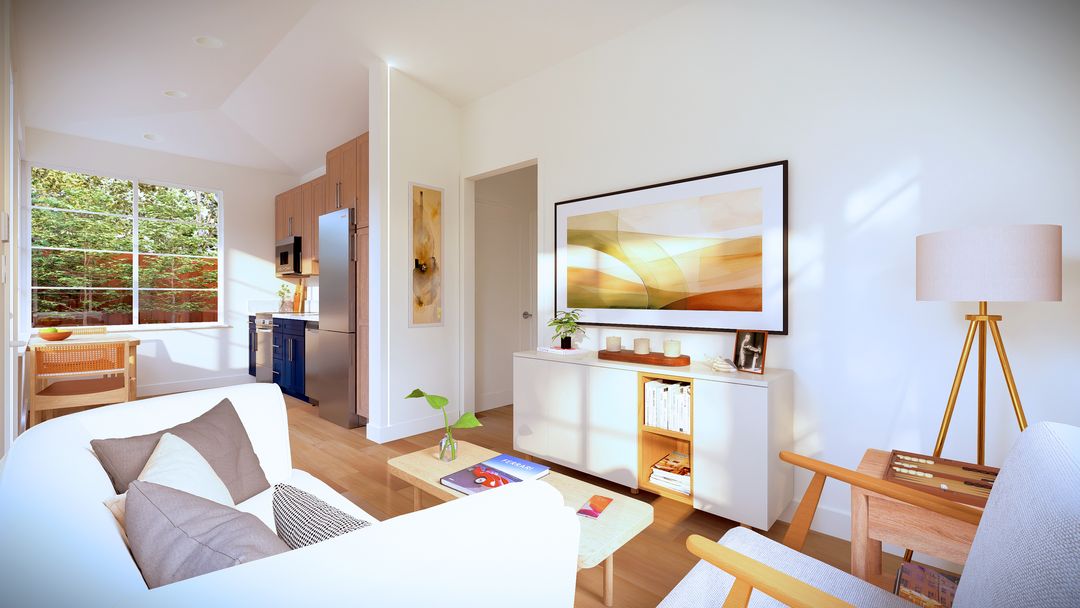
Rosemead ADUs are becoming a practical way for Southern California families to stay close without crowding into one shared home. An accessory dwelling unit is a secondary home on the same property as a main residence. It can give aging parents, adult children, or extended family members a private place to live while keeping everyone connected.
For many families, the biggest benefit is emotional. Grandparents can be nearby for school pickups, family dinners, holidays, and everyday support. Adult children can help parents age with dignity while still protecting the independence that matters to both generations.
There are also strong practical benefits. Assisted living and long-term care can be expensive, and moving to a larger home in Southern California may not be realistic. A well-built ADU allows homeowners to use the property they already own to create a lasting, flexible housing solution.
That is why multigenerational living Southern California homeowners are exploring ADUs as more than a backyard project. A thoughtfully designed ADU can become a space-smart home built for decades of family life. With more than 35 years of building experience, Acton ADU helps families move from a personal need to a clear, buildable plan.
Understanding Rosemead's 2026 ADU Zoning Regulations
Rosemead’s 2026 ADU zoning regulations matter, but they should not be the whole story. For families planning an in-law suite, the goal is not to memorize every municipal detail. The goal is to understand the basic design boundaries before choosing a floor plan, placement, and builder.
The City of Rosemead defines an ADU as an attached or detached structure that provides independent living facilities on the same parcel as a single-family dwelling. It must include permanent provisions for living, sleeping, eating, cooking, and sanitation. Rosemead also notes that ADUs can have a separate mailing address and may be rented or occupied by the property owner.
For a single-family property, Rosemead’s 2026 ADU handout identifies one attached or detached ADU and one JADU as the general allowance. The handout also lists maximum floor area guidance, including attached ADUs at 50% of the primary residence, with an 800-square-foot allowance if the primary home is less than 1,600 square feet. Detached ADUs may be 150 to 850 square feet for a studio or one-bedroom unit, or up to 1,200 square feet for an ADU with more than one bedroom when floor-area ratio permits.
A few planning basics to keep in mind include:
- Side and rear setbacks are generally four feet.
- Detached one-story ADUs are listed at 17 feet in height, while two-story ADUs are listed at 30 feet.
- Rosemead lists a 10-foot distance between dwellings for detached ADUs, with state-law safety allowances for certain 800-square-foot ADUs.
- New ADUs should match or complement the primary residence in architectural design, color, and materials.
- Parking requirements and exemptions should be reviewed with the city or a qualified ADU professional.
Rosemead also has an ADU Standard Plans Program, created in response to Assembly Bill 1332. The city says homeowners may purchase pre-approved plans directly from the design professional, which can streamline the design and permitting process. For families with accessibility, privacy, or custom layout needs, however, zoning is only the starting point. The more important question is how the ADU will actually feel to live in.
Striking the Balance: Floor Plans for Closeness and Privacy
A Rosemead ADU for aging parents should be designed for independence first, with connection built in naturally. The best multigenerational layouts make it easy to check in, share meals, and offer support, but they do not make either household feel watched, crowded, or dependent.
Privacy starts with the site plan. If the property allows it, an L-shaped or U-shaped layout can help create separate outdoor zones for the main house and the ADU. This gives the grandparents their own patio, walkway, or garden area while allowing the main household to keep part of the backyard for daily family use.
The ADU entrance should usually face away from the main house’s most-used areas. That could mean orienting the door toward a side yard, driveway, garden path, or private gate. This small design choice can make the ADU feel like a real home rather than an add-on at the back of someone else’s house.
Inside the ADU, floor plan layout also matters. Bedrooms should be placed away from the noisiest parts of the property whenever possible. Bathrooms, closets, laundry areas, and storage walls can be used as buffers between the ADU and the main house, or between the ADU bedroom and outdoor activity areas.
Some of the best ADU floor plan layouts for multigenerational privacy include:
- A detached backyard ADU with the entrance facing a side path
- A one-bedroom ADU with the bedroom tucked toward the quietest corner of the lot
- A two-bedroom layout where the second room can serve as a caregiver space, office, or guest room
- A layout with the bathroom and closet placed between the bedroom and shared outdoor areas
- A plan with a small private patio to create a separate outdoor living zone
Good design does not mean cutting the family off from each other. It means creating healthy boundaries. Acton ADU’s approach focuses on beautiful, space-smart backyard homes that maximize light, storage, privacy, and daily comfort while still complementing the main residence.
Creating Boundaries: Soundproofing and Visual Privacy
Soundproofing is especially important when two homes sit close together on one lot. A soundproofing backyard ADU strategy should reduce everyday noise from doors, kitchens, televisions, outdoor gatherings, and mechanical systems. The goal is not silence. It is comfort.
Effective sound control usually comes from layers. Wall construction, insulation, windows, doors, flooring, and mechanical placement all work together. If privacy is a priority, these choices should be discussed during design, not after the ADU is already framed.
Strong soundproofing options may include:
- Staggered stud walls to reduce sound transfer
- Rock wool or mineral wool insulation in key wall cavities
- Mass loaded vinyl for additional sound blocking
- Resilient channels or sound isolation clips where appropriate
- Solid-core doors instead of hollow-core doors
- Double-paned windows
- Acoustic sealant around gaps and penetrations
- Quiet HVAC equipment placement
- Soft surfaces such as rugs, curtains, and upholstered furniture
Visual privacy is just as important as acoustic comfort. Strategic window placement can bring in light without creating awkward sightlines between homes. High clerestory windows, skylights, frosted glass, and carefully placed bedroom windows can help the ADU feel bright while protecting privacy.
Landscaping can also create natural separation. Hedges, layered planting, small trees, trellises, fencing, and garden screens can define two distinct living areas without making the property feel closed off. A path, gate, or planting bed can quietly signal where one home’s outdoor space ends and the other begins.
The exterior design should still feel connected to the main residence. Rosemead’s ADU standards note that new ADUs should match or complement the main home’s architectural design, color, and materials. The right design creates independence without making the ADU look like an unrelated structure dropped into the yard.
Future-Proofing: Essential Aging-in-Place Features
An aging-in-place ADU should support parents now and adapt as their needs change. Even if parents are active today, the home should be designed with future mobility, safety, and comfort in mind. The most successful designs make accessibility feel natural, not medical.
The entrance is one of the first places to plan carefully. A zero-step entry, gently sloped walkway, wide door, and good lighting can make daily life easier for someone using a cane, walker, or wheelchair. These features also make the home easier for visitors, caregivers, and family members carrying groceries or laundry.
Aging-in-place bathroom features
The bathroom is one of the most important rooms in an in-law suite. It should be safe, easy to move through, and simple to maintain.
Recommended bathroom features include:
- Curbless walk-in shower
- Reinforced walls for future grab bars
- Comfort-height toilet
- Slip-resistant tile or flooring
- Handheld showerhead
- Built-in shower bench or room for a portable bench
- Easy-turn faucet controls
- Bright, even lighting
- Room for a walker or caregiver assistance if needed
Aging-in-place kitchen features
The kitchen should support independence without forcing parents to bend, reach, or move awkwardly. Small choices can make a big difference over time.
Recommended kitchen features include:
- Pull-out shelves in lower cabinets
- Easy-grip cabinet hardware
- Lower countertop segment where appropriate
- Clear floor space near appliances
- Induction cooktop for safer cooking
- Anti-slip flooring
- Good task lighting under cabinets
- Rocker-style switches
- Simple, reachable storage
These details are not just accessibility upgrades. They are long-term investments in dignity. A parent who can safely make tea, prepare breakfast, shower, and move through the home independently may be able to enjoy more years of comfortable living close to family.
Choosing the Right Path: Custom Designs and Expert Builders
Rosemead’s pre-approved ADU templates can be useful for some homeowners. The city’s Standard Plans Program currently lists pre-approved detached ADU options, including 800-square-foot 2-bedroom, 2-bath plans and a 1,000-square-foot 3-bedroom, 2-bath plan. Rosemead states that these plans may streamline both design and permitting.
For a simple rental unit, a template may be enough. For a highly personal multigenerational home, the decision is more nuanced. Parents may need specific bathroom dimensions, a certain entry orientation, space for medical equipment, a quieter bedroom location, or a layout that avoids direct views into the main house.
A custom in-law suite builder should understand more than construction. They should understand family dynamics, aging-in-place design, local zoning, utility planning, seismic requirements, privacy, and long-term livability. In California, experience matters because small design decisions can affect permitting, cost, comfort, and buildability.
When choosing a specialized ADU builder, look for:
- Decades of residential construction experience
- Specific ADU expertise, not just general remodeling
- A clear design-build process
- Transparent communication about costs and timelines
- Strong knowledge of California codes and seismic requirements
- Experience with aging-in-place design
- Ability to handle permitting and inspections
- A portfolio of high-quality backyard homes
Acton ADU’s team brings more than 35 years of experience to this process. For families creating a permanent home for parents or adult children, that depth of experience helps reduce stress and improve the final result. The goal is not just to build more space. The goal is to build the right space.
Explore Acton ADU’s Build Ready ADUs or Custom ADUs to compare possible paths for your family.
Timelines and Next Steps: Starting Your Rosemead ADU Project
A custom ADU in Rosemead often takes several months from the first design conversation to move-in. A general planning range is one to two months for initial design, two to four months for permitting, and four to six months for construction. The exact timeline depends on the lot, design complexity, city review, utility work, finishes, and construction conditions.
Pre-approved plans may shorten part of the design process if they fit the property and family goals. Custom ADUs may take more planning, but they can be a better investment when the home needs privacy, accessibility, and a specific layout. For multigenerational living, the most valuable timeline is not always the shortest one. It is the one that leads to a home your family can live with comfortably for years.
The first step is a site feasibility study. During this review, an ADU professional evaluates whether your backyard can support a private in-law suite. This may include looking at setbacks, access, utilities, existing structures, trees, topography, privacy opportunities, and possible floor plan options.
Before your site visit, it helps to gather:
- Your property address
- Photos of the backyard, driveway, garage, and side yards
- Any existing plans, surveys, or remodel records
- A wish list for your parents or family members
- Accessibility concerns
- Privacy concerns
- Preferred ADU size or bedroom count
- Questions about budget, timing, and design options
Ready to build a legacy for your family? Use Acton ADU’s Check Your Property tool or contact Acton ADU at (408) 539-1908 to schedule your free estimate and site feasibility study.
FAQ
What are the main benefits of building an ADU for multigenerational living in Southern California?
The main benefits include keeping family close, supporting aging parents, reducing long-term housing stress, preserving independence, and adding flexible living space to a property. In Southern California, ADUs can help families stay in the neighborhoods they already know and love.
What are the latest 2026 ADU zoning regulations and size limits specifically for Rosemead?
Rosemead’s 2026 ADU guidance includes allowances for attached or detached ADUs and JADUs on single-family properties. Detached ADUs may be up to 850 square feet for a studio or one-bedroom unit, or up to 1,200 square feet for more than one bedroom when floor-area ratio permits. Attached ADUs are generally limited to 50% of the primary residence, with an 800-square-foot allowance when the primary residence is less than 1,600 square feet.
How can I design a Rosemead ADU for my aging parents that keeps them close but maintains our privacy?
Design the ADU with a separate entrance, careful window placement, private outdoor space, and a layout that avoids direct sightlines into the main home. The goal is to create daily connection without forcing both households to share every space.
What ADU floor plan layouts work best for visually and physically separating the main house from an in-law suite?
Detached ADUs with side-yard entrances, bedrooms placed toward quiet corners, bathrooms or closets used as sound buffers, and patios oriented away from the main house often work well. L-shaped or U-shaped site layouts can also create distinct outdoor zones.
What are the most effective soundproofing materials and techniques for close-proximity backyard ADUs?
Effective soundproofing techniques may include staggered stud walls, mineral wool insulation, mass loaded vinyl, solid-core doors, double-paned windows, acoustic sealant, and careful HVAC placement.
How can strategic window placement and landscaping create natural privacy barriers between two homes on one lot?
High windows, skylights, frosted glass, and carefully placed bedroom windows can bring in light while limiting direct views. Hedges, fencing, trellises, and small trees can create soft natural boundaries between the ADU and main home.
What essential aging-in-place features should be included in an ADU bathroom and kitchen to ensure long-term independence?
An aging-in-place bathroom should include a curbless shower, reinforced walls, slip-resistant flooring, strong lighting, and a comfort-height toilet. The kitchen should include reachable storage, pull-out shelving, safe flooring, clear pathways, and easy-to-use fixtures.
Are Rosemead's pre-approved ADU design templates a better choice than hiring an architect for a custom in-law suite?
Pre-approved templates can help streamline design and permitting when they fit the property and family’s needs. A custom in-law suite is often better when the home needs specific accessibility features, privacy planning, or a layout tailored to aging parents.
What should I look for when choosing a specialized builder for a highly customized, multigenerational ADU?
Look for a builder with deep ADU experience, a design-build process, transparent pricing, strong communication, knowledge of local permitting, and experience with aging-in-place design.
What is the typical construction timeline from the initial design phase to move-in for a custom ADU in Rosemead?
A general timeline is one to two months for design, two to four months for permitting, and four to six months for construction. The exact timeline depends on site conditions, design complexity, city review, utility work, and finishes.
How do I schedule a site feasibility study to see if my Rosemead backyard can actually fit a private in-law suite?
Start by using Acton ADU’s Check Your Property tool or contacting Acton ADU at (408) 539-1908. Have your property address, photos, existing plans if available, and family goals ready for the first conversation.