.png)


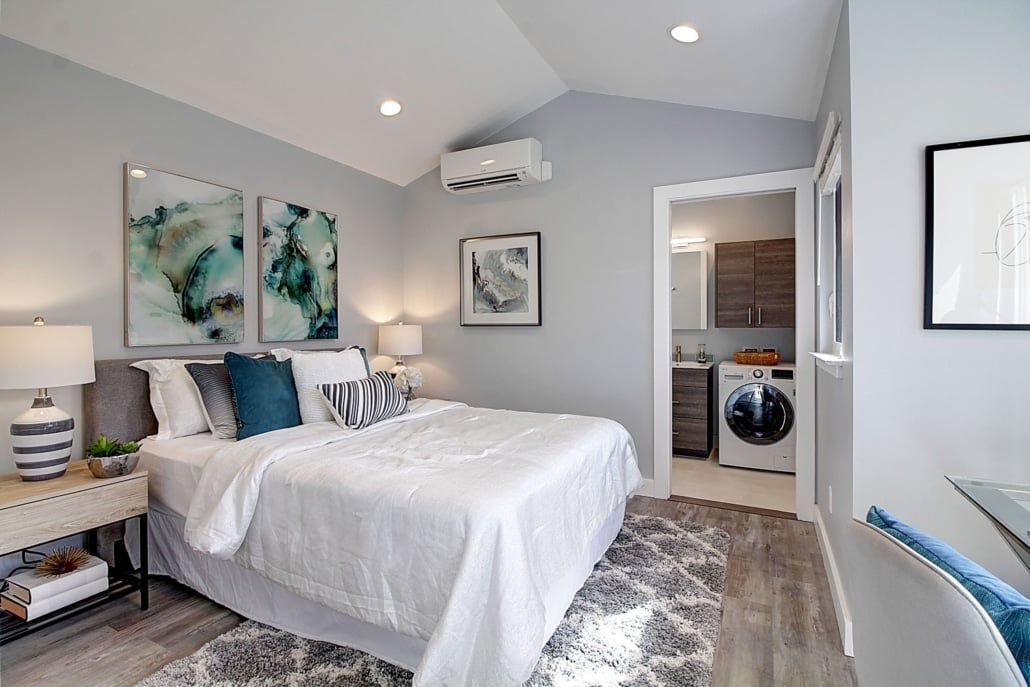
Building an ADU in Santa Monica can be an exciting way to create more space without leaving the home, neighborhood, or coastal lifestyle you already love. Whether you are planning a private suite for aging parents, a flexible space for adult children, or a long-term backyard home for changing family needs, an accessory dwelling unit can make your property more useful for years to come.
But in Santa Monica, good planning matters. Lots can be compact, design expectations can be high, and some properties may involve additional considerations, such as coastal location, historic resources, utilities, access, or existing site constraints.
The best ADU projects start before design begins. They start with a clear understanding of the property, the family’s goals, and the type of home that will actually work on the site.
Start With the Purpose of the ADU
Before thinking about floor plans or finishes, homeowners should get clear on why they want to build an ADU. The purpose of the space will shape almost every design decision that follows.
A Santa Monica ADU might be used as:
- A private home for aging parents
- A comfortable suite for adult children
- A guest house for visiting family
- A caregiver suite
- A home office or creative studio
- A future downsizing option
- A long-term rental home where allowed
A family suite for parents needs different features than a guest space used a few weekends a year. A home office needs different sound control than a unit designed for full-time living. A long-term rental may need a more independent layout, while a family ADU may prioritize connection to the main house.
When the purpose is clear, the design becomes more focused.
Understand What an ADU Actually Includes
An ADU is not just a finished room in the backyard. In Santa Monica, ADUs are legal secondary units allowed on residential and mixed-use properties with at least one existing or proposed single-unit dwelling or multiple-unit development. They are also commonly called granny flats, carriage houses, or backyard homes.
A true ADU is designed for independent living. That usually means it includes space for sleeping, cooking, eating, bathing, and relaxing. It may be detached, attached to the main house, created from existing space, or built as a conversion depending on the property.
That independence is what makes an ADU so useful. It can support real daily life while still keeping people close to the main home.
Look at the Property Before Choosing the Design
One of the most common ADU planning mistakes is falling in love with a floor plan before confirming whether it works on the property. In Santa Monica, the right ADU design depends heavily on the lot.
Important site factors include:
- Lot size and shape
- Existing home placement
- Garage location
- Side yard and backyard access
- Alley access, if available
- Trees and landscaping
- Utility locations
- Slope or drainage conditions
- Privacy from neighboring homes
- Sunlight and natural ventilation
- Space between the ADU and main house
A detached backyard ADU may be ideal for one property. A garage conversion may make more sense for another. An attached ADU may be the right fit when the lot is tight but the home layout allows for a natural addition.
The smartest first step is a property review. That helps homeowners understand what is possible before spending time on a design that may need to change later.
Keep Regulations in Perspective
Santa Monica has established ADU rules, and the city points homeowners to Section 9.31.025 of the Santa Monica Municipal Code for ADU and Junior ADU regulations. But for a homeowner, the goal is not to become a zoning expert. The goal is to work with a team that knows how to translate those rules into a buildable plan.
At a high level, homeowners should expect to review:
- Whether the property can support an ADU
- What type of ADU is possible
- Where the ADU can be placed
- How utilities will connect
- Whether parking rules apply
- Whether coastal, historic, or site-specific factors need review
- How the ADU will be permitted
Santa Monica also has an Accessory Dwelling Unit Accelerator program and resources intended to support ADU production. These resources can be helpful, but they do not replace the need for site-specific planning.
For Acton ADU clients, the important thing is that regulations are handled as part of a larger process. The family’s goals, the property conditions, and the local requirements all need to work together.
Decide Between Detached, Attached, or Converted Space
Most homeowners start with a simple question: where should the ADU go?
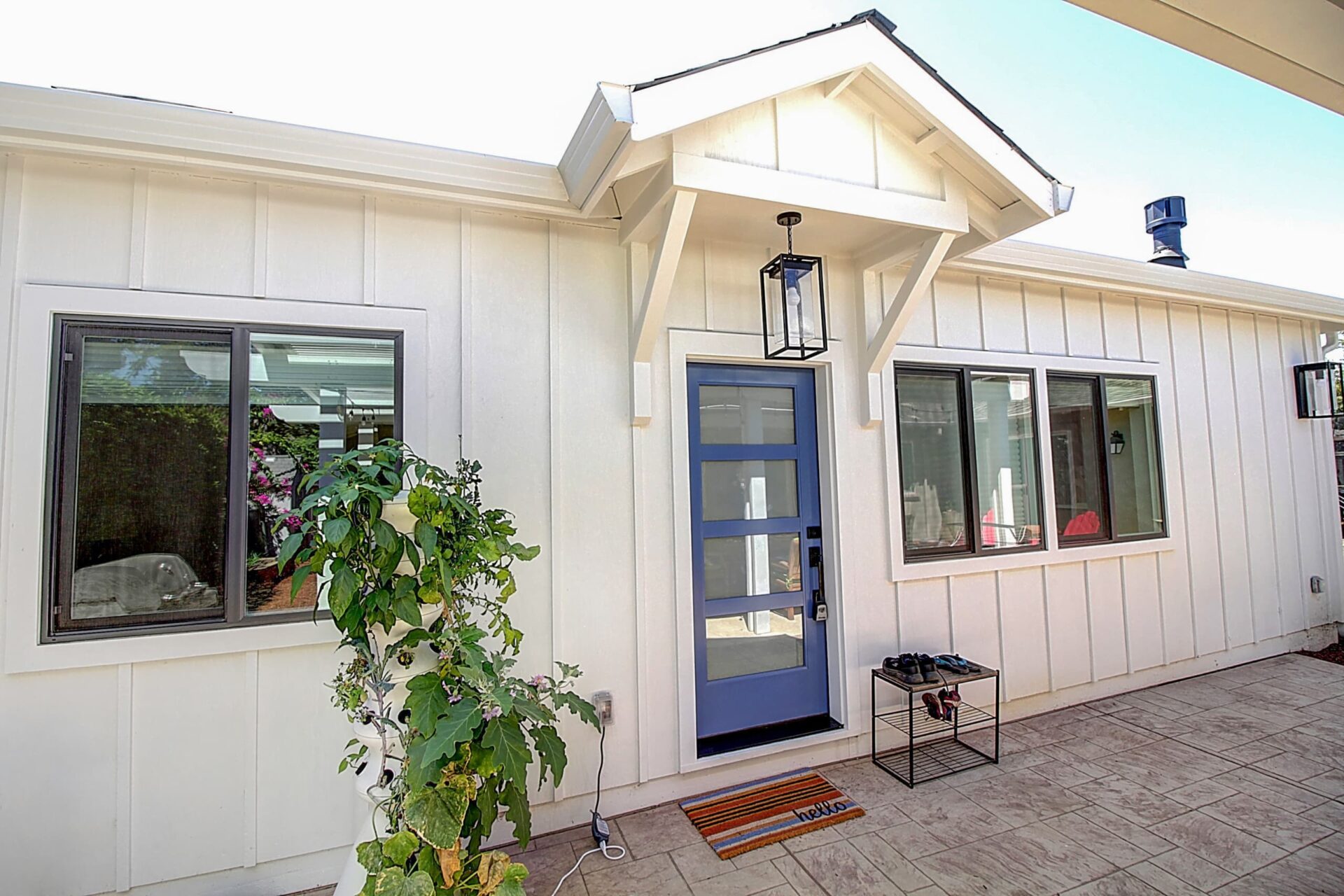
A detached ADU often offers the most privacy. It can feel like a true backyard home, with its own entrance, outdoor space, and sense of separation. This can be especially helpful when the unit is designed for parents, adult children, guests, or long-term living.
An attached ADU can work well when the family wants closer connection or when the property does not have enough usable backyard space for a detached structure. The layout must be handled carefully so the ADU still feels independent.
A garage conversion may be a smart option when the garage is well-located and structurally suitable. However, garages often need major upgrades to become comfortable living spaces. Insulation, plumbing, electrical work, natural light, flooring, and accessibility all need to be considered.
The right choice depends on the property and the people who will use the space.
Plan Privacy From the Beginning
Privacy is one of the biggest differences between an ADU that works well and one that feels awkward. Two homes on one lot can be comfortable, but only when the design respects both households.
Privacy can be supported through:
- A separate entrance
- A walkway that does not cut through the main family’s most-used outdoor area
- Window placement that avoids direct views into bedrooms or living rooms
- Landscaping between the ADU and main house
- Fencing, trellises, or garden screens
- A small private patio for the ADU
- Sound-conscious wall and window choices
In Santa Monica, where many lots are close to neighbors, privacy should also consider surrounding properties. The ADU should feel comfortable for the people living in it, the main household, and nearby residents.
Good design can make a small space feel peaceful. It can bring in light, create separation, and preserve the character of the backyard.
Think About Long-Term Family Needs
Many ADUs begin with one immediate need. A parent is moving closer. An adult child needs a place to land. The main home is too crowded. Remote work has changed how the family uses space.
But a well-designed ADU should support more than one stage of life. A family suite today may become a guest house later. A guest house may become a caregiver suite. A home office may eventually become a place for aging parents.
That flexibility is one of the strongest reasons to build an ADU. Instead of solving one short-term problem, homeowners can create a small home that adapts over time.
For long-term use, consider:
- A full bathroom instead of a half bath
- Comfortable kitchen space
- Good storage
- Durable materials
- Energy-efficient systems
- Accessible entry where possible
- Wider doorways where possible
- Strong lighting
- A layout that can work for different ages and needs
A little extra planning now can make the ADU more useful for decades.
Do Not Treat Design Quality as Optional
Santa Monica homeowners often care deeply about architecture, landscape, and neighborhood character. An ADU should not feel like a disconnected structure squeezed into the yard. It should complement the main home and feel intentional.
Design quality shows up in both big and small decisions. The exterior materials, roofline, windows, lighting, pathway, and landscaping all affect how the ADU fits the property. Inside, the floor plan, storage, ceiling height, lighting, and finishes determine whether the space feels comfortable or cramped.
A smaller home needs especially thoughtful design. Every square foot matters. A well-designed ADU can feel open, calm, and complete, even with a compact footprint.
This is where working with an experienced ADU builder can make the process easier. Acton ADU helps homeowners think through both the practical and emotional sides of the project, from feasibility to design and construction.
Know That Timelines Depend on the Property
Homeowners often want to know how long an ADU will take. The honest answer is that timelines depend on design complexity, permit review, utility needs, site conditions, and construction scope.
A simple garage conversion may move differently than a detached custom ADU. A property with easy access may be simpler than one with tight side yards or challenging utility connections. A highly customized family suite may require more planning than a standard guest space.
In general, homeowners should expect the process to include:
- Initial feasibility review
- Design and planning
- Permit preparation
- City review
- Site preparation
- Construction
- Inspections
- Final completion
The timeline is important, but the planning quality matters more. A rushed design can create problems later. A careful feasibility and design process helps reduce surprises and creates a better finished home.
Start With a Feasibility Review
The best way to begin planning an ADU in Santa Monica is with a feasibility review. This step helps answer the questions that matter most before design work goes too far.
A feasibility review may look at:
- Whether your property can support an ADU
- Which ADU type is most realistic
- Where the ADU could be placed
- How privacy can be protected
- What utility or access issues may exist
- Whether the ADU should be detached, attached, or converted
- How the design can support your family’s long-term goals
Before reaching out, it helps to gather your property address, photos of the yard or garage, any existing plans if you have them, and a short list of what you want the ADU to accomplish.
You do not need to have all the answers before starting. You just need a clear goal and the right team to help you understand what is possible.
Build With the Future in Mind
Planning an ADU in Santa Monica is not just about adding square footage. It is about making the property more useful, more flexible, and more supportive of the people who matter most.
A thoughtfully designed ADU can create room for aging parents, adult children, guests, caregivers, work, or future living needs. It can help homeowners stay in the neighborhood they love while adapting the property for the next stage of life.
If you are thinking about building an ADU in Santa Monica, start with the property. Acton ADU can help you understand your options, explore the right design approach, and create a backyard home built to last for generations.