.png)


%20(BA-2)%20(O-1)%20(GS)%20Classic%20Elegance%20-%20Kitchen.jpg)
Multigenerational living is becoming increasingly common across the Bay Area. Rising housing costs, longer life expectancy, and shifting cultural norms are bringing grandparents, parents, and adult children back under the same roof.
While the idea of living together appeals to many families, the execution can be challenging. Sharing kitchens, bathrooms, and daily routines often creates stress that slowly erodes the benefits of proximity.
Accessory dwelling units offer a better framework. By creating two independent living spaces on one property, families can enjoy connection without sacrificing autonomy while also strengthening the long-term functionality and value of the property.
Why Traditional Multigenerational Homes Struggle
Most single-family homes were designed for one nuclear household. When additional generations move in, the structure itself becomes a constraint.
Competing Daily Routines
Different work schedules, sleep habits, and lifestyles can clash quickly when everyone shares the same common spaces.
Privacy Limitations
Adults at every stage of life need personal space. Without separate entrances and living areas, even minor disruptions can feel amplified.
Emotional Strain
When independence is compromised, small frustrations accumulate. Over time, this can strain relationships that are otherwise strong.
These challenges are often less about family dynamics and more about the physical limitations of the home’s layout.
How an ADU Creates a Healthier Living Structure
An ADU introduces independence into the equation while preserving proximity.
Separate, Self-Contained Living
With a private entrance, kitchen, bathroom, and living area, each generation maintains its own daily rhythm.
Clear Boundaries
Physical separation supports emotional boundaries. Family members can visit by invitation rather than by necessity.
Built-In Flexibility
An ADU can serve different roles over time. It may begin as housing for aging parents, later transition to adult children, and eventually function as a guest suite or rental.
This adaptability allows the property to evolve alongside family needs while continuing to deliver value over time.
Supporting Aging Parents With Dignity
One of the most common multigenerational scenarios involves aging parents.
An ADU allows parents to remain independent while staying close to family support. Purpose-built layouts with single-level living, accessible bathrooms, and open floor plans enhance safety without creating dependence.
Thoughtful design also ensures the space remains comfortable and accessible for years, reducing the need for costly future renovations.
Proximity ensures peace of mind, but independence preserves dignity.
Giving Adult Children Space to Grow
When adult children return home temporarily, independence matters just as much.
An ADU shifts the dynamic from “moving back in” to “living independently on the same property.” This distinction encourages responsibility while maintaining family support.
It also protects the parents’ primary living space from feeling crowded or disrupted.
If the space is no longer needed for family members in the future, the same ADU can often transition into a rental unit that generates consistent income.
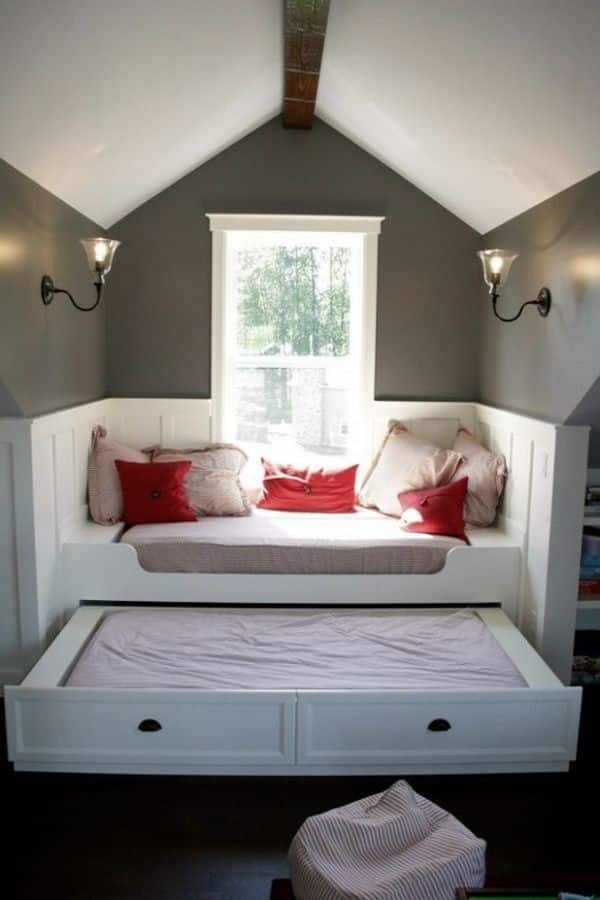
Design Principles That Strengthen Multigenerational Living
Healthy multigenerational arrangements depend on thoughtful design.
Strategic Placement on the Lot
Positioning the ADU to maximize privacy, natural light, and sound separation reduces friction.
Sound-Conscious Construction
Insulation, window placement, and layout decisions minimize noise transfer.
Durable Materials
Because multigenerational properties often see higher overall usage, durable finishes protect long-term value.
Durable materials also help reduce lifecycle maintenance costs while maintaining the quality of the space over time.
Outdoor Space Considerations
Separate patios or garden areas give each household its own retreat while maintaining shared areas for gatherings.
Financial and Property Value Benefits
Beyond lifestyle improvements, ADUs can strengthen long-term property value.
Permitted, high-quality ADUs increase usable square footage and expand future buyer appeal. Even if family needs change, the property retains flexibility as a rental or guest residence.
This combination of lifestyle flexibility and rental potential helps support stronger long-term financial performance for the property.
In high-value Bay Area markets, that adaptability becomes a significant asset.
A Balanced Approach to Living Together
Multigenerational living does not have to mean overcrowding or compromise.
By creating two independent homes on one property, families can preserve connection while protecting autonomy. An ADU provides the structure that healthy multigenerational living requires.
When designed thoughtfully and built professionally, an ADU can support multiple generations while also strengthening the long-term usability and value of the property.
For homeowners who want to stay rooted while supporting multiple generations, it offers one of the most practical and sustainable solutions available.