.png)


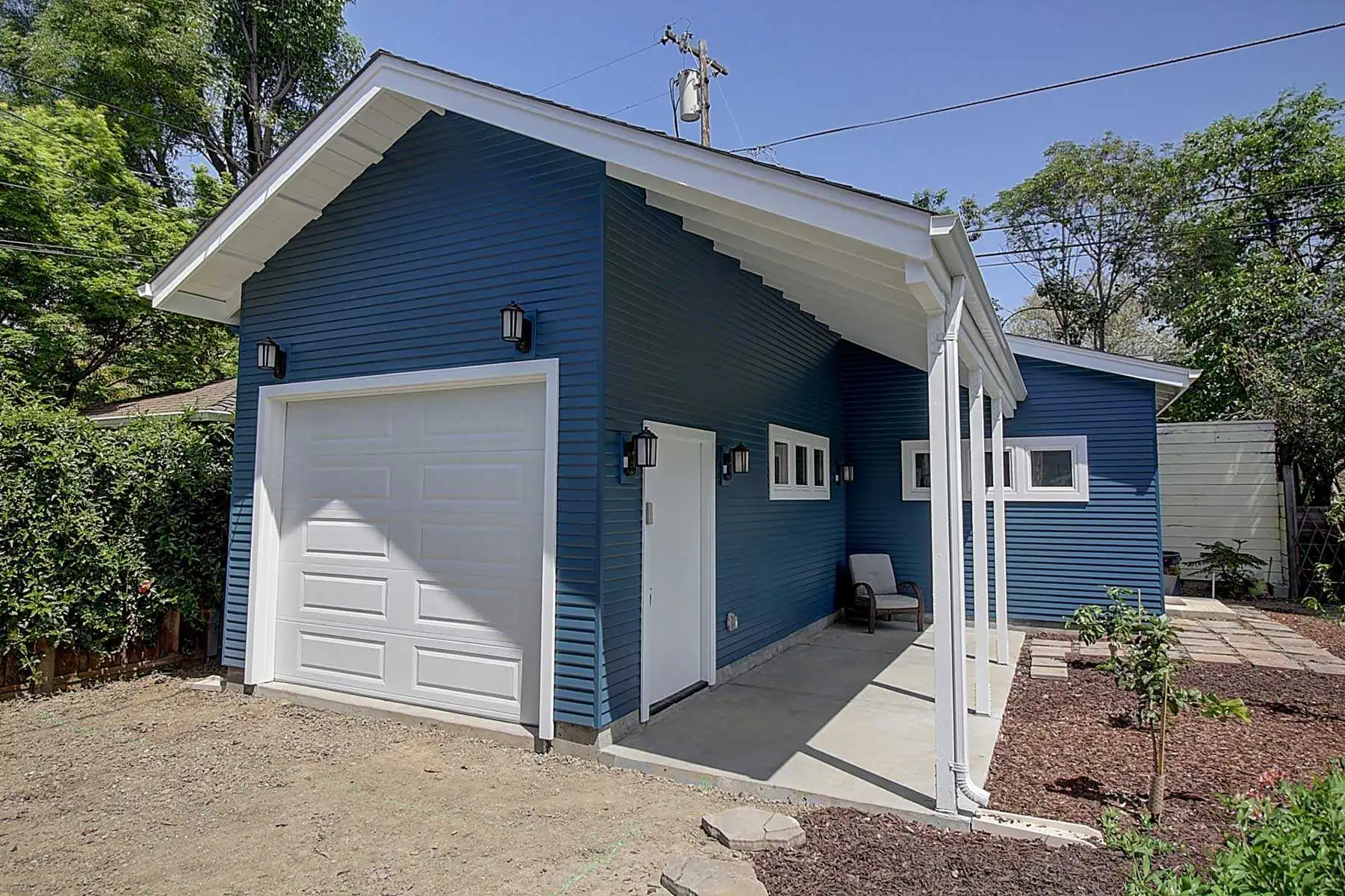
Accessory Dwelling Units (ADUs) have evolved from simple backyard modifications into elite financial assets for homeowners across Northern California. In high-value enclaves like Danville, where estate-style properties and multi-generational living arrangements are the norm, adding a secondary housing unit is a proven strategy to optimize land use and supercharge property equity. However, the financial returns of a backyard home are not guaranteed by square footage alone.
Instead, the ultimate return on investment (ROI) is dictated by a critical and often overlooked factor: construction quality.
Building an ADU is a significant undertaking that requires navigating hyper-local zoning laws, strict California building regulations, and complex real estate valuation methods. Homeowners who opt for premium design and institutional-grade construction positioning consistently outperform those looking for the cheapest upfront shortcuts.
Table of Contents
- The Real Value of an ADU in Danville: Appraisals and Income Potential
- Groundwork for Success: Danville Zoning, Setbacks, and Proper Site Prep
- Custom vs. Prefabricated ADUs: Why Construction Quality Drives Appraisals
- Designing for ROI: Balancing Square Footage with Luxury Finishes
- Attracting Premium Renters: Title 24 Energy Codes and Craftsmanship
- Funding Your Project and the Acton ADU Quality Advantage
The Real Value of an ADU in Danville: Appraisals and Income Potential
The real estate environment of Danville, California demands a sophisticated approach to property improvements. With median single-family home values comfortably exceeding 1.8 million dollars in 2026, any addition to a local parcel must meet high standards of design and durability to preserve the primary home's premium status. Introducing a poorly executed structure can inadvertently detract from the estate's overall appeal, while a beautifully executed backyard home creates a powerful economic engine.
When assessing the financial baseline of adding an ADU, homeowners must analyze how real estate professionals compute the value of these additions. The financial synergy between a well-appraised backyard home and the primary residence's existing equity can unlock massive lines of credit and long-term security. To understand the full scope of this asset class, it is important to address the precise market metrics currently shaping the East Bay.
How much does an ADU actually increase property value in Danville, CA right now?
An ADU increases property value in Danville, CA right now by an average of 20% to 30% of the primary home's existing market value, which translates to an immediate appraised equity increase of 200,000 to over 500,000 dollars depending entirely on the scale and execution of the build.
Because Danville features an exceptionally high real estate baseline, premium detached units yield a much higher valuation ceiling than they would in less affluent markets. This substantial capital lift provides homeowners with immediate equity protection and dramatically accelerates long-term property appreciation.
How is the appraised value of an ADU calculated compared to its potential rental income value?
The appraised value of an ADU is calculated primarily using the Sales Comparison Approach for conventional financing, whereas its potential rental income value is evaluated via the Income Approach based on prevailing local monthly rental data.
When utilizing the Sales Comparison Approach, a certified appraiser analyzes recent sales of comparable local properties featuring legal secondary units, adjusting for material quality and square footage. Conversely, the rental income evaluation focuses on ongoing cash flow, which in Danville's current 2026 market ranges from 3,500 to over 4,200 dollars per month for a premium two-bedroom unit. While banks prioritize localized sales comps to establish lending limits, the strong rental demand across the East Bay ensures that the actual income generated quickly offsets initial construction costs, offering a lucrative dual layer of financial return.
Appraisal Note: Lenders are increasingly recognizing the dual-value nature of ADUs. High-quality construction satisfies strict underwriting criteria for the Sales Comparison Approach, while solid lease histories reinforce the property's overall cap rate.
Groundwork for Success: Danville Zoning, Setbacks, and Proper Site Prep
Every successful construction project relies on a deep understanding of local municipal guidelines and regional geographical conditions. Danville's distinct neighborhoods, stretching from the Westside to the hills of Blackhawk, feature varied topography, mature oak tree protections, and specific soil compositions. Navigating these elements during the pre-construction phase is critical to protecting your initial capital investment.
Failing to account for municipal constraints or cutting corners on initial dirt work can lead to catastrophic financial consequences down the line. To ensure that your accessory home stands the test of time and passes rigorous local inspections, homeowners must strictly align their design goals with current state and local regulatory frameworks.
Do Danville's specific property setbacks and zoning rules limit the size and ultimate value of an ADU?
Danville's specific property setbacks and zoning rules do not inherently limit the ultimate value of an ADU, as current California state mandates override restrictive local codes to guarantee the right to build up to 1,200 square feet for multi-bedroom detached units.
Under Danville's local standards, a detached backyard home can take advantage of reduced four-foot side and rear property setbacks, provided the structure does not exceed a maximum height of 16 feet. If a homeowner desires a taller detached unit up to 24 feet to accommodate a specific architectural aesthetic, the build must conform to the standard setbacks established for the primary residence. By partnering with experienced Danville ADU builders, you can deploy creative architectural strategies that maximize the allowable buildable footprint without triggering costly municipal variance delays.
How do site-specific preparations like proper foundation work and grading influence the structural longevity of the build?
Site-specific preparations like proper foundation work and grading influence the structural longevity of the build by directly mitigating the severe shifting risks associated with the East Bay's expansive clay soils and seasonal water runoff patterns.
If a contractor fails to execute a comprehensive soil evaluation or mismanages the grading plan, shifting earth will eventually cause foundation cracks, warped window frames, and compromised structural integrity. Local building inspectors and professional real estate appraisers look closely at foundation engineering because it dictates whether a building will remain a permanent asset or transform into an expensive maintenance liability.
Committing to rigorous site preparation ensures your backyard cottage preserves its structural integrity, keeping your investment safe for decades.
%20(BA-2)%20(O-1)%20(GS)%20Classic%20Elegance%20-%20Kitchen.jpg)
Custom vs. Prefabricated ADUs: Why Construction Quality Drives Appraisals
Homeowners seeking to add a backyard home face a fundamental choice: investing in an East Bay custom ADU or purchasing a mass-produced, prefabricated modular unit. While factory-assembled options often lure buyers with promises of lower initial costs and rapid installation times, their long-term impact on property valuation can be deeply disappointing. A home's appraisal relies on structural permanence and architectural harmony.
Appraisers do not look at backyard homes in a vacuum; they evaluate how the new
structure complements or detracts from the existing primary residence. Understanding the hidden financial risks of modular construction is essential for anyone focused on genuine real estate appreciation.
Why does the actual construction quality of a backyard home matter so much during a real estate appraisal?
The actual construction quality of a backyard home matters so much during a real estate appraisal because licensed appraisers evaluate the secondary unit using the exact same structural benchmarks, material grades, and premium finish criteria applied to the primary luxury estate.
If an ADU features cheap vinyl finishes, hollow doors, or sub-standard exterior siding, the appraiser will classify it as a low-grade addition, heavily discounting its overall contribution to the property's total valuation. A premium, site-built structure communicates long-term durability and structural safety to lenders, matching the upscale residential context of the Danville community and securing maximum appraisal credits.
How do custom-built ADUs compare to cheaper prefabricated units when looking at long-term property appreciation?
Custom-built ADUs compare exceptionally well against cheaper prefabricated units, delivering far superior long-term property appreciation because they are constructed to permanent California residential building codes rather than depreciating manufactured home standards. Prefabricated units often rely on lightweight framing, proprietary wall panels, and chassis systems that are highly susceptible to accelerated wear and tear, leading to a diminished resale value over time.
Real-world real estate transactions consistently demonstrate that custom, site-built accessory homes maintain structural alignment with the main house, ensuring your investment appreciates in tandem with the broader East Bay luxury market.
Designing for ROI: Balancing Square Footage with Luxury Finishes
A common misconception among homeowners is that maximizing the square footage of an accessory dwelling unit is the single most important path to generating a high return on investment. In affluent communities like Danville, spatial design is defined by the intelligence of the layout and the refinement of the interior finishes rather than raw volume alone.
When planning your budget, balancing the physical footprint with high-end materials is a critical design philosophy. A slightly smaller, meticulously crafted backyard home will consistently outperform a large, poorly finished structure in both appraisal environments and rental markets.
Is it better to maximize the square footage of the ADU or invest heavily in high-end interior finishes to boost property value?
It is generally better to invest heavily in high-end interior finishes and a highly functional, mid-sized footprint to boost property value, as superior craftsmanship and refined details naturally align with Danville's luxury housing market standards.
An oversized, poorly appointed accessory unit feels disconnected from a high-end main house, which can lower your overall property value and narrow your pool of potential buyers. Designing a space-smart backyard home with premium materials creates an upscale, cohesive environment that commands top-tier rental rates and secures maximum real estate appraisal marks.
Which custom design features yield the best return on investment for East Bay ADUs, like vaulted ceilings or luxury kitchens?
The custom design features that yield the best return on investment for East Bay ADUs include vaulted ceilings that maximize vertical volume, luxury chef-inspired kitchens, and custom-built, space-saving storage systems. These high-impact elements transform the perceived size of a compact footprint, making the entire living environment feel open, light-filled, and sophisticated.
To maximize your property's long-term valuation and attract premium users, consider prioritizing the following design features:
- Vaulted Ceilings and Clerestory Windows: These architectural features maximize natural light infiltration, creating an immediate sense of spacious grandeur.
- Premium Chef-Inspired Kitchens: High-end quartz or quartzite countertops, custom shaker-style cabinetry, and fully integrated stainless-steel appliances significantly elevate the unit's luxurious appeal.
- Smart Built-In Storage: Custom millwork, dedicated utility pantries, and walk-in closets ensure the living space remains organized, highly functional, and completely uncluttered.
- Seamless Indoor-Outdoor Integration: Expansive multi-slide glass doors that lead directly out to a private patio space effectively expand the liveable footprint of the unit.
What specific building materials and architectural details add the highest long-term value to an ADU?
The specific building materials and architectural details that add the highest long-term value to an ADU include durable fiber-cement siding, composite or tile roofing that perfectly matches the main house, dual-pane low-E windows, and premium solid-core interior doors.
Utilizing these heavy-duty, low-maintenance materials ensures the building resists weathering and heavy use, maintaining its pristine aesthetic appeal for decades without expensive upkeep. Incorporating matching architectural details, such as identical exterior trim profiles, paint palettes, and roof pitches, creates a unified estate appearance that elevates the cohesive value of the entire parcel.
Attracting Premium Renters: Title 24 Energy Codes and Craftsmanship
The local demographic of the East Bay expects an executive level of comfort, privacy, and operational efficiency. If your primary goal is to secure high-earning professionals, corporate relocations, or retirees as long-term tenants, your secondary unit must deliver an uncompromising living experience. This requires a dedication to exceptional building craftsmanship and a forward-thinking approach to environmental performance.
California's building regulations are among the strictest in the nation, but they should be viewed as an asset rather than an obstacle. When implemented correctly by professional builders, these regulations help create high-performance structures that dramatically lower overhead costs and maximize occupant satisfaction.
How do California's strict Title 24 energy codes impact the construction quality and overall worth of the unit?
California's strict Title 24 energy codes impact the construction quality and overall worth of the unit by mandating advanced energy-efficient elements, including mandatory solar panel integration, continuous exterior wall insulation, and high-efficiency climate control systems that permanently lower utility costs.
Attaining full Title 24 ADU compliance guarantees your backyard home is built to modern, eco-friendly standards that prevent drafts, control indoor air quality, and minimize temperature fluctuations. While these strict mandates require advanced engineering and highly experienced construction crews, they effectively future-proof your asset, adding substantial equity that appeals directly to modern, environmentally conscious buyers and renters.
If I want to attract premium renters in Danville, what level of construction craftsmanship and finish quality do they expect?
If you want to attract premium renters in Danville, they expect an executive level of construction craftsmanship and finish quality, characterized by flawless level-5 drywall finishes, custom solid-wood cabinetry, natural stone surfaces, and whisper-quiet multi-zone ductless mini-split HVAC systems.
Discerning tenants across the East Bay are willing to pay top dollar, often exceeding 4,000 dollars a month, but they demand a living environment that feels like a primary custom home rather than a temporary apartment conversion. Investing in top-tier craftsmanship, custom electrical lighting designs, and advanced acoustic soundproofing between rooms guarantees the absolute privacy and luxury that high-earning occupants expect.
Funding Your Project and the Acton ADU Quality Advantage
Embarking on an accessory dwelling unit project requires a solid financial strategy and an experienced construction partner. Navigating the funding landscape involves selecting financial products that preserve your liquid assets while maximizing your property's long-term equity position. With the right combination of professional planning, specialized design services, and robust financing, your new backyard home can become a high-yielding crown jewel in your real estate portfolio.
What are the best financing options available right now to fund a high-quality ADU construction project?
The best financing options available right now to fund a high-quality ADU construction project include Home Equity Lines of Credit (HELOCs), construction-to-permanent loans, and specialized cash-out refinances that leverage your home's equity. Selecting the ideal financial pathway depends heavily on your current mortgage structure and available property equity.
When mapping out your project budget, consider utilizing these flexible financing avenues:
- Home Equity Lines of Credit (HELOCs): Perfect for homeowners with substantial existing equity, offering variable interest rates and flexible draw schedules during the construction phase.
- Construction-to-Permanent Loans: These structured facilities disburse funds based on completed construction milestones and automatically convert into a traditional fixed-rate mortgage upon final inspection.
- Renovation Loans (Fannie Mae HomeStyle): An excellent choice for projects where funding can be secured based on the projected future appraised value of the property rather than current equity alone.
- Cash-Out Refinancing: Allows you to refinance your primary mortgage to extract a lump sum of capital to fund the full scope of your accessory build.
Are the premium design services and high-quality materials from Acton ADU actually worth the initial investment for a Danville homeowner?
The premium design services and high-quality materials from Acton ADU are fully worth the initial investment for a Danville homeowner because our 35 plus years of specialized Bay Area experience eliminates costly construction errors, shortens permitting timelines, and maximizes permanent home equity.
Working with an inexperienced contractor or opting for cut-rate modular materials frequently leads to delayed municipal approvals, structural code violations, and rapid material degradation that directly erodes your return on investment. By partnering with Acton ADU, you secure a dedicated advocate who manages every phase of development, from initial feasibility and site grading to Title 24 compliance and master-level craftsmanship. We focus on building it once and building it right, protecting your equity and crafting a beautiful backyard home designed to last for generations.
Ready to maximize your property's value with a custom-built, high-quality ADU? Check if your Danville property is eligible and start designing your dream backyard home with Acton ADU's experts today by visiting our Check Your Property portal, exploring our specialized Custom ADUs design series, or reviewing your flexible Financing options online.