.png)


Across the Bay Area, more families are facing the same reality: adult children are moving back home. Rising housing costs, competitive rental markets, and economic uncertainty have made it harder for young adults to secure stable housing early in their careers.
For many parents, the instinct is to help. But turning a spare bedroom into a long-term living solution often creates new challenges. Privacy disappears. Household routines shift. Shared kitchens and bathrooms create friction. What begins as temporary support can quietly strain relationships.
An accessory dwelling unit offers a more structured and long-term solution that supports both family independence and the long-term performance of the property.
Why Traditional Living Arrangements Create Tension
When adult children move back into the primary home, the space was rarely designed for independent adult living.
Loss of Privacy for Everyone
Parents regain the role of housemates. Adult children lose autonomy. Shared walls, kitchens, and entrances blur boundaries. Over time, this can lead to frustration on both sides.
Financial Ambiguity
Without a separate living space, it becomes unclear whether the arrangement is temporary, permanent, or somewhere in between. This ambiguity can delay independence rather than support it.
The “Stuck” Feeling
Adult children often feel like they have regressed rather than progressed. Even when they are working full-time, living in their childhood bedroom does not promote long-term confidence or independence.
How an ADU Changes the Dynamic
A backyard ADU transforms the situation from “moving back home” to “living independently on the same property.”
Separate Entrance, Separate Identity
An independent entrance creates psychological distance. It signals adulthood and autonomy, even within a family setting.
Full Living Functionality
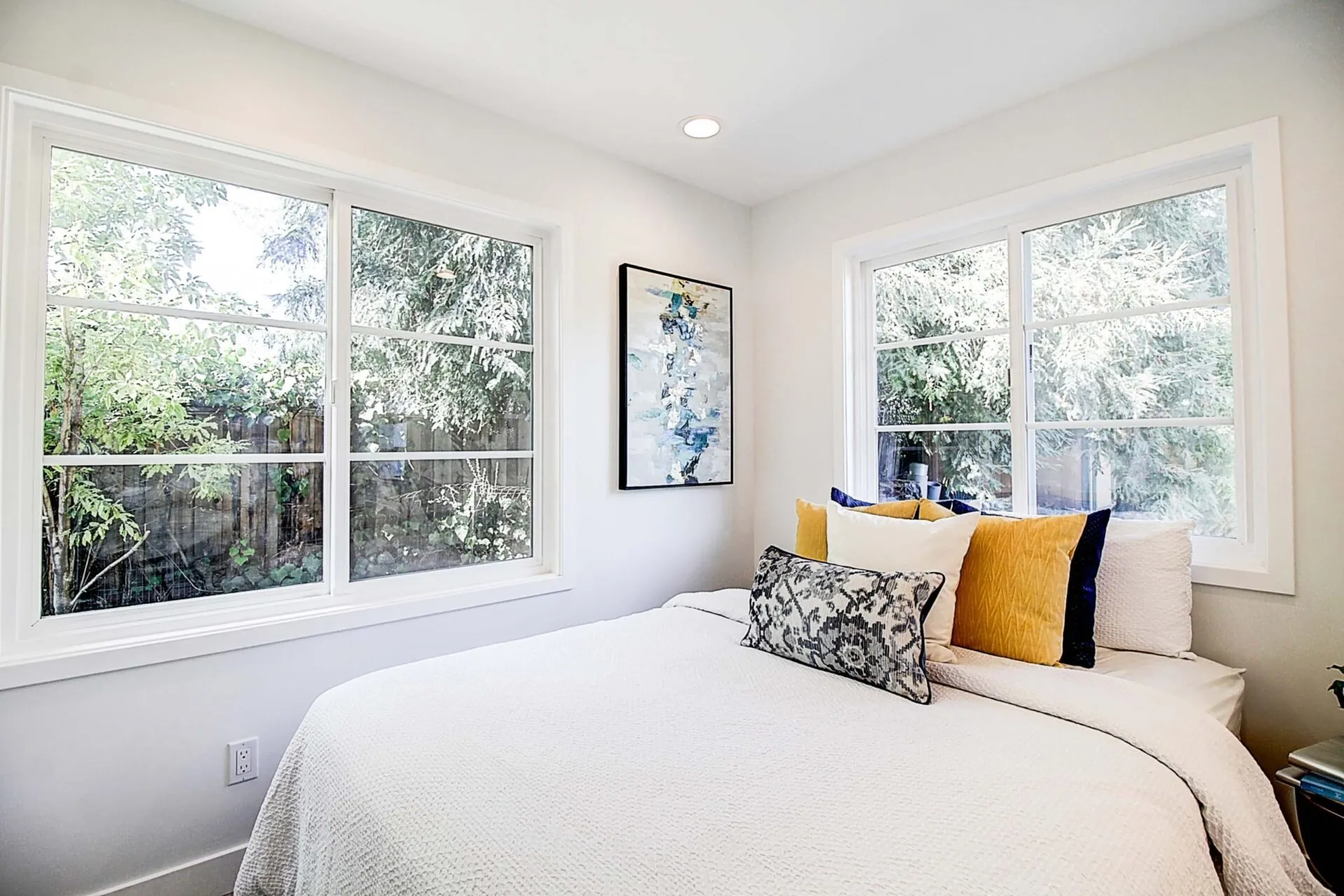
A properly designed ADU includes a private kitchen, dedicated bathroom, living area, storage space, and in-unit laundry in many cases. These features allow adult children to manage their own schedules, meals, and routines.
Clear Financial Structure
With a separate dwelling, families can structure rent in a transparent way. Whether the goal is reduced rent to help with savings or market-based rent for accountability, the arrangement becomes defined rather than informal.
This structure can also introduce responsible financial habits while creating the potential for future rental income if the ADU is later leased to tenants.
Designing an ADU for Long-Term Flexibility
One of the biggest advantages of building an ADU instead of modifying the main home is flexibility.
Built for Today, Useful for Tomorrow
An ADU that supports an adult child today can later become a rental income unit, housing for aging parents, a guest suite, a home office, or a caregiver residence.
This adaptability helps ensure the space continues to deliver value over time rather than becoming underutilized.
Durable Finishes Matter
Because ADUs often transition between uses, durable materials and thoughtful layouts reduce future maintenance costs and improve long-term value.
Durable construction and well-planned layouts help lower lifecycle costs while maintaining the quality and usability of the space for future occupants.
Privacy on Both Sides
Strategic placement on the lot, thoughtful window positioning, and sound-conscious construction ensure both the main home and ADU feel separate and comfortable.
When privacy and functionality are thoughtfully designed, the ADU becomes a flexible living environment that supports both family needs and long-term property performance.
Why Families Choose ADUs Over Home Additions
Some homeowners initially consider expanding the main house instead. While additions increase square footage, they do not create true independence.
An addition still shares walls, HVAC systems, and primary living areas. An ADU, by contrast, creates a second self-contained residence. That distinction makes a meaningful difference in day-to-day living.
For families who value long-term flexibility, privacy, and strong property value, a detached or well-planned attached ADU typically provides a better return on both lifestyle and investment.
Because an ADU functions as a fully independent residence, it can also support rental income in the future, improving the long-term financial performance of the property.
A Smarter Way to Support the Next Generation
Helping adult children transition into full independence does not require sacrificing your own comfort. With the right design and planning, an ADU allows families to remain connected while respecting boundaries.
Instead of crowding the primary home or forcing temporary solutions, homeowners can create a structured, dignified path forward. The result is healthier family dynamics, greater independence for adult children, and a property that gains long-term flexibility and value.
The result is healthier family dynamics, greater independence for adult children, and a property that gains flexibility, potential rental income, and long-term value.