.png)


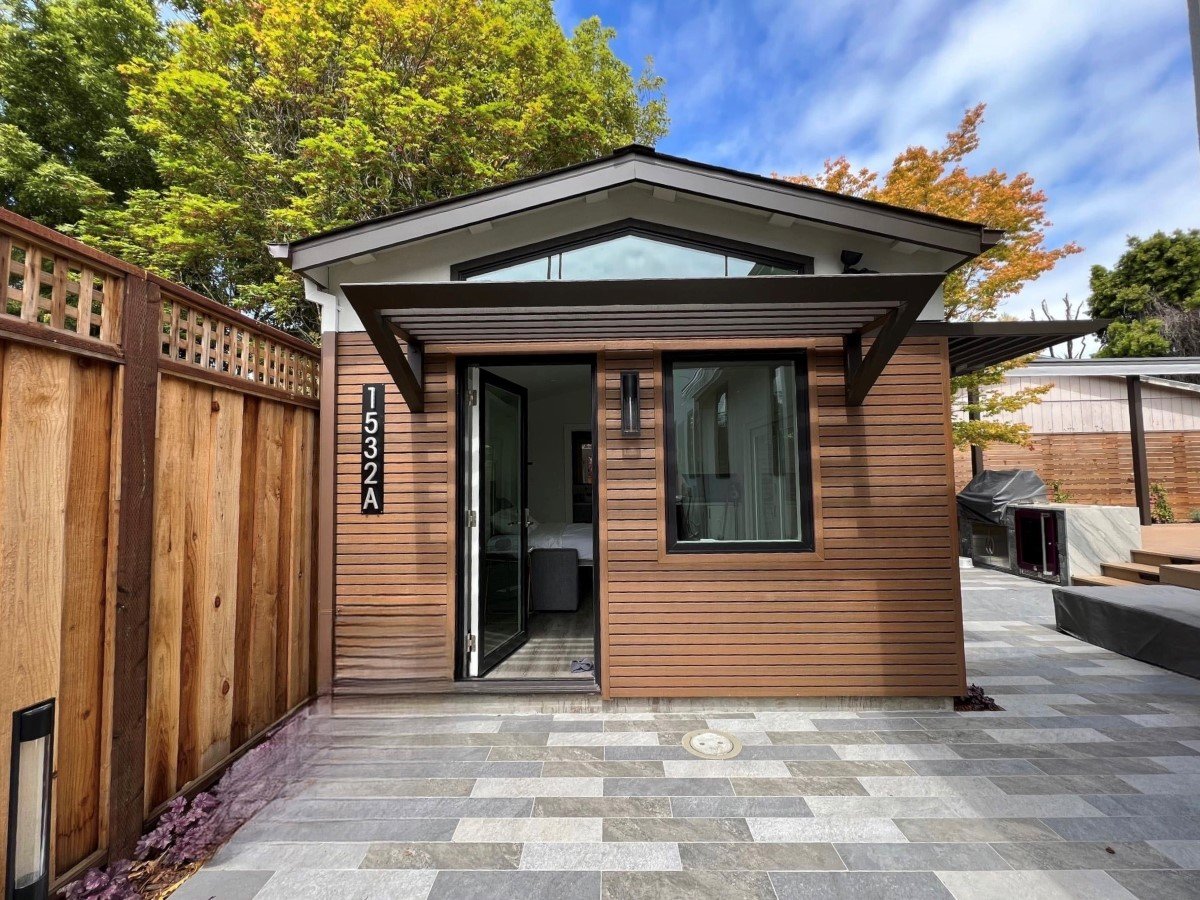
Building a new home in California in 2026 is very different from what it was even a few years ago. Regulations are more complex, energy requirements are stricter, timelines are longer, and costs are more sensitive to planning decisions made early. For homeowners considering a ground-up custom build, understanding the full landscape before purchasing a lot or hiring a builder is critical.
This guide walks through what homeowners need to know before starting a new residential construction project in California. It covers regulatory realities, realistic timelines, common mistakes, and strategic alternatives such as remodeling or building an ADU. It also explains how to design for long-term living needs and how to choose the right construction partner in a highly regulated Bay Area environment.
Navigating California's 2026 Building Regulations and Title 24
The most critical regulations homeowners must understand before building a new home in California in 2026 are energy efficiency mandates, electrification requirements, and local zoning controls.
California continues to push aggressive climate and housing policy goals, and those policies directly affect residential construction budgets and design decisions.
Key Regulatory Factors Homeowners Face in 2026
- California Building Code updates emphasizing electrification
- Title 24 energy code requirements affecting insulation, glazing, HVAC, and lighting
- Solar photovoltaic mandates for new residential construction
- Battery storage requirements tied to energy performance modeling
- Local zoning rules governing setbacks, height, and lot coverage
Title 24 is California’s energy efficiency standard, and the 2026 updates increase performance expectations for new homes. These requirements raise upfront construction costs, but they are designed to reduce long-term operating expenses and energy demand.
How Title 24 Impacts Construction Budgets
Title 24 affects budgets in several ways:
- Higher performance windows and insulation systems
- Electrified HVAC systems such as heat pumps
- Energy modeling and consultant fees during design
- Increased electrical infrastructure planning
While these requirements add cost, they also reduce energy bills over time and future-proof the home against additional regulatory changes.
Solar Panels and Battery Storage Requirements
Most new homes in California are required to include solar panels. Battery storage is increasingly required depending on the project’s energy model and local jurisdiction. While not every project mandates batteries outright, many new builds effectively require them to meet compliance targets.
This is why early engagement with an energy consultant is essential. Decisions about roof orientation, panel placement, and electrical layout affect both compliance and cost.
Local zoning laws also play a major role. Setbacks, height limits, and neighborhood overlays can impact feasibility before design even begins. This is where early feasibility analysis becomes one of the most valuable steps in the process.
New Home Timelines and Planning Pitfalls
The typical timeline from initial lot selection to final move-in for a custom home in California ranges from 18 to 30 months. In some Bay Area jurisdictions, it can extend even longer.
Understanding where delays occur helps homeowners plan realistically and avoid costly mistakes.
Typical Timeline Breakdown
- Lot selection and due diligence: 2–6 months
- Architectural design and engineering: 4–8 months
- Permitting and plan review: 6–12 months
- Construction: 8–14 months
- Final inspections and occupancy: 1–2 months
Common Planning Mistakes That Cause Delays
The biggest mistakes homeowners make include:
- Underestimating permit review timelines
- Changing designs after permit submission
- Ignoring site constraints such as slope or utilities
- Assuming estimates equal guaranteed completion dates
Late design changes often trigger re-reviews, which restart approval clocks and increase costs. Scope creep is another major issue. Small changes add up quickly and can push budgets well beyond original expectations.
Experienced builders recommend building schedule buffers into both timelines and budgets. Planning for delays does not mean expecting failure. It means protecting yourself from it.
Designing for the Long Term
Aging-in-place refers to designing a home so occupants can live safely and comfortably as their mobility and needs change over time.
In 2026, long-term thinking is no longer optional. Families are designing homes to support multiple life stages.
Key Aging-in-Place Design Features
- Zero-step entries
- Wide hallways and doorways
- Main-floor primary bedrooms
- Reinforced bathroom walls
- Flexible room layouts
Technology also plays a role. Smart lighting, security systems, and environmental controls improve safety without complicating daily life.
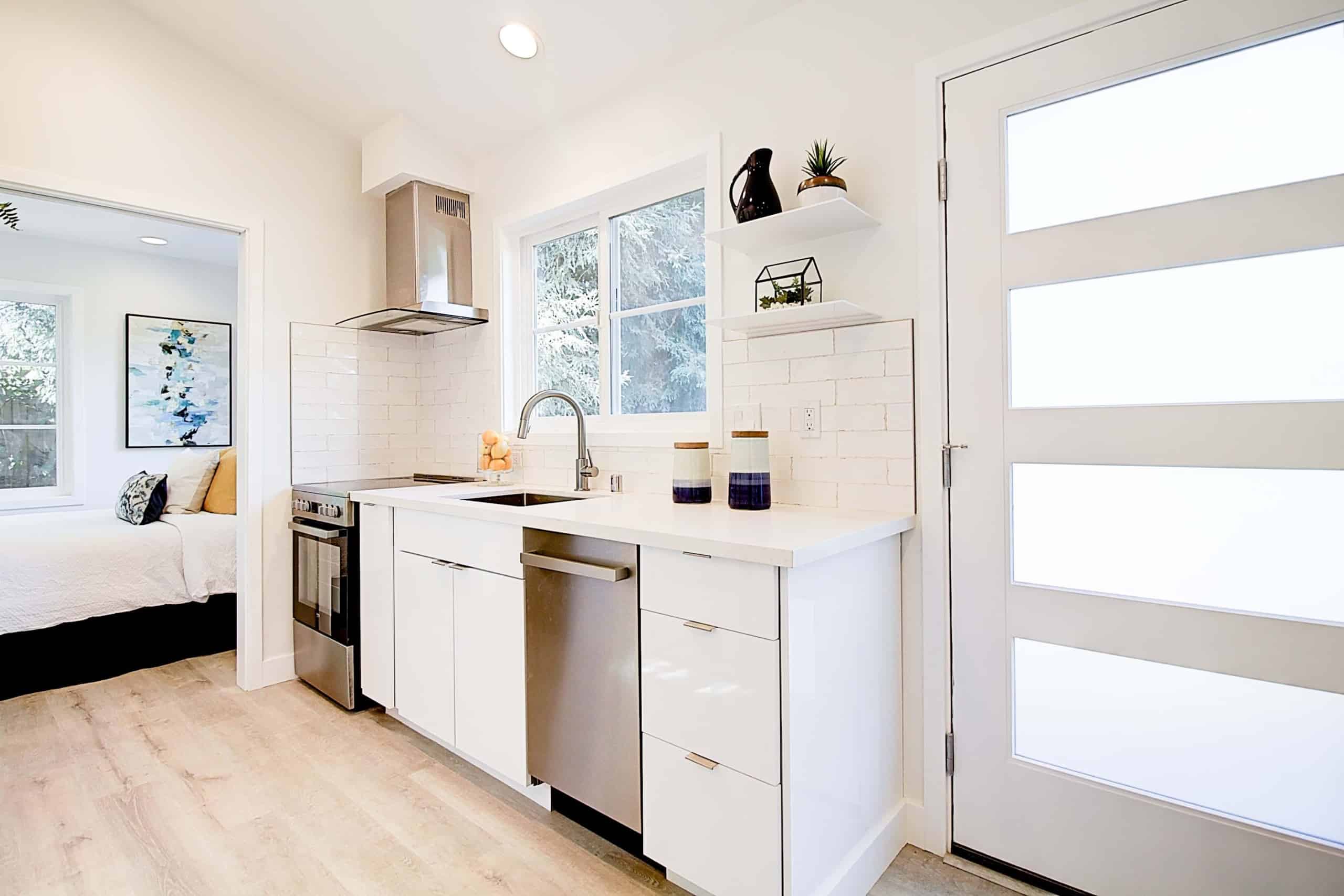
Detached units such as ADUs provide privacy while keeping family close. Many homeowners choose to design electrical and plumbing systems with future medical needs in mind, even if they are not immediately required.
Choosing the Right Partner for Bay Area Construction
The Bay Area’s regulatory environment makes builder selection one of the most critical decisions in the process.
A qualified partner does more than build. They guide homeowners through feasibility, advocate during permitting, and manage risk proactively.
Acton ADU brings over 35 years of experience navigating complex California construction regulations. Their design-build approach integrates feasibility, permitting, construction, and warranty support under one coordinated process.
Questions to Ask Before Signing a Contract
- What warranty coverage is included?
- How are change orders handled?
- Who manages permits and inspections?
- What post-construction support is provided?
Red flags include vague pricing, unrealistic timelines, and unclear responsibility for regulatory compliance.
The Final Pre-Construction Checklist
Before breaking ground, homeowners should confirm:
- Final permit approvals and conditions
- Financing structure and draw schedules
- Material selections are finalized
- Communication protocols are established
- Site preparation and utility marking are complete
Reviewing this checklist helps prevent avoidable delays and keeps construction moving smoothly.
Ready to Start With Confidence?
Building a home in California in 2026 requires clarity, patience, and expert guidance. Whether you pursue a new custom home, a remodel, or an ADU, the decisions made early will shape cost, comfort, and long-term value.
If you are ready to explore your property’s potential and discuss the smartest path forward, contact Acton ADU for a feasibility consultation and start your project with confidence.