.png)


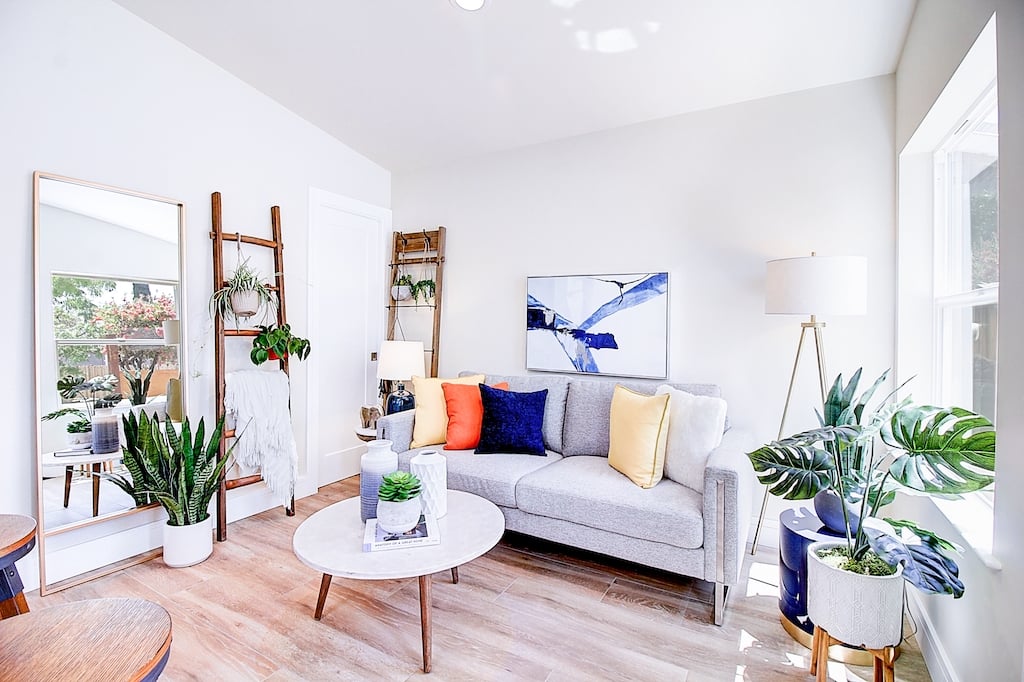
A guest house used to be something reserved for occasional visitors. It was a nice extra space for holidays, long weekends, or out-of-town relatives. Today, many San Marino homeowners are thinking bigger. They are looking at accessory dwelling units, or ADUs, as private, long-term family suites that can support parents, adult children, caregivers, or extended family.
For families who want to stay close without sharing one crowded home, an ADU can create the right balance. It offers independence, privacy, and comfort while keeping loved ones just steps away.
Why San Marino Families Are Rethinking the Guest House
In a community like San Marino, where homes and neighborhoods are deeply valued, moving is not always the preferred solution. Families may need more space, but they may not want to leave the school district, the garden they have cared for, the familiar streets, or the home where memories have been made.
That is where an ADU can become more than a guest house. It can become a flexible family suite designed around real life. Aging parents can live nearby while keeping their own routines. Adult children can have a transition space while saving for the future. Visiting relatives can stay comfortably without disrupting the main household.
The shift is simple: instead of building for occasional guests, homeowners are building for long-term family needs.
What Makes an ADU Different From a Traditional Guest House
A traditional guest house is often treated as an extra room away from the main home. An ADU is different because it is designed as a self-contained residence. In San Marino, the city defines an ADU as an attached or detached residential unit that provides complete independent living facilities, including space for living, sleeping, eating, cooking, and sanitation.
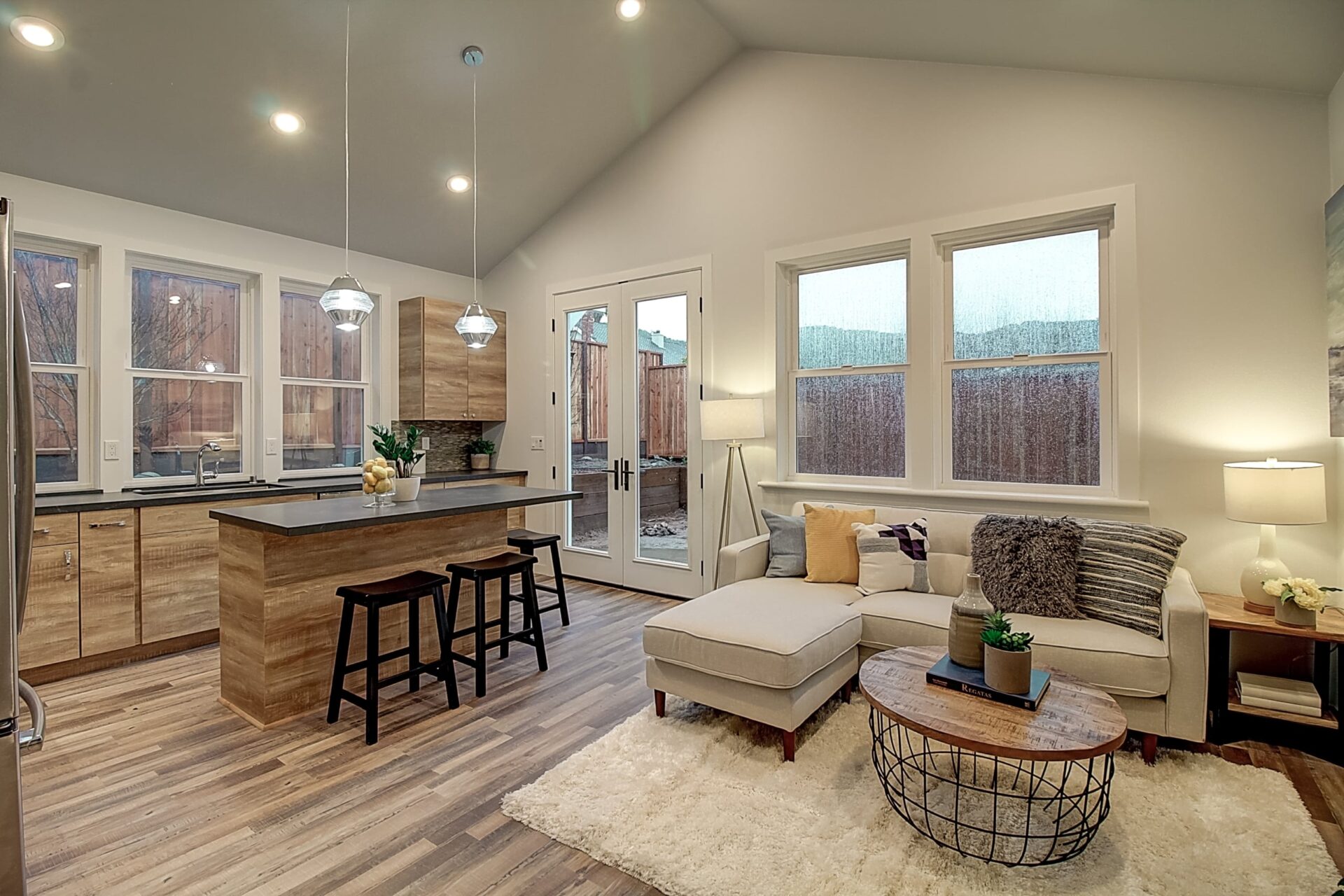
That distinction matters. A true ADU can support daily life in a way a simple guest space cannot. It can include a real kitchen, a bathroom, a private entrance, storage, laundry planning, and a floor plan designed for independence.
For families, that makes the space more useful over time. What begins as a suite for parents may later become space for an adult child, a caregiver, a long-term guest, or a quiet home office. The best ADUs are designed with flexibility in mind.
Building for Parents Without Sacrificing Privacy
One of the biggest concerns homeowners have is privacy. Families want to be close, but they do not necessarily want every meal, conversation, or routine to overlap.
A well-designed family suite solves this through layout and orientation. The ADU entrance can face a side yard, garden path, or private gate instead of the main house. Windows can be placed to bring in light without looking directly into the primary home. Landscaping, fencing, and outdoor seating areas can create a natural sense of separation.
Inside the ADU, the layout should support independence. For aging parents, that may mean a bedroom close to the bathroom, a comfortable living area, good storage, and an easy-to-use kitchen. For everyone, it means the space feels like a real home, not a converted afterthought.
Features That Make a Family Suite Work Long Term
A family-focused ADU should be comfortable today and practical years from now. Even if aging parents are active and independent, it is smart to plan for future mobility needs early.
Helpful features can include:
- A no-step or low-step entry
- Wider doorways where possible
- A walk-in or curbless shower
- Slip-resistant flooring
- Good lighting in the kitchen, bathroom, and entry
- Lever-style door handles
- Easy-reach storage
- Space for a walker or wheelchair path
- A private patio or small outdoor area
- Strong insulation and sound-conscious design
These features do not need to make the ADU feel clinical. When they are planned well, they simply make the home easier and more comfortable to use.
A Light Note on San Marino ADU Planning
San Marino does allow ADUs in areas zoned for single-family or multifamily residential dwellings when the site includes a proposed or existing primary dwelling. The city’s code also outlines options for converted ADUs, junior ADUs, and detached ADUs on single-family residential lots.
For homeowners, the main takeaway is not to start with assumptions. Lot layout, existing structures, setbacks, access, utilities, and design goals all affect what is possible. San Marino also provides ADU application information through its Planning Division, so the process should be approached with proper planning from the beginning.
Rather than trying to interpret every rule alone, homeowners are usually better served by starting with a property review. That helps determine whether a detached ADU, attached ADU, garage conversion, or other approach makes the most sense.
Why Design Quality Matters
When an ADU is being used as a family suite, quality matters more than ever. This is not a temporary shed or a weekend guest room. It is a home for someone you care about.
A well-designed ADU should feel connected to the main property while still standing on its own. The exterior should complement the primary home. The interior should make efficient use of every square foot. Natural light, storage, privacy, and accessibility should all be considered before construction begins.
This is where an experienced ADU builder can make a real difference. Acton ADU helps homeowners think through feasibility, design, permitting, construction, and long-term use so the finished home supports the family’s needs from the start.
From Extra Space to a Lasting Family Solution
San Marino homeowners are using ADUs to solve a very human problem: how to make room for loved ones without giving up privacy, comfort, or the home they already love.
A backyard family suite can give parents independence while keeping support nearby. It can give adult children a stable place to land. It can turn underused property space into a meaningful long-term asset for the whole family.
If you are thinking about turning a guest house idea into a true family suite, the first step is understanding what your property can support. Acton ADU can help you explore the possibilities and design a backyard home that is built to last for generations.