.png)


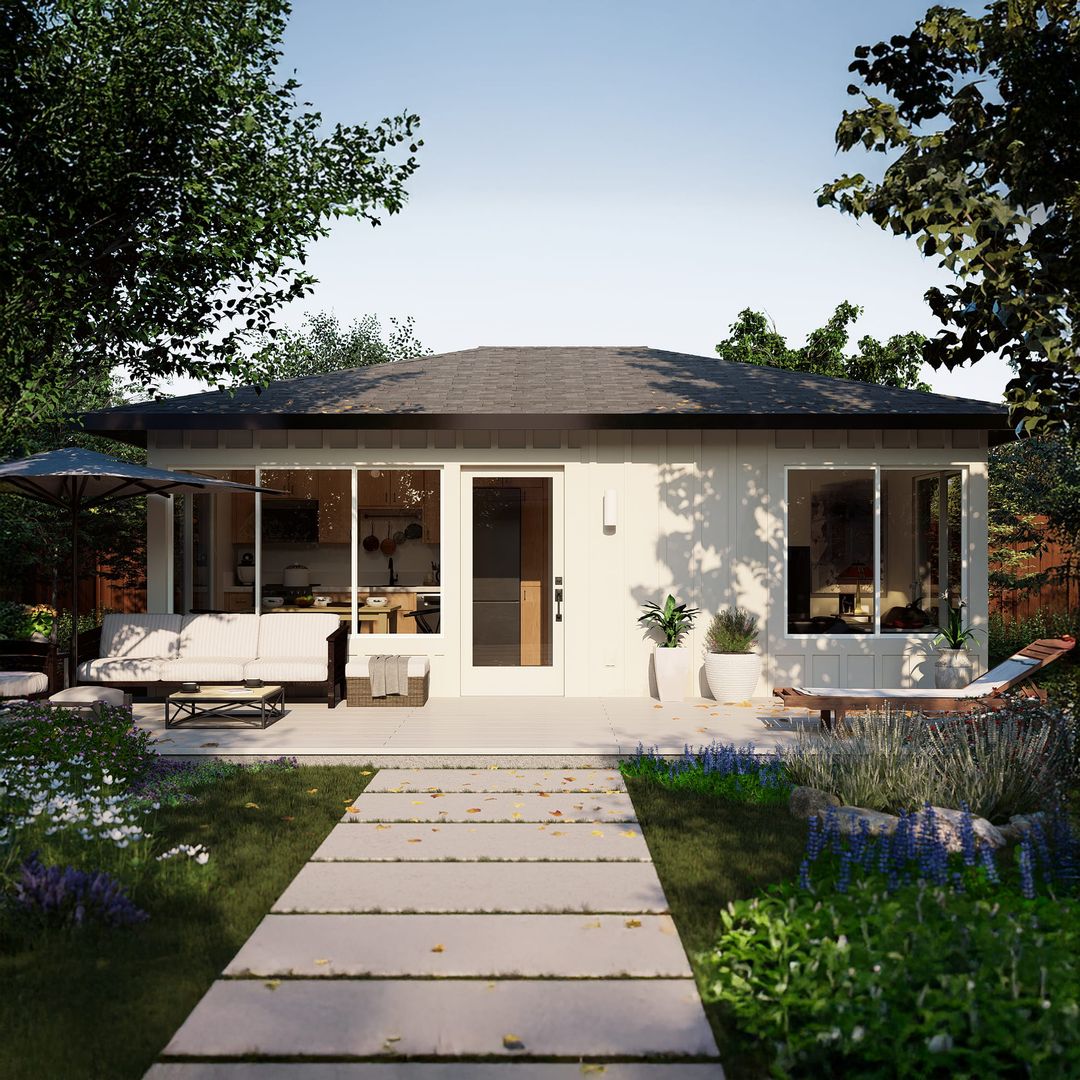
Woodside homeowners approach ADU projects differently than most. Large estate lots, mature landscapes, and high architectural expectations change the conversation from “how much space can we add” to “how do we add living space that strengthens the long-term value and usability of the property.”
A high-quality ADU on a Woodside property is not simply a secondary structure. It is an extension of the estate and an investment in the property’s long-term performance. It should feel intentional, refined, and enduring. Achieving that outcome requires thoughtful planning long before construction begins.
Why Woodside ADUs Require a Different Design Approach
Woodside properties often present both opportunity and complexity.
Larger Lots Create Bigger Possibilities
Generous lot sizes allow for larger footprints, more separation from the main residence, and stronger privacy. This opens the door to:
- One-bedroom or two-bedroom ADUs
- Dedicated living and dining areas
- Expansive outdoor connections
With this flexibility comes the responsibility to design proportionally. The ADU should feel balanced within the landscape, not oversized or out of place.
When thoughtfully designed, larger estate lots also allow ADUs to support multiple long-term uses — from family housing to high-quality rental opportunities — while maintaining privacy and comfort for everyone on the property.
Natural Setting Influences Architecture
Woodside’s wooded terrain, rolling topography, and rural character favor designs that feel grounded and organic. Clean lines, natural materials, and subdued color palettes often integrate better than highly modern or overly ornamental styles.
Architecture that respects the surrounding landscape not only improves daily livability but also helps protect long-term property value by ensuring the ADU feels cohesive with the estate.
A well-designed ADU should feel as though it has always belonged on the property.
Siting and Placement Strategy
Where the ADU sits on the lot influences privacy, views, and long-term usability.
Creating Separation Without Isolation
Ideal placement maintains visual and acoustic separation from the main home while preserving convenient access. This balance is especially important when the ADU may be used by family members, guests, or future tenants.
Proper placement also helps the ADU function independently when needed, which can improve its appeal as a rental or guest residence.
Preserving Views and Mature Trees
Woodside lots often feature established trees and hillside views. A thoughtful site plan protects these assets while positioning the ADU to take advantage of natural light and outlooks.
Early feasibility analysis is essential to avoid conflicts with setbacks, slope conditions, or protected vegetation.
Addressing these considerations early also helps reduce permitting delays and construction risks that can affect project timelines and overall investment outcomes.
Interior Design for Long-Term Livability
In a well-designed ADU, quality is less about excess and more about thoughtful design that supports comfort, durability, and everyday functionality.
Open Yet Defined Living Spaces
Well-proportioned open floor plans create a sense of spaciousness without wasting square footage. Subtle separation between kitchen, dining, and living areas improves functionality.
Layouts that feel comfortable and intuitive also tend to attract stronger tenant demand if the ADU is ever used as a rental.
High-Quality Materials
Natural stone, hardwood flooring, custom cabinetry, and solid-core doors elevate the feel of the space and support long-term durability.
Durable materials can also reduce long-term maintenance costs while maintaining the overall quality of the living space.
Thoughtful Storage
Built-in storage, pantry space, and properly sized closets prevent clutter and improve everyday livability.
These design details may seem small, but they significantly improve how the space functions over time for both homeowners and tenants.
%20(BA-2)%20(O-1)%20(L)%20Mendocino%20Coastal-min.jpg)
Designing for Multiple Future Uses
A well-designed ADU on a Woodside estate should be adaptable.
Family Use
Ideal for aging parents, adult children, or extended stays from relatives.
Guest House
A well-appointed ADU enhances the overall hosting experience without disrupting the main household.
Long-Term Rental
High-quality design and privacy allow estate ADUs to attract stable tenants and command stronger rental income when used as an income-producing space.
Designing with all three scenarios in mind helps protect the long-term value and flexibility of the property.
Construction Quality as an Investment
Design only delivers lasting value when paired with strong construction execution.
Proper waterproofing, insulation, sound control, and structural detailing are critical. These elements remain invisible once complete, but they determine comfort, maintenance costs, and longevity.
Investing in durable construction from the beginning can significantly reduce lifecycle maintenance costs and protect the long-term performance of the ADU.
On estate properties, cutting corners during construction undermines the entire investment.
The Importance of a Design-Build Team
High-quality ADUs benefit from a unified design-build approach.
When designers, engineers, and builders collaborate from the beginning, the project moves more smoothly. Budget alignment improves. Constructability issues are resolved early. The finished product more closely matches the original vision.
This integrated process also helps reduce project risk by improving coordination, minimizing costly revisions, and protecting both schedule and budget.
For Woodside homeowners, this approach supports a smoother building experience while helping ensure the ADU performs well over the long term.
A Backyard Home That Matches the Estate
A well-designed ADU should feel cohesive with the primary residence, not secondary. When executed properly, it enhances the entire property rather than reading as an add-on.
Beyond aesthetics, the right design and construction approach can also contribute to stronger property value and long-term usability of the estate.
For homeowners who expect a refined, enduring result, careful planning and experienced execution make all the difference.