.png)


Key Takeaways
- Well-designed, permitted ADUs in San Jose can generate attractive long-term ROI by combining rental income with strong property appreciation.
- Cap Rate is calculated as Net Operating Income (NOI) divided by total project cost, and builder quality directly influences both sides of that equation.
- Hidden soft costs and permitting delays are the biggest threats to investor returns.
- Turnkey ADU builders in San Jose who manage feasibility, design, permitting, and construction reduce risk and protect asset value.
- High-quality construction and durable finishes lead to higher rents, better tenants, and stronger appraisal values in Silicon Valley.
Real estate investors in San Jose are increasingly turning to accessory dwelling units (ADUs) as a way to unlock long-term, resilient rental income without the risk profile of purchasing additional standalone properties. Rising land prices, persistent housing shortages, and favorable California ADU regulations have combined to create a uniquely attractive environment for backyard rental development.
But while the opportunity is real, so are the risks. The difference between a high-performing rental asset and a frustrating capital drain often comes down to one decision: which construction company you choose for your long-term investment property.
This guide breaks down the financial realities, hidden pitfalls, and builder selection criteria that matter most, with a focus on Investor ADUs and passive income performance in San Jose and Santa Clara County.
Analyzing the Numbers: ROI and Cap Rates in the Silicon Valley Market
What is the ROI for an ADU in San Jose?
For 2026 and beyond, most market analysts project continued upward pressure on rents for small, independent housing in Silicon Valley. Conservative investor models commonly estimate stabilized returns in the 8-15% annual ROI range, depending on build cost, rent achieved, and financing structure. High-performing projects can exceed this when construction costs are tightly controlled and premium rents are achieved.
Several 2026 investment trends are driving this performance:
- Ongoing housing undersupply in San Jose
- Strong demand for one-bedroom and studio rentals
- Tenant preference for private, detached living spaces
- Continued acceptance of ADUs by lenders and appraisers
Unlike speculative flips, a San Jose ADU investment is fundamentally a cash-flow-first strategy. The goal is predictable rental income combined with long-term appreciation of a permitted, income-producing structure.
Understanding Cap Rate for ADU Rental Properties
Cap Rate, or capitalization rate, is one of the most widely used metrics for evaluating income property performance.
Cap Rate = Net Operating Income (NOI) / Total Project Cost
Where:
- Net Operating Income (NOI) = Annual Rent minus operating expenses
- Total Project Cost = Construction + soft costs + site work + permits + utility connections
ADU ROI vs. Buying a Standalone Rental Property
In Santa Clara County, acquiring a new rental property often requires seven figures of capital plus significant transaction costs. By contrast, building an ADU leverages land you already own, eliminating the largest cost component in real estate.
Key advantages of ADUs:
- Lower capital outlay
- No acquisition or brokerage fees
- Faster path to cash flow
- Increased value of the primary residence
For many investors, ADUs produce superior cash-on-cash return, which measures annual cash flow relative to actual cash invested. Savvy investors watch this metric closely because it reflects real-world performance, not theoretical appreciation.
The Appreciation Multiplier
Beyond monthly rent, adding permitted square footage in Silicon Valley typically increases overall property value. Appraisers recognize legal ADUs as contributing structures, which means:
- Higher resale value
- Improved refinancing options
- Stronger loan-to-value ratios
When construction quality is high, this appreciation effect compounds over time, strengthening both short-term cash flow and long-term wealth.
The financial case for ADUs is compelling. However, numbers only work if execution is disciplined. That brings us to the risks that quietly erode otherwise solid projections.
The Hidden Risks: Soft Costs and Permitting Hurdles
Most investors understand construction costs. Far fewer fully account for ADU construction soft costs, which often determine whether a project stays on budget or spirals.
What Are Soft Costs?
Soft costs are non-construction expenses required to move a project from concept to completion:
- Architectural and design fees
- Structural engineering
- Title 24 energy compliance
- Soil and geotechnical reports
- City permit and plan check fees
- School district and development impact fees
In San Jose, investors frequently underestimate soft costs by 20-30% when working with inexperienced builders or incomplete estimates.
Why Soft Costs Get Underestimated
Low-bid contractors often present attractive construction numbers but omit or vaguely describe pre-construction expenses. These costs eventually surface as change orders, eroding ROI.
Proper budgeting means requesting a fully loaded project estimate that includes both hard and soft costs from the start.
Permitting Bottlenecks in San Jose
The San Jose Planning Department processes thousands of ADU applications annually. Common delay points include:
- Incomplete submittals
- Zoning misinterpretation
- Utility connection reviews
- Fire access requirements
Each delay pushes back the moment you can legally rent the unit.
The Role of Feasibility Studies
A professional feasibility study evaluates zoning, setbacks, lot coverage, utilities, and access before design begins. This step:
- Confirms what is legally buildable
- Identifies potential obstacles early
- Prevents wasted design spend
Experienced turnkey ADU builders in San Jose integrate feasibility into their process, reducing both cost risk and timeline uncertainty.
Once investors understand where projects go wrong, the next step is learning how to identify builders who prevent these problems rather than create them.
Vetting Partners: Avoiding Red Flags and Protecting Asset Value
Choosing the right construction partner is not about finding the lowest price. It is about protecting long-term asset performance.
Red Flag #1: Quotes Far Below Market
Significantly cheaper bids often exclude:
- Site preparation
- Utility trenching
- Upgraded electrical panels
- Permit fees
These omissions become expensive change orders later.
Red Flag #2: No San Jose ADU Track Record
San Jose ADU ordinances differ from neighboring cities. Builders without local experience frequently misjudge:
- Setback rules
- Height limits
- Fire separation requirements
Local expertise shortens timelines and prevents redesigns.
Builder Quality and Appraisal Value
Appraisers notice:
- Finish quality
- Layout efficiency
- Material durability
High-end finishes and thoughtful design increase perceived value, which strengthens refinance and resale outcomes.
Build It Once, Build It Right
Rental properties endure heavier wear than owner-occupied homes. Durable materials, solid framing, and proper waterproofing reduce:
- Maintenance costs
- Vacancy due to repairs
- Tenant turnover
Cheap construction lowers upfront cost but raises lifetime expense.
Low Bid vs. High Quality Builder
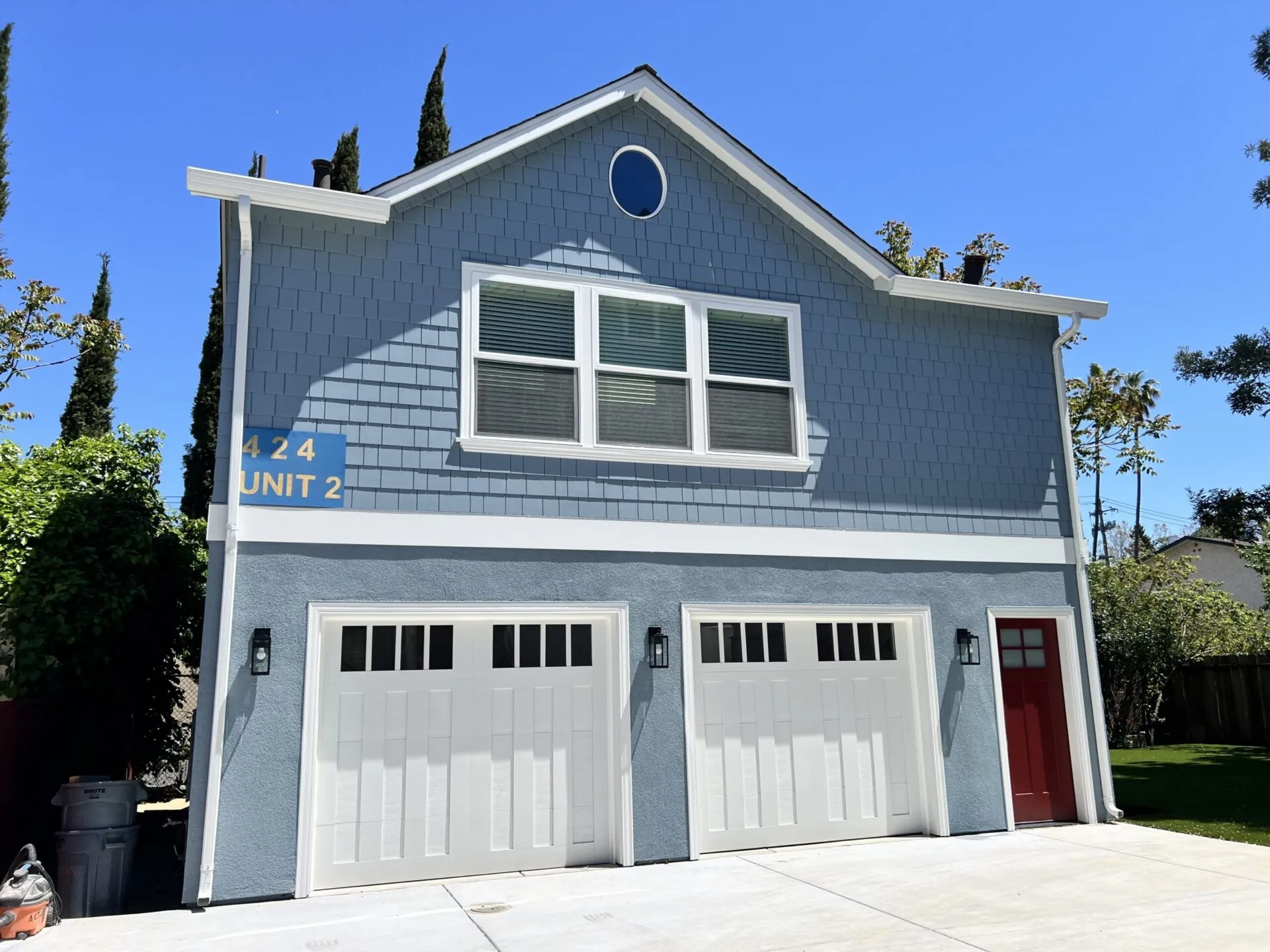
The Acton ADU Difference: A Hands-Off Solution for Investors
Acton ADU positions itself as a premium turnkey ADU builder in San Jose focused on long-term performance rather than short-term shortcuts.
Full-Service Project Management
Acton ADU manages the entire lifecycle:
- Feasibility analysis
- Design and engineering
- Permitting and city coordination
- Construction and inspections
- Warranty and post-build support
Investors benefit from a single point of accountability.
Learn more about Acton’s feasibility process and view completed projects on the Our Work page.
Heavy Lifting With Authorities
Acton ADU coordinates directly with:
- City planners
- Inspectors
- Utility providers
This reduces investor involvement while accelerating approvals.
Why High-End Builds Make Financial Sense
High-quality ADUs:
- Command higher rents
- Attract stable tenants
- Experience fewer maintenance issues
These factors increase NOI, which directly improves Cap Rate.
Experience That Reduces Risk
With 35+ years in residential construction, Acton ADU has refined systems that prevent common investor pain points:
- Missed scope items
- Communication breakdowns
- Budget surprises
Warranty and Long-Term Durability
A rental asset should perform for decades. Warranty-backed construction and proven methods protect passive income streams long after completion.
For investors building high-end rental properties, the question becomes less about initial price and more about risk-adjusted return.
Closing the Deal: Your Final Construction Contract Checklist
Before signing an ADU construction contract in San Jose, verify the following:
- Detailed scope of work with materials specified
- Clear distinction between allowances and fixed costs
- Payment schedule tied to milestones, not calendar dates
- Defined change order process
- Proof of California licensure and insurance
- Permit responsibility clearly assigned
- Construction timeline with phases
- Written warranty terms
A thorough contract protects both capital and peace of mind.
Ready to build a high-performing rental asset?
Schedule a free site feasibility consultation with Acton ADU to get accurate numbers for your investment property and determine whether an ADU makes sense for your long-term strategy.