.png)


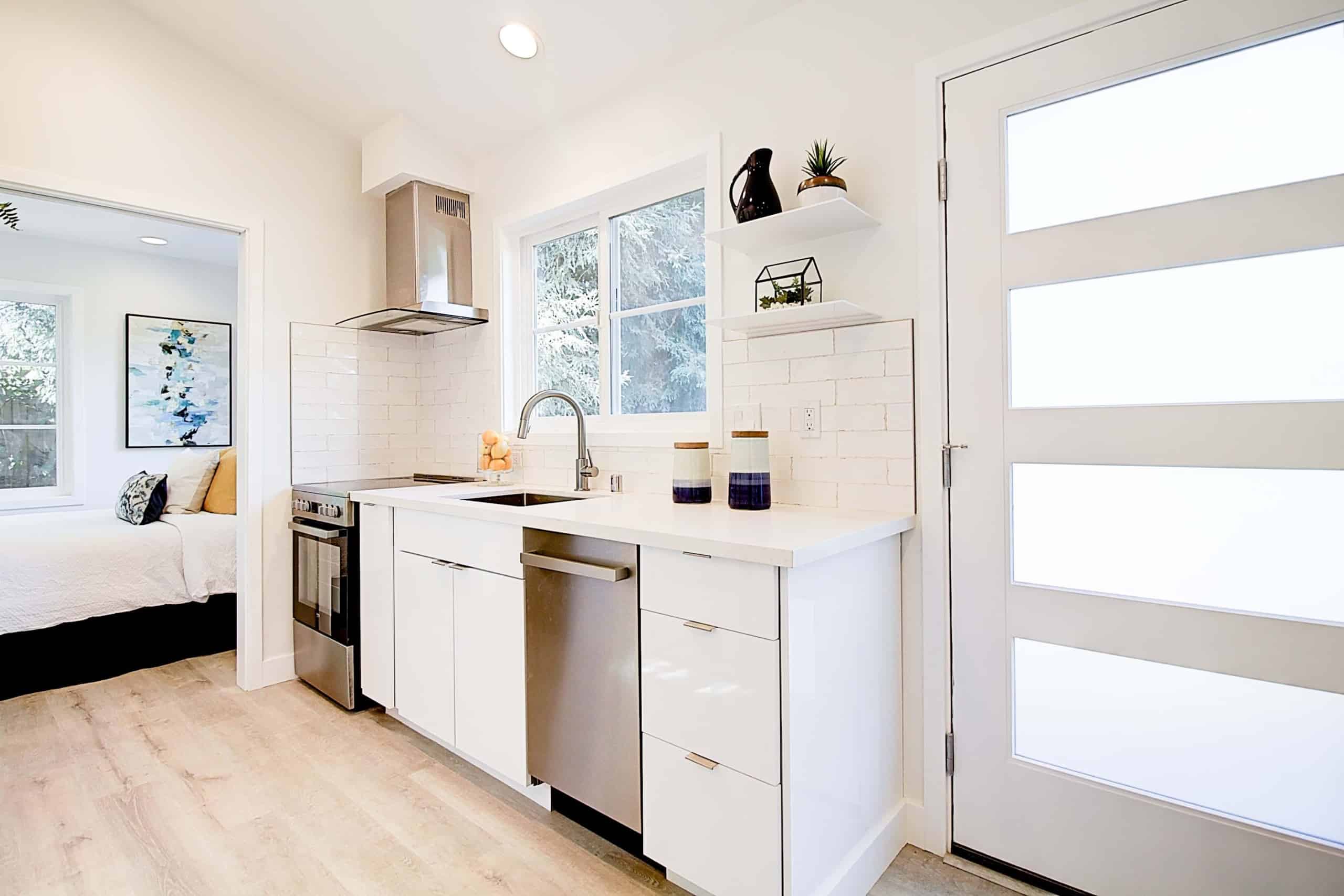
Accessory Dwelling Units continue to reshape how Bay Area homeowners add space, flexibility, and long-term value to their properties. If you live in Danville and are considering building in 2026, understanding local ADU regulations is the first and most important step.
While California state law has made ADUs significantly easier to build, each city still applies its own development standards. Knowing what is allowed in Danville before you design or budget your project will help you avoid delays, redesigns, and unnecessary costs.
Why Danville ADU Regulations Matter in 2026
Danville remains one of the most desirable residential communities in Contra Costa County. Larger lots, established neighborhoods, and strong home values make ADUs especially attractive here.
Homeowners are building ADUs in Danville for several reasons:
- Multigenerational living
- Housing for aging parents
- Space for adult children
- Rental income
- Long-term planning and flexibility
Because Danville properties often have generous lot sizes, many homeowners assume they can build “whatever fits.” In reality, development standards still apply. Understanding these early ensures your ADU design is both compliant and optimized for long-term value.
What Types of ADUs Can You Build in Danville?
Under current California law and local Danville standards, homeowners can typically build:
1. Detached ADUs
A standalone structure in the backyard.
This is the most common and often the most valuable option for privacy and rental appeal.
2. Attached ADUs
An addition connected to the main home.
This option may be ideal if yard space is limited or if you want interior access.
3. Converted ADUs
Converted space within an existing structure such as:
- Garage conversions
- Basement conversions
- Portions of the primary residence
4. Junior ADUs (JADUs)
Smaller units created within the existing home footprint, typically up to 500 square feet.
Each type comes with slightly different development standards, so your strategy should align with your long-term goals.
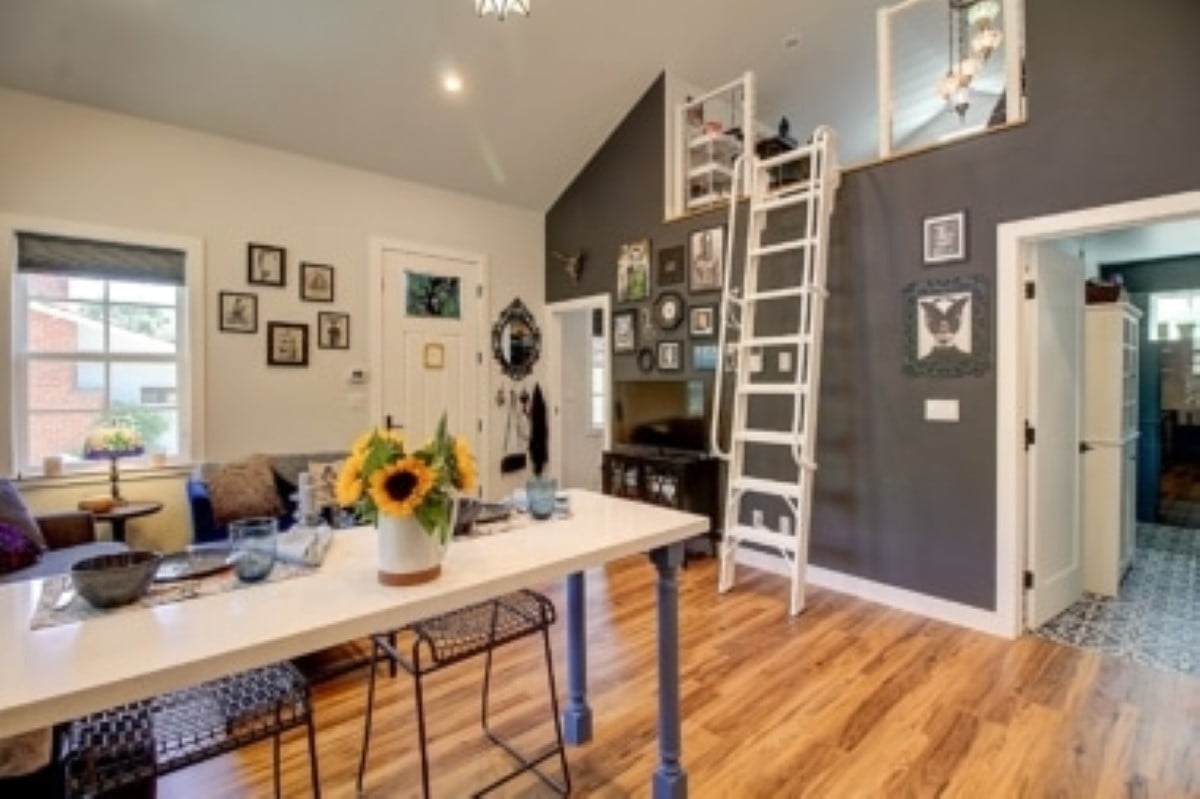
ADU Development Standards in Danville
While regulations can evolve, here are the general categories homeowners must account for:
Size Limits
- Detached ADUs are commonly allowed up to 800 square feet by right, regardless of lot size.
- Larger units may be permitted depending on zoning and lot coverage limits.
- Attached ADUs are typically limited to a percentage of the primary dwelling size, often up to 50 percent.
For higher-value neighborhoods in Danville, larger detached ADUs often make financial sense due to stronger rental and resale potential.
Setbacks
- Side and rear setbacks are often reduced to 4 feet for detached ADUs.
- Front setbacks must still meet primary zoning requirements.
Setback flexibility under state law has made backyard placements significantly easier, but lot shape and topography still matter.
Height Restrictions
- Single-story detached ADUs are most common.
- Two-story ADUs may be possible depending on zoning and neighborhood context.
Parking Requirements
In many cases, Danville cannot require replacement parking for garage conversions.
Detached ADUs may not require additional parking if located near transit or if state exemptions apply.
Utility and Infrastructure Considerations
Beyond zoning, infrastructure plays a major role in feasibility.
Sewer and Water Connections
Danville may require new or upgraded connections depending on the project type. Larger detached ADUs sometimes trigger additional review.
Electrical Capacity
Many older homes require panel upgrades to accommodate a new unit. This is a common cost factor that should be budgeted early.
Fire Access
For hillside or deeper lots, fire department access can influence placement and driveway width.
A professional feasibility review evaluates these variables before design begins. Skipping this step often leads to costly mid-project changes.
What Homeowners in Danville Commonly Overlook
Even in 2026, there are recurring blind spots:
- Assuming HOA rules do not apply
- Underestimating grading costs on sloped lots
- Ignoring tree protection requirements
- Overbuilding beyond what rental demand supports
Danville’s premium neighborhoods support high-quality ADUs, but the design must match both regulatory standards and long-term use.
Rental Income and Long-Term Value in Danville
Many Danville homeowners explore ADUs for rental income or investment purposes.
Detached, well-designed ADUs in high-demand East Bay markets often command strong rents, especially when they offer:
- Private entrances
- Full kitchens
- In-unit laundry
- Dedicated outdoor space
Quality matters in this market. Higher-end finishes and durable construction not only attract better tenants but also strengthen long-term appraisal value.
If your goal is passive income, building to a higher standard typically produces better results over time.
The Importance of Feasibility Before Design
Before committing to architectural drawings, a feasibility study answers critical questions:
- Is your lot fully compliant?
- What size ADU is realistically buildable?
- Are there slope, drainage, or tree constraints?
- What is the estimated all-in cost?
At Acton ADU, feasibility is the first step in the process. The team reviews zoning, setbacks, utilities, and site conditions so homeowners understand exactly what is possible before moving forward.
This reduces uncertainty and protects both timeline and budget.
Custom vs. Build-Ready ADUs in Danville
Danville homeowners typically fall into one of two categories:
Custom ADU Clients
Ideal for:
- Unique lot shapes
- Hillside conditions
- Luxury-level finish expectations
- Larger detached units
Build-Ready ADU Clients
Ideal for:
- Streamlined permitting
- Predictable pricing
- Faster timelines
- Proven floor plans optimized for functionality
Choosing between custom and build-ready depends on your property, goals, and timeline.
How Regulations Impact Timeline
Permitting timelines in Danville can vary based on:
- Completeness of plan submission
- Structural engineering requirements
- Fire department review
- Public works review
Incomplete or poorly coordinated submissions create resubmittals that delay approvals.
Working with a team experienced in navigating Bay Area jurisdictions significantly reduces friction during this stage.
2026 Outlook for ADUs in Danville
State law continues to encourage ADU development, and local jurisdictions are adapting to streamline review processes.
For homeowners in Danville, this means:
- Continued regulatory clarity
- Strong resale support for permitted ADUs
- Ongoing rental demand
The window for building high-quality, well-positioned ADUs remains strong, especially for those planning for multigenerational living or long-term flexibility.
Thinking About Building in Danville?
Understanding what you can build is the foundation of a successful ADU project.
If you are exploring an ADU in Danville in 2026, the smartest first step is a professional feasibility review. It gives you clarity on:
- Size
- Placement
- Budget range
- Timeline expectations
Ready to explore your options?
Schedule a free feasibility consultation with Acton ADU and find out what is possible on your property.